
The Amritsar phulkari designer and the trademark passing-off complaint
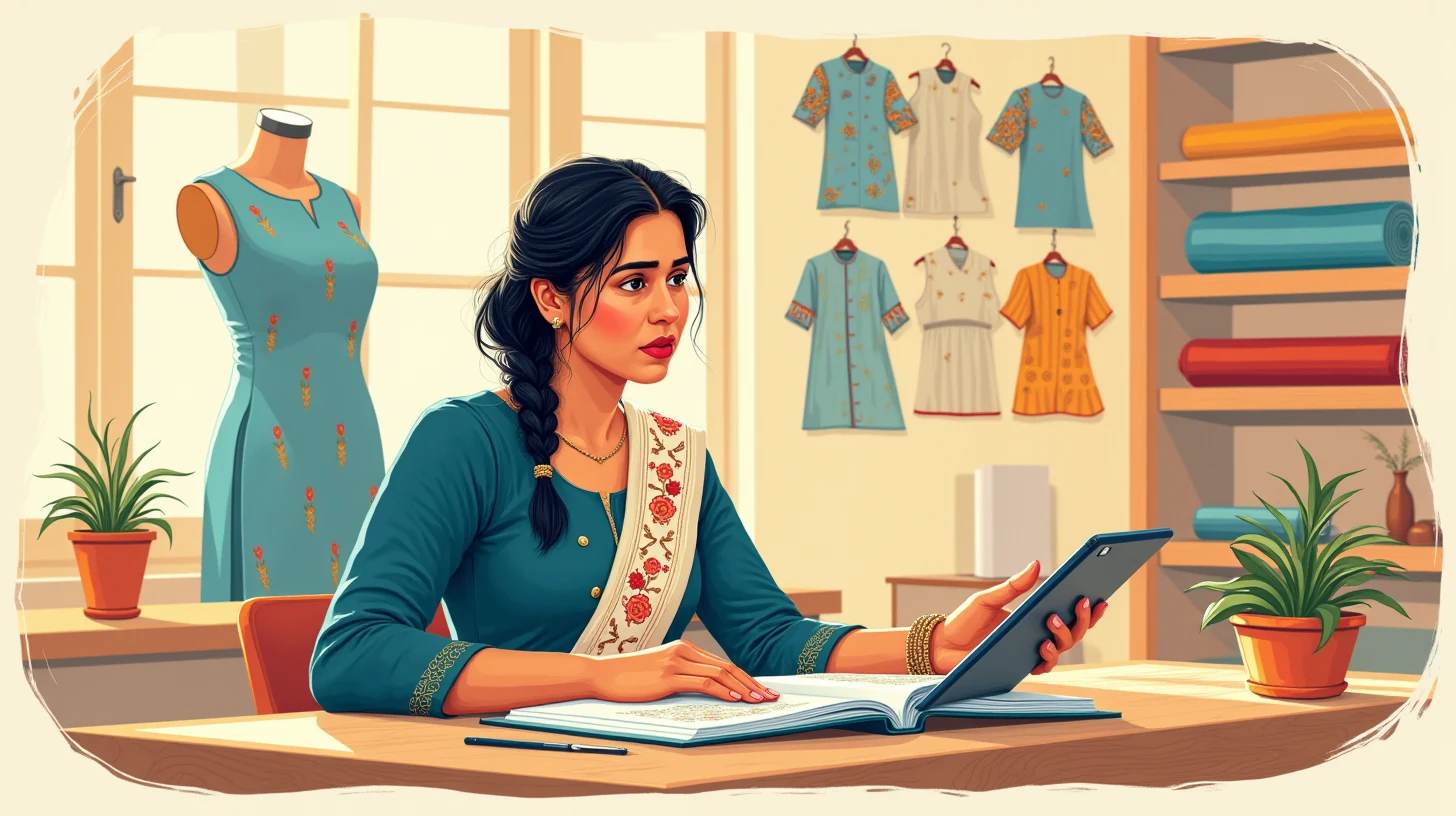
Manpreet Kaur Sandhu's studio on Lawrence Road—the one with tall windows facing the old Cantonment side—had been humming steadily for three years. Every morning she arrived around 7 a.m., switched on the draft lights, unrolled the day's cotton bolts, and began pencilling phulkari sketches into her design software, sometimes by hand on graph paper first. The work was intricate: traditional Punjabi geometric florals—diamond shapes, star clusters, leaf motifs in saffron and deep indigo—adapted for modern dupattas, kurtas, and salwar suits ready for wedding season. She'd been 35 for the last six months, had two full-time embroidery contractors in the neighbourhood, and by late March 2026, she'd built "Phulkari & Co." into a brand recognizable enough that brides in three states ordered directly from her Instagram.
The trademark certificate—dated January 2022, Class 25, apparel—sat in a framed certificate on her studio wall, next to the TAN and GST registration. It had cost her ₹18,000 and two months of back-and-forth with the IP India Trademark Registry office in New Delhi. She'd chosen the mark carefully: a stylized peacock in the letter P, a nod to Punjabi wedding tradition, with the words "Phulkari & Co." in Gurmukhi script below. The packaging was equally distinctive: cream-coloured kraft boxes with the same peacock emblem, a hand-stamped Gurmukhi blessing inside, and a tissue-paper wrap in phulkari weave.
In the last week of April, one of her wholesale buyers sent her a screenshot from Instagram: a new account, @PhulkariCouture, was selling kurtas. The aesthetic was unmistakable. Same kraft packaging. Same peacock logo. Nearly identical captions about "authentic Punjabi phulkari design" and "wedding-season exclusives." The Instagram bio linked to a WhatsApp number with a Ludhiana area code.
Manpreet called her brother-in-law, a lawyer in Chandigarh. He confirmed what she feared: this was trademark infringement, or "passing-off" in legal terms—a competitor using her brand identity to pass their goods off as her own. His quote came back two days later: ₹1.4 lakh to file a civil suit for passing-off and damages in the Punjab District & Sessions Court, plus court fees and two years of litigation. Manpreet had the money, but she did not have the certainty, or the appetite for a drawn-out fight.
She opened her phone and asked the agent.
🗓️ The annual rhythm of a phulkari designer's name
Manpreet's business ran on the calendar of Punjabi weddings and fashion. Spring and early summer meant a surge in orders—dupattas for mehendi and sangeet, kurtas for receptions. By July, demand flattened until autumn, when the next wedding season began. Her brand had become a selling point: "Designed by Manpreet Kaur Sandhu, Amritsar" appeared on every garment tag and in her social-media bio. The brand was also her livelihood. She didn't own a factory; she worked directly with brides and boutiques, and her reputation—her name, her peacock logo, her Gurmukhi stamp—was the only collateral she had.
Trademark infringement in the fashion industry usually goes unnoticed. A small boutique copies packaging, reuses photography, borrows Instagram captions. Unless a brand has a lawyer on retainer, the copying continues. For designers like Manpreet, who worked solo with contractors and operated on thin margins, hiring a trademark attorney meant ₹1.4 lakh upfront and years of uncertainty. Many designers simply accepted the theft as a cost of doing business and moved on to a new logo, a new name.
But the Trade Marks Act of 1999 had a quieter provision, tucked into Section 142, that offered a different path: a criminal complaint mechanism that could be filed directly by the trademark owner at the District Court, without a lawyer, without a civil suit. The filing fee was minimal—under ₹1,000—and the process was designed for exactly this scenario: stopping a clear, willful infringement quickly. Manpreet did not know this path existed.
⚠️ The waiting list that never closes
By early May, Manpreet had made a decision: she would hire the Chandigarh lawyer, transfer him ₹1.4 lakh, and file the civil suit. It would take months, maybe years, but it was the "proper" way. Meanwhile, @PhulkariCouture's followers were growing. Manpreet's original designs—her sketches, her photography, her phulkari panels—were being sold under a competitor's Instagram handle. Some of the orders were even being fulfilled with lower-quality embroidery, which would damage her own reputation when customers compared the two brands.
The day before she wired the money, a designer friend from her Udyam-registration cohort—she was registered with MSME as of March 2024—messaged her in a Telegram group: "Don't hire a lawyer yet. There's a fast track for this. My cousin used it." The cousin turned out to be a graphic designer in Jalandhar who'd filed a Section 142 criminal complaint six months earlier against a t-shirt printer copying her logo. The complaint had been filed on a single form, in person, at the Jalandhar District Courts. The printer had stopped within weeks of the court issuing a notice.
Manpreet asked where to file. Her friend said: Amritsar District Courts complex, same building where marriage registrations happen.
🌗 The agent arrives via a colleague's whisper
She opened the agent on her phone and typed a question in Punjabi: "ਕੀ ਮੈਨੂੰ ਆਪਣਾ ਟ੍ਰੇਡਮਾਰਕ ਕੇਸ ਚਲਾਉਣ ਲਈ ਵਕੀਲ ਦੀ ਲੋੜ ਹੈ, ਜਾਂ ਮੈਂ ਪੋਲਿਸ ਕਾਂਪਲੇਂਟ ਭਰ ਸਕਦੀ ਆਂ?" (Do I need a lawyer to pursue my trademark case, or can I file a police complaint myself?)
The agent surfaced the Trade Marks Act 1999, Section 142, and explained what it offered: a direct complaint mechanism that bypassed lawyers entirely. The form was CGI-139 (Complaint before District Courts), available at the Amritsar District Courts complex. The filing fee was ₹500 to ₹1,500 depending on the amount of claimed damages. The time to first hearing was typically four to six weeks.
"ਤੁਸੀਂ Section 142 Trade Marks Act ਅਤੇ IP India Trademark Registry ਤੇ CGI-139 ਫਾਰਮ ਲੱਭ ਸਕਦੀ ਓ। ਆਪਣੀ ਟ੍ਰੇਡਮਾਰਕ ਸਰਟੀਫਿਕੇਟ, ਇਨਸਟਾਗ੍ਰਾਮ ਸਕ੍ਰੀਨਸ਼ਾਟ, ਅਤੇ ਫੋਟੋ ਸਬੂਤ ਜਮਾ ਕਰੋ। ਐਡਵੋਕੇਟ ਦੀ ਲੋੜ ਨਹੀਂ। ਵਕੀਲ ਲਈ ਸਿਰਫ ਮੇਹੰਗਾ ਸਿਵਲ ਸੂਟ ਦੀ ਲਜ਼ੂਰੀ ਹੈ।"
(You can find the CGI-139 form on the IP India website and through the Amritsar District Courts office. Submit your trademark certificate, Instagram screenshots, and photographic evidence. No advocate required. A lawyer is a luxury option only for the civil suit.)
Manpreet sat with this for an hour. She re-read the explanation three times. The criminal complaint route was not a fight—it was a deterrent. The moment the District Court issued a notice to the Ludhiana boutique, @PhulkariCouture would likely fold. The cost would be ₹750 for the form filing, plus ₹350 for photocopies and courier, versus ₹1.4 lakh for a lawyer. The time would be six weeks versus two years.
Civil Suit (passing-off)
₹1.4 lakh + court feesHire a trademark lawyer to file a suit in District & Sessions Court. Seek damages and an injunction. Timeline: 18–24 months. Full legal representation required. Only viable if you want damages, not just to stop the infringement.
Section 142 Criminal Complaint
₹750–₹1,500 totalFile CGI-139 form directly at District Courts. No lawyer needed. Court issues notice to the infringer. Timeline: 4–6 weeks to first hearing. Goal: stop the infringement immediately. No damages claim, but fast and low-cost.
IP India Administrative Complaint
FreeLodge a complaint with IP India's Trademark Registry and request cancellation or rectification of the competitor's application—if they've filed one. No legal fee. But slower (6–12 months) and only works if the infringer has registered a mark.
Manpreet's priority was not damages; it was stopping the copying. The Section 142 route was the fit.
🧭 Why trademark infringement slips through for small designers
The Indian design economy is crowded with solo practitioners and small studios. A survey of Udyam-registered fashion businesses in 2024 found that fewer than 8% of them held active trademark registrations. The cost and complexity of enforcing a trademark—the assumption that you needed a lawyer, the belief that courts were too slow—kept most designers from protecting their brands.
What the brief entry on Section 142 in the Trade Marks Act 1999 revealed was a deliberate asymmetry in Indian intellectual property law. Civil suits for trademark infringement were built for corporations and wealthy brands. Criminal complaints under Section 142 were built for individual designers and small businesses who could not afford years of litigation. The rule allowed a trademark owner to walk into a District Court and file a complaint directly, with no advocate, no retainer, no retainer agreement. The court would issue a notice to the infringer ordering them to stop. If they didn't, the case could escalate to criminal prosecution.
But this path remained almost invisible in design and handloom communities. Most designers had never heard of Section 142. Most lawyers did not volunteer this option—they preferred the ₹1.4-lakh civil retainer. The result was that dozens of Manpreets across India simply accepted the infringement, changed their brand name, and started over.
What it does
- 🔍Verifies your trademark certificate against the competitor's Instagram and packaging to confirm infringement.
- 📑Explains Section 142 and the CGI-139 form process, step by step.
- 🗂️Helps you organize evidence (screenshots, photos, your registration certificate) for the court filing.
What it does not do
- ⚖️Does not appear in court or represent you; you file the complaint yourself or hire an advocate to file it.
- 💳Does not pay any fees on your behalf; you submit the form and fees directly to the District Courts.
- 🤝Does not negotiate with the competitor or decide whether to pursue damages; that remains your choice.
Manpreet's case was textbook. She had a valid trademark (registered, Class 25, January 2022). She had clear evidence of infringement (Instagram screenshots showing identical packaging, logo, and captions). The competitor was in a different state (Ludhiana), which meant jurisdiction fell to the Punjab High Court region. And her goal was not financial recovery—it was immediate cessation. Section 142 was designed for her.
🌱 The quiet close
Manpreet did not hire the Chandigarh lawyer. Instead, on May 12, she gathered her evidence—the trademark certificate, twelve screenshots of @PhulkariCouture's posts, photographs of her own packaging and designs, her GST registration, and her Udyam certificate—and drove to the Amritsar District Courts complex on Akal Takht Road. She brought the agent with her on her phone, a calm voice reminding her of the form number (CGI-139) and what evidence to ask for.
The filing clerk asked for the CGI-139 form, her trademark registration number, and a list of claims. Manpreet spent twenty minutes filling it in, describing the infringement in plain language: the competitor's use of the same peacock logo, the identical kraft packaging, the nearly identical captions. The filing fee came to ₹1,100. She paid it, received a receipt, and the case was logged.
"ਮੈਂ ਸੋਚਦੀ ਸੀ ਕਾਨੂੰਨ ਸਿਰਫ ਉਨ੍ਹਾਂ ਲਈ ਹੈ ਜਿਨ੍ਹਾਂ ਕੋਲ ਵਕੀਲ ਹੈ। ਪਰ ਕਾਨੂੰਨ ਤਾਂ ਉੱਥੇ ਸੀ — ਮੈਨੂੰ ਬੱਸ ਦੱਸਿਆ ਨਹੀਂ ਗਿਆ।"— I used to think the law was only for people who could hire a lawyer. But the law was already there — I just hadn't been told.
Three weeks later, the District Court issued a notice. Two days after that, @PhulkariCouture's Instagram account went silent. The Ludhiana boutique owner, having received the court notice, took down the account. Manpreet did not pursue damages. The infringement had stopped. The cost had been ₹1,100.
What she had learned—what the agent had helped her see—was that the law existed not to punish designers for their small size, but to protect them if they knew where to look. The criminal complaint route, Section 142, was built for exactly her moment: a young designer, a clear theft of her brand, a court system that could move in weeks, not years. The expensive civil suit had its place, but only if damages mattered. For stopping a thief, the fastest path was often the right one.
She returned to her studio on Lawrence Road, removed the quote from the Chandigarh lawyer from her inbox, and opened her design software. She had dupattas to finish for the coming wedding season, and her brand—her name, her peacock, her Gurmukhi blessing—was hers again.