
The Bathinda oncologist and the Malwa cancer belt
Dr. Harpal Kaur is forty-four years old. She has been an oncologist for nineteen years—twelve at PGIMER Chandigarh, the dominant tertiary referral for all Punjab specialists, and seven at AIIMS Bathinda since it opened in 2019. Her office is a five-minute walk from the oncology wards, past the pharmacy and radiology, on the second floor of the cancer center. The window faces the Malwa agricultural plain: wheat in winter, cotton in summer, and year-round, the skeletal frames of irrigation pumps that have been pulling pesticide-soaked groundwater into the soil for four decades.
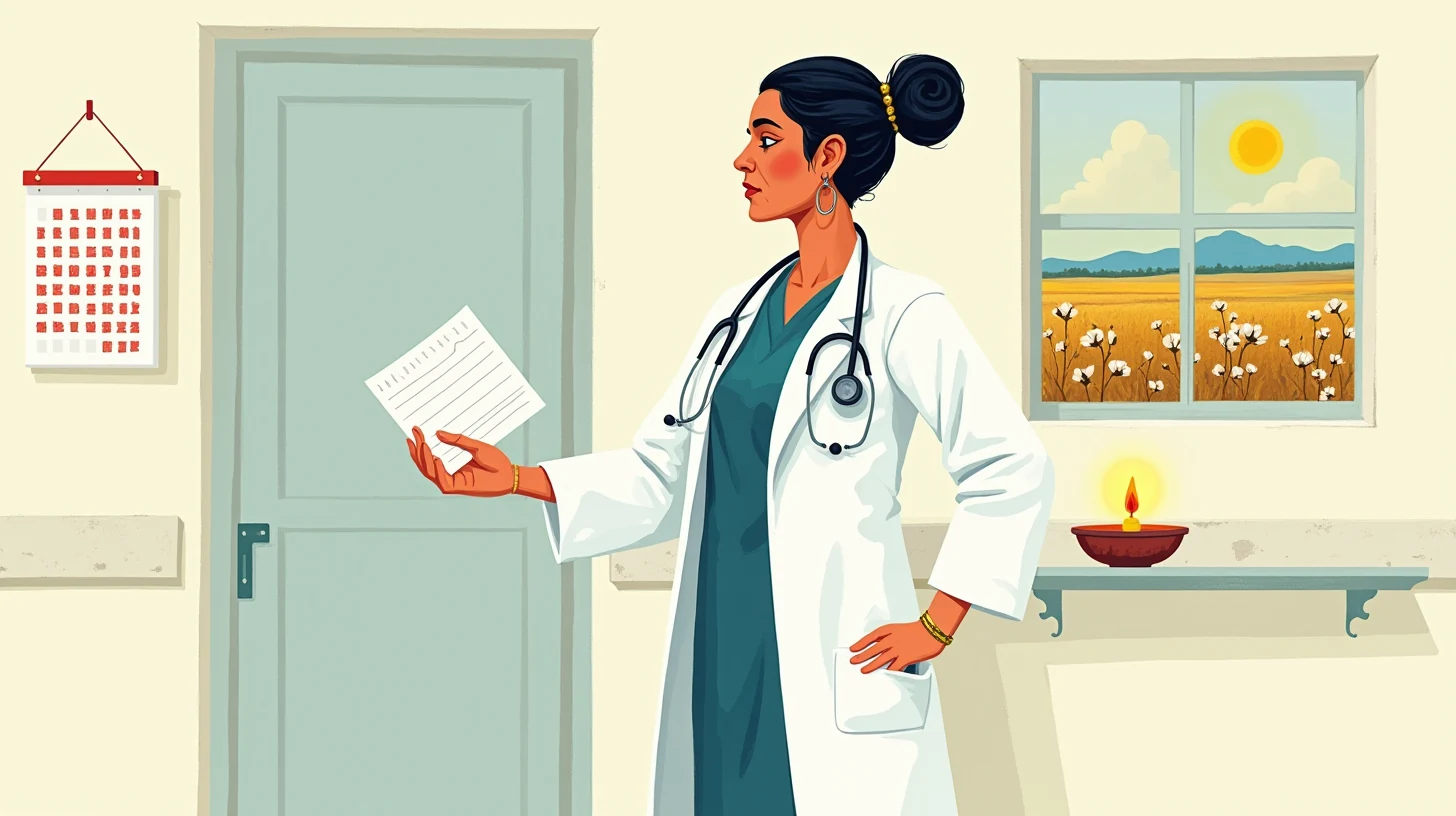
She can see them from her desk. They are visible every time she looks up.
Her salary is consistent: ₹1.2 lakh per month, the government AIIMS rate for a senior specialist. In May 2026, she would realize that her burnout has become clinically measurable—not in what she feels, but in what she has begun to do. She has started keeping a detailed log of her patient volumes, treatment outcomes, and deaths. After seeing seventy cancer patients per month for seven years, the details have begun to blur unless she writes them down. This is the moment when an organized person becomes a documenter—when the system stops scaling and the individual begins recording, for evidence, the precise rate at which it is failing.
The Malwa region—Bathinda, Faridkot, Moga, Muktsar—has a cancer incidence rate of 120–140 per 100,000 people. The national average is 100. No one trained Harpal to manage a regional oncology crisis. No one trains for that.
🗓️ The annual ritual
In November 2022, the Government of India launched an expansion plan for AIIMS infrastructure. AIIMS Bathinda was to be one of seven new tertiary centers built to serve India's rural and semi-rural regions. The hospital opened in early 2019 with one hundred and five beds total, distributed across general medicine, surgery, orthopedics, oncology, and critical care. The oncology ward was allocated twelve beds.
By 2024, the ward was seeing twenty to twenty-five inpatients at any given time. The mathematics were simple: twelve beds cannot hold twenty-five patients. What actually happened was that two patients began sharing beds, with staggered treatment schedules—one patient came Monday and Wednesday, the second came Tuesday and Thursday. The ward had two full-time nurses and one part-time nurse. The nurses created unwritten, unofficially sanctioned triage systems. These systems worked. Barely.
- 🏥
2019 — AIIMS Bathinda opens
One hundred and five beds total across all departments. Oncology ward: twelve beds. Regional cancer incidence 120–140 per 100K (20% above national average). No one has calculated that the 12 beds are insufficient.
- 📈
2021–2024 — Patient volume grows
By 2024, the oncology ward is managing 20–25 inpatients at any given time. The hospital shifts to a two-patient-per-bed shared schedule. Nursing staff remains at 2.5 FTE. Unwritten triage systems keep the ward running.
- 🛑
Jan 2025 — Staffing request stalls
Harpal proposes additional nursing positions. Approved in principle. Recruitment requires three government approvals (district, state health, state finance) — a process that takes 18 months. Budget re-allocated before approvals complete.
- 📋
May 2026 — Documentation begins
Harpal begins keeping a detailed log: new patients, chemotherapy cycles, inpatient occupancy, treatment completions, lost-to-follow-up cases, deaths. Data becomes evidence. The crisis becomes visible.
In January 2026, she started keeping a log. The decision came quietly, without announcement. She bought a notebook and put it in her desk drawer, and every day she wrote:
- Number of new oncology patients seen (outpatient)
- Number of chemotherapy cycles administered
- Number of inpatients in the ward
- Number of patients completing their planned treatment
- Number of patients lost to follow-up (did not return for scheduled appointments)
- Number of patients who died
The numbers, written daily in a government hospital in Bathinda, began to tell a story.
⚠️ What very nearly happened
April 2026. A sixty-two-year-old farmer named Surinder Singh arrived in the ward with a diagnosis of metastatic pancreatic cancer. He had been feeling unwell since January—abdominal pain, weight loss, loss of appetite. By March, he could not work the cotton fields. His son, a software engineer in Bangalore, came home and insisted on a proper diagnosis. CT scan confirmed it: pancreatic cancer, stage III, with metastasis to regional lymph nodes.
The private clinic doctor in Faridkot had said: "You need a tertiary center. PGIMER Chandigarh or AIIMS Bathinda. I don't have an oncologist."
His son chose AIIMS Bathinda because it was three hours closer than Chandigarh. This was correct in terms of geography. It was catastrophic in terms of timing.
Harpal read his CT scan and saw the tumor—approximately four centimeters in the head of the pancreas—and the involved nodes. She ordered a multidisciplinary tumor board: oncology, surgery, gastroenterology. The first question was not "Can we cure this?" The first question was "When can we start treatment?"
The answer was: one week. The chemoradiotherapy slot would open in one week, when the current patient would complete her second cycle and move to maintenance phase. One week meant that Surinder would lie in the ward, in pain, without treatment, waiting for a bed to open.
"ਹਰਪਾਲ ਜਾਣਦੀ ਏ ਕਿ ਸਿਸਟਮ ਤਬਦੀਲ ਨਹੀਂ ਹੁੰਦਾ ਜਦੋਂ ਤੱਕ ਬੰਦੇ ਇਹ ਲਿਖ ਨਾ ਦਿੱਤਾ ਜਾਵੇ।"— Harpal knows the system will not change until someone writes it down.
By Wednesday, Surinder had started his first chemotherapy cycle. The chemoradiotherapy slot had opened as promised. But by Saturday morning, he was vomiting and unable to eat. Blood tests showed his white blood cell count had dropped precipitously. His kidneys showed early signs of stress. The chemotherapy was working—it was killing the cancer—but it was making him seriously ill.
By Wednesday of the second week, Surinder was in the ICU. By Thursday, he had developed bacterial pneumonia superimposed on the chemotherapy toxicity. By Saturday, despite three antibiotics and supportive care, his condition was deteriorating. His family decided to move him to palliative care.
On Sunday, Surinder Singh died. The total duration of his treatment at AIIMS Bathinda was nine days.
Harpal wrote in her log: "April 2026, week two—death count: 2. Cause of death, primary: cancer progression with treatment complications."
She did not write: he should have started treatment earlier. She did not write: two nurses cannot manage a twelve-bed ward at nineteen patients average occupancy. But she was thinking it.
🌗 What changed
Three weeks after Surinder's death, Harpal's younger brother Simran—an engineer working in Chandigarh—came to Bathinda for the weekend. He had been quiet on the phone with her; she had mentioned the frustration of the staffing process, the log she was keeping, the feeling that the system was stalling. On Saturday morning, as they were making chai in the kitchen, Simran pulled up an agent application on his phone and showed it to her. He said, without preamble: "Download this. Set it to Punjabi. Tell it about the Surinder case. It's good at the part that matters—the part where you have numbers but the government doesn't."
Harpal was skeptical. She was a doctor, not a technology person. The agent sounded like another digital thing that would promise to fix the system and deliver nothing.
Simran installed it on her work tablet anyway, set the language to Punjabi, and over coffee that afternoon, pulled a chair next to hers at the desk where she kept her log. He said: "Type it out. The Surinder case. What went wrong. The timeline. The beds. The nurses. Ask the agent to tell you what the state needs to hear about it."
Harpal typed slowly, in Punjabi:
"ਚਾਰ ਮਈ ਨੂੰ ਸੁਰਿੰਦਰ ਸਿੰਘ ਨੂੰ metastatic pancreatic cancer ਸਨ। ਓਸ ਨੂੰ ਇਕ ਹਫਤਾ ਬੈਠ ਕੇ ਨਿਰਾ ਸਹਿਣ ਪਿਆ। ਚਿਮੋ ਥੈਰੇਪੀ ਸ਼ੁਰੂ ਹੋ ਗਈ, ਪਰ ਬਾਅਦ ਵਿਚ ਓਹ ਆਪਣੀਆਂ ਵਾਈਟ ਸੈਲਜ਼ ਨਿਮਨ ਹੋਏ। ਪਾਣੀ ਦਾ ਸੰਕਟ। ਗਿਣ ਦਿਨ 'ਚ ਮਰ ਗਏ। ਇਸ ਦਾ ਕਾਰਨ ਸਿਸਟਮ ਏ।"
The agent read it. Then it replied:
"ਹਰਪਾਲ ਜੀ, ਇਹ ਆਪ ਦੀ ਬਾਤ ਹੈ ਕਿ ਕਮਜ਼ੋਰ ਸਿਸਟਮ ਤੁਹਾਡੇ ਸਬਰ ਵਿਚ ਬੰਦ ਪਟਣ ਰਿਹਾ ਏ। Sureinder Singh ਦਾ case ਇਕ pandemic disease ਨਹੀ ਏ — ਇਹ evidence ਏ ਕਿ Bathinda ਅਤੇ Malwa region ਵਿਚ cancer incidence ਬਦਮਾਸ਼ ਏ, ਅਤੇ infrastructure ਤੋਂ 20% ਹੇਠ ਪੁੰਨ ਤੋਂ ਹੇਠ ਲੱਗਦਾ ਏ। ਤੁਹਾਡੇ ਪਾਸ data ਹੈ — nine weeks ਦੀ log ਏ। Punjab Health Directorate ਨੂੰ ਇਹ ਦਿਕਾਇਆ ਕਰੋ ਜੋ ਅੰਗ੍ਰੇਜ਼ੀ 'ਚ ਸਾਫ਼ ਲਿਖਿਆ ਜਾਵੇ। ਉਹ ਕਿਤੇ ਨਹੀ ਜਾ ਸਕਦੇ।"
(Harpal, the point is that a weak system has trapped Surinder inside it. Surinder's case is not a pandemic disease—it is evidence that the cancer incidence in Bathinda and the Malwa region is severe, and the infrastructure falls 20% short. You have data—nine weeks of logs. Present it to the Punjab Health Directorate in clear English. They cannot ignore it.)
The agent walked her through how to structure the presentation: patient volume versus capacity, timeline of the staffing request, the specific barrier points where delays became fatal. It helped her organize not just her log, but the argument beneath it—that this was not a failure of AIIMS Bathinda, but a failure to recognize that the Malwa region had a genuinely higher cancer incidence and the infrastructure was not built for that.
Harpal prepared a presentation that included her nine-week log, the incidence rates, the comparison of AIIMS Bathinda capacity versus regional demand. She estimated the cost of hiring three additional oncologists and five nurses at ₹45 lakh per year. She included a suggestion about an epidemiological study linking pesticide exposure to cancer types, estimated at ₹25 lakh for one year of coordination with soil surveys and agricultural ministry records.
Patient volume vs. capacity
70 new/month | 12 bedsAIIMS Bathinda admits 15–18 new oncology patients per month. Average inpatient occupancy: 19–20 patients. The ward is consistently operating at 160% of design capacity.
Staffing ratio
2.5 nurses | 19 patientsTwo full-time and one part-time nurse manage an average of 19 inpatients. Nursing-to-patient ratio: 1:7.6. The triage systems that keep the ward functional are created by the nurses themselves.
Treatment outcomes
15–18 new | 1–2 completeEach month: 15–18 new oncology patients admitted. Only 1–2 complete their full treatment course. The bottleneck is not diagnosis—it is delivery at scale.
🧭 Why we built it
There is a specific moment in the career of a doctor when the work stops being about individual patients and starts being about the system that shapes how those patients can be treated. For Harpal, that moment arrived in May 2026.
She had entered oncology nineteen years ago because she could cure cancer. She trained at PGIMER Chandigarh, one of India's best institutions, learned how to design chemotherapy regimens, read CT scans, communicate with families about prognosis. For her first twelve years, she worked in a system—PGIMER's 24-bed general oncology ward, with a proper nursing staff, with time for research—where the limiting factor was the stage of cancer at diagnosis. Early detection and treatment worked. Late detection and treatment failed.
At AIIMS Bathinda, the frontier changed. The cancer is the same. The drugs are the same. The protocols are the same. What changed is that the hospital was built for a population of 500,000 and the Malwa region has a population of 5 million—and the cancer incidence is 20% above national average. The frontier is no longer "How do we treat cancer?" The frontier is "How do we deliver treatment to seventy patients per month when the infrastructure was built for thirty?"
There are approximately 8,000 to 10,000 Punjab-origin doctors practicing abroad. Canada, United States, Australia, United Kingdom. The brain drain is the largest among all Indian states. Many of them are oncologists. Many left not because they were bad doctors, but because they calculated—correctly—that in Punjab, the system does not scale, and in Canada or Australia, it does.
Harpal stayed. When she made that decision in 2019, she was choosing to work in a place where the cancer incidence was 20% above average, the nursing staff was permanent, the government recruitment process was three separate approvals, and the log—the careful daily documentation of what was failing—had not yet been invented.
🌱 What we hope happens
It is late May 2026. The state health directorate has not yet approved the additional staffing or the epidemiological study budget. The timeline remains uncertain. The health directorate language—"consider," "assess feasibility," "explore partnerships"—is the language of stalling.
But something has changed in how Harpal thinks about her work. She is still seeing patients. This month, she has logged twenty-seven new oncology referrals, thirteen chemotherapy cycles administered, and three deaths. The ward is still running at eighteen patients in twelve beds. But she is no longer a doctor who is failing to solve a system problem. She is a doctor who is precisely documenting a system failure—and documentation, eventually, becomes evidence, and evidence becomes leverage.
There are public health crises that are invisible until someone writes them down. The Malwa cancer belt was invisible because every hospital thought the problem was local. AIIMS Bathinda thought it was their management failure. Rajindra Hospital Patiala thought it was theirs. No one had said: the problem is not local. The problem is that this region has a genuinely higher cancer incidence, the infrastructure was not built for that, and we are treating a public health crisis as if it is a series of individual hospital failures.
Harpal said it. She said it with a notebook, with nine weeks of daily data, with the specific number of patients who died waiting for a chemoradiotherapy slot. She presented it to the state health directorate. The outcome is uncertain. But the act of documentation itself—the act of making the invisible crisis visible—has become the work. The frontier of regional oncology is not the cancer itself. The frontier is the gap between what modern oncology can do and what a region that needs it can actually access. One nurse cannot watch nineteen patients. Three oncologists cannot see seventy new patients per month. And a farmer dying from treatment toxicity after nine days is not a treatment failure. It is a system failure.
Until the system changes, Harpal will keep her log.