
The Chandigarh boutique owner and the trademark she built but never registered
The glass shopfront of Phulkari House in Sector 17, Chandigarh, catches the Rose Garden light at sunset. Inside, wooden rails hold dupattas in indigo and crimson, their Phulkari embroidery dense with geometric squares and diamond patterns. Hand-embroidered kurtas hang in loose rows—some cotton, some silk, all stitched by the same women from three villages near Muktsar whom Harpreet Kaur has worked with for a decade. The boutique is small, intimate, and unmistakably Punjabi: the kind of space where a grandmother brings her granddaughter to buy a wedding gift, where businesswomen from Chandigarh's tech parks stop between meetings to pick up a formal dupatta.
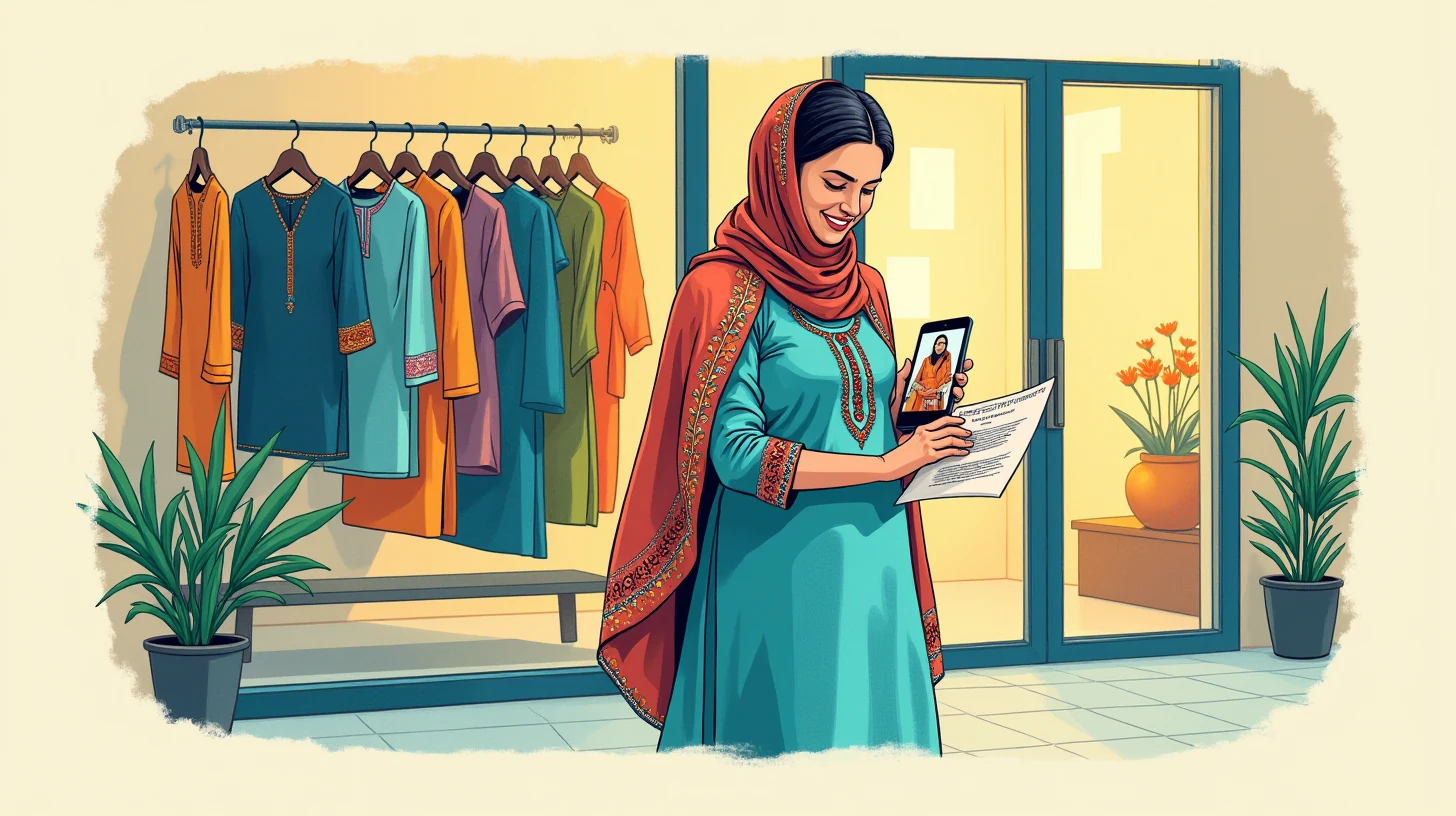
Harpreet is forty-four and has owned this shop for sixteen years. But she built the "Phulkari House" brand—the name, the logo, the reputation—over six years. She never registered it as a trademark. She thought consistency across Instagram, invoices, and the shopfront signboard was enough. It wasn't.
On a Tuesday evening in March 2024, an email arrived from a legal firm in New Delhi. A Delhi-based online seller, Meera Sharma, had registered "PhulkariHouse" as a Class 25 trademark (clothing) in September 2022. The application had been allowed. Now Harpreet was asked to cease use of the name within thirty days or face infringement proceedings.
Harpreet called her younger sister Navneet, a third-year law student at Panjab University, studying intellectual property as an elective. Navneet read the notice twice and asked: "Did you use the name before September 2022?"
"Yes. Since 2018. Every invoice, every social media post."
Navneet smiled. "Then Meera registered a trademark she doesn't own. You do. You just never filed it."
🗓️ The prior-use trademark defense
Section 34 of the Indian Trademark Act, 1999 protects shop owners like Harpreet. It says: a person who has used an unregistered trademark in relation to goods before the date of application for a registration by someone else can object to that registration. This is called a "prior-use defense" and it's one of the quietest, most underused weapons in India's trademark law.
Here's how it works. Trademark registration grants legal monopoly over a name or symbol. But registration itself is not first-come-first-serve globally—it's first-file-first-serve. The first person to file the application with the Intellectual Property Office of India (IP India) gets the registration, even if someone else has been using the name in commerce for years. The law assumes filing is public notice; your Instagram post is not.
But there's an exception. Under Section 34, a person with genuine prior use can file an opposition to the newer registration. The burden shifts: the person with prior use must prove continuous, consistent commercial use before the rival's filing date. The evidence is invoices, bank statements, Instagram posts with dates, press coverage, photographs of the shop with signboards, bills to customers. The trademark office examines this and asks: was this person genuinely using this brand before September 2022? If yes, the registration of the later applicant can be canceled or limited.
For Harpreet, Class 25 (clothing, footwear, headwear) was her category. Her evidence was strong: invoices from 2018 onwards with "Phulkari House" printed on them; Instagram account (@phulkari_house_chandigarh) with posts dating to 2017; local press coverage from The Tribune and The Hindu when she expanded to Sector 17 in 2020; bank deposits linked to her business name. The digital trail, because it was timestamped and public, was nearly as strong as statutory declaration.
:::infographic type: timeline
- title: "Four Months to Opposition Filing"
- steps:
- "March 2024: Cease-and-desist notice arrives via email; Harpreet panics"
- "March 2024: Navneet identifies Section 34 prior-use defense; research begins"
- "April 2024: Prior use evidence assembled—invoices, Instagram, press clippings, photos"
- "May 2024: Opposition filed with IP India under Section 21; S&E address renewed; GST regularized" :::
⚠️ The notice that arrived by email
The cease-and-desist letter was formal, polite, and threatening. Meera Sharma's lawyer wrote: "Our client has been granted exclusive rights to the mark 'PhulkariHouse' in Class 25. Your use of the same or confusingly similar mark constitutes infringement. You must cease within 30 days and recall any goods bearing the mark."
Harpreet had used the mark for six years. Meera had a certificate from IP India dated 2022. On paper, Meera was right.
But there were other problems Harpreet was already nursing in silence.
First: her Shop and Establishment (S&E) license, issued under Chandigarh's adaptation of the Punjab Shop and Establishment Act. She had opened her first Phulkari House in a small flat in Sector 22. In 2020, she moved to the larger showroom in Sector 17. But she never updated the license address. Four years of mismatch. When Navneet asked to see it, the date on the renewal had been signed off with the old Sector 22 address still printed. If an inspector visited, Chandigarh's licensing authority could impose a ₹3,000 fine for address mismatch and demand immediate renewal.
Second: her GST status. Harpreet had been filing GST returns under the composition scheme (Form CMP-08), where small retailers pay a flat 1% tax on turnover and don't claim input tax credit. The composition scheme is meant for businesses with turnover up to ₹1.5 crore. In FY2024, Harpreet's turnover was ₹1.61 crore. She had crossed the limit but kept filing CMP-08 anyway—out of habit, out of not noticing the threshold crossing, out of not knowing what to do. When Navneet looked at the GST portal, a compliance notice was already in draft: ITC reversal of ₹18,400 for continued composition-scheme filing beyond the limit.
The trademark notice, the S&E address mismatch, the GST ITC shortfall: three separate compliance threads, all pulling tight at once.
Navneet had one month to act.
🌗 What prior use means in practice
On a Sunday afternoon, Navneet and Harpreet sat in the shop with Harpreet's laptop, coffee, and a stack of printed invoices from 2018. An IP India agent, Rajesh Kumar, was available for a consultation call at 2 PM. He worked from a shared office in Kasol and handled IP filings for small retailers across Himachal and Punjab.
"So let me explain the three tracks," Rajesh said, his voice calm and practiced. "Track One: the prior-use opposition. We file a Form TM-5 at IP India, cite Section 34, and submit your evidence—invoices, Instagram screenshots with metadata, the press clippings, photos of your shop signboard. You don't need a lawyer; you can file yourself, but it costs ₹500 and takes two weeks to submit. The registration examiner will send you a hearing notice in sixty days. You show up, you argue your case, and usually—not always, but usually—if your evidence is strong, the registration is canceled or limited to Meera's own use only."
"How long?" Harpreet asked.
"Opposition itself takes six to nine months. But you can ask for an interim injunction under the Brand Reputation Protection scheme if you're famous enough. You're not nationally famous, but Sector 17 is dense retail. You might get a cooling-off period."
Navneet asked about the composition scheme. Rajesh nodded. "Track Two is GST. You crossed ₹1.5 crore, so you must exit composition and switch to regular GST. File Form GST CMP-04 before the end of the financial year—you're still in time. Pay interest on the ₹18,400 shortfall: about ₹3,000 in interest. Then, going forward, you file quarterly QRMP returns and claim full ITC. It's a one-time pain but it regularizes everything."
"And the Shop and Establishment license?" Harpreet asked.
"Track Three is quickest. You go to the Chandigarh municipal corporation office in Sector 17. Tell them you've shifted premises. They'll issue a new license for the Sector 17 address. There may be a late-renewal fee of ₹500, and yes, the ₹3,000 fine if they catch the mismatch. But if you go voluntarily and update the address before any inspection, they usually waive the fine and just charge renewal."
Rajesh paused. "The good news: all three are fixable. The trademark case is yours to win. The GST is administrative. The S&E is just paperwork."
Navneet typed notes while Rajesh spoke. When he finished, Harpreet asked the question she'd been holding back: "Will this cost me a lot of money?"
"Opposition filing: ₹500. GST interest: ₹3,000. S&E renewal: ₹500 to ₹1,000. A good trademark lawyer would cost ₹15,000 to ₹25,000, but you don't need one. Your evidence speaks for itself. You can do this yourself."
Harpreet breathed.
"ਇਕ ਵਾਰ ਜੇ ਤੁਹਾਡਾ ਨਾਮ ਬਾਜ਼ਾਰ ਵਿੱਚ ਹੈ, ਤਾ ਕਾਨੂੰਨ ਤੁਹਾਡਾ ਸਾਥ ਦਿੰਦਾ ਹੈ।"
(Once your name is in the marketplace, the law stands with you.)
— Harpreet Kaur
"ਫੁਲਕਾਰੀ ਹਾਊਸ ਮੇਰਾ ਨਾਂ ਹੈ, ਮੇਰੀ ਮਾਂ ਦਾ ਨਾਂ ਹੈ, ਮੇਰੀਆਂ ਗ੍ਰਾਹਕਾਂ ਦਾ ਨਾਂ ਹੈ। ਕੋਈ ਇਸਨੂੰ ਰਜਿਸਟਰ ਕਰਕੇ ਆਪਣਾ ਕਿਵੇਂ ਕਹਿ ਸਕਦਾ ਹੈ?"— Phulkari House is my name, my mother's name, my customers' name. How can someone register it and call it their own?
🧭 Why boutique brands stay unregistered
In Chandigarh's markets—Sector 17, Elante Mall, the old city bazaars—hundreds of boutiques exist with names that were never filed as trademarks. "Silk Route," "Threads & Embroidery," "The Wardrobe Studio," "Punjabi Pride"—names that locals recognize, that draw repeat customers, that are valuable precisely because they're known. Yet their owners, mostly women managing single or dual-location shops, don't register them. They assume that using the name consistently is enough. It's not.
The barrier is not cost—trademark registration costs ₹4,500 to ₹9,000 and can be done online. The barrier is awareness. Retail owners think trademark registration is for big brands, for national companies, for Delhi and Bangalore. They don't realize that a competitor in another city can file their name and legally own it in India, even if the original owner has been using it for a decade.
There's another wrinkle: Phulkari is a geographical indication. The GI (Geographical Indication) Act protects "Phulkari" as a collective heritage mark—traditional embroidery from Punjab. But Harpreet's "Phulkari House" is not a GI; it's her business name. The GI doesn't prevent her from using "Phulkari" in her brand, but it also doesn't protect "Phulkari House" as a standalone trademark. Meera exploited this gap. She knew "Phulkari" was too broad to register alone, so she registered "PhulkariHouse"—specific enough to be registrable, broad enough to block Harpreet.
This pattern repeats across India. A successful local brand—a bakery in Lucknow, a salon in Thiruvananthapuram, a textile shop in Indore—becomes profitable. Someone in Mumbai or Hyderabad notices, registers the name, and sends a cease-and-desist. The original owner, blindsided and afraid, often settles or shuts down. The squatter either uses the registration themselves (cynical, low-stakes) or sells it to someone else (entrepreneurial, parasitic).
The fix is simple but requires knowledge: register the trademark early, renew it every ten years, and monitor the IP India journal for rival filings.
:::infographic type: boundary
- title: "Prior Use Defense: What Works & What Doesn't"
- does:
- Invoices, bills, or receipts with the brand name and date
- Instagram, Facebook, or website screenshots with timestamps (metadata matters)
- Newspaper or magazine articles mentioning the brand name and date
- Photographs of shop signboards, packaging, or advertising with visible dates
- Bank statements or deposits under the business name
- GST or tax filings showing the brand name
- doesnt:
- Word-of-mouth testimony without documentary evidence
- Vague "we've been using it for years" without specific dates
- Screenshots without timestamps or metadata
- Oral agreements or WhatsApp chats (unless officially notarized)
- Unrelated documents that mention the brand name in passing
- Registrations in other names (sole proprietorship, partnership) without clear link to the brand :::
🌱 Navneet's weekend research
By the first week of May 2024, Navneet had collated the evidence: two hundred and thirty-seven digital photographs of shop signboards and packaging, screenshots of eighty-three Instagram posts with dates, seventeen invoices from 2018–2024, six press clippings from local newspapers, and three bank statement excerpts. Harpreet had provided everything. The timeline was clean: first invoice dated March 2018, first Instagram post dated August 2017.
On a Friday afternoon, Navneet visited the Chandigarh municipal corporation office with Harpreet. She carried the S&E license renewal form and the address-update documents. The clerk, a woman in her fifties, saw the mismatch and sighed. "This should have been updated four years ago," she said. "But you're here now. Renewal fee is ₹800, and since you're being proactive, I'll waive the fine." Twenty minutes later, they had a new license with the Sector 17 address.
On Saturday, Harpreet logged into her GST portal and filed Form CMP-04 to exit the composition scheme, effective from 1st April 2024. The interest penalty of ₹3,180 was paid via NEFT the same day. By Monday, her GST account showed her switched to quarterly regular returns with full ITC eligibility. She would file her first QRMP return by the 20th of May.
On Tuesday, Navneet prepared the Form TM-5 opposition against Meera Sharma's trademark. The cover page cited Section 34 and Section 21(1)(b) of the Trademark Act. The grounds of opposition were: use of an identical mark in relation to identical goods prior to the filing date of the rival application. The statement of case was twelve pages, methodical and dated. On Wednesday afternoon, Navneet paid ₹500 online and uploaded the opposition to the IP India portal.
The filing received a timestamp: 13 May 2024, 3:47 PM.
Within forty-eight hours, IP India issued a hearing notice for 14 July 2024. Harpreet would appear via video conference—she didn't need to travel to Delhi. She would bring her evidence, state her case in simple English, and let the trademark examiner decide.
In her boutique, as the monsoon broke over Chandigarh in late May, Harpreet hung a new batch of kurtas on the rail. The shopfront still read "Phulkari House" in the same script and color scheme. This time, she wasn't using the name at risk. Three months from now, the opposition hearing would begin. In nine months, if the examiner agreed with her evidence, Meera's registration would be canceled. And if, somewhere down the line, Meera wanted to fight, Harpreet would have the law, the dates, and the invoices on her side.
The trademark was always hers. She just needed to say it out loud to someone who listens: the law.