
The Kozhikode ayurvedic seller and the products that crossed three regulatory boundaries
Anita Nambiar had run her Ayurvedic medicine shop on SM Street, Kozhikode, for twenty-three years. The wooden counter, polished smooth by two decades of transactions, held rows of brown glass bottles—Kottakkal aswagandharishtam, Vaidyaratnam brahmi oil, homemade herbal teas she pressed in the back room. The shop smelled of sandalwood, dried neem, and the faint bitterness of Ayurvedic medicines. Her Drug Control licence hung framed on the wall, renewed faithfully each year.
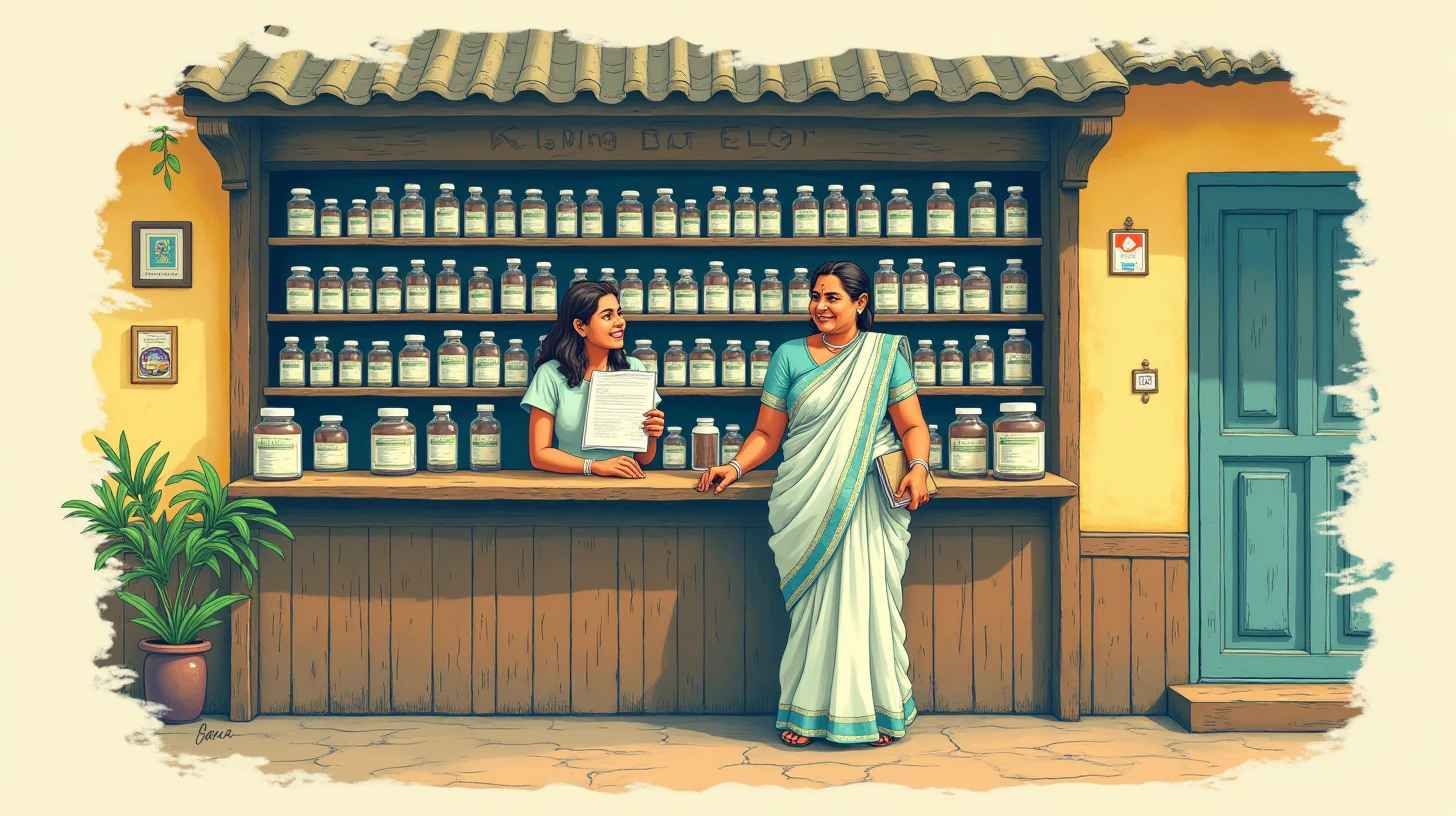
On a Tuesday afternoon in early May, the inspector from the Kerala Drug Control Administration arrived with a clipboard and a quiet gravity that made Anita's stomach tighten. He was not there about standard compliance. He pointed to three separate categories on her shelves: the Ayurvedic medicines (powders, oils, tinctures marked with classical Sanskrit names), a row of cosmetic products she'd begun stocking eighteen months earlier (Ayurvedic-labelled hair oils, face packs, turmeric masks marketed as "skin-brightening Ayurvedic formulations"), and boxes of herbal teas and health drinks stacked on the lower shelf.
"Each of these categories," he said slowly, "has a different regulator. A different licence. A different GST rate. You can't sell all of them under one drug permit."
Anita felt the ground shift. She had assumed that because her medicines were Ayurvedic, and her teas were herbal, and her face packs were all marked "Ayurvedic," they would all fall under the same regulatory umbrella. The inspector's notice, handed to her in an unsealed envelope, gave her sixty days to separate her inventory or face seizure of non-compliant stock.
Her daughter Meera was coming home from Calicut Medical College the following week for a term break. She was in her third year of pharmacy studies. During the drive from the station, Anita finally told her what had happened.
🗓️ Three regulators for one Ayurvedic shop
What Anita discovered—and what the inspector's notice made brutally clear—was that Indian regulation separates Ayurvedic products into three distinct tracks, each with its own licence, inspection regime, and GST rate.
Ayurvedic medicines fall under the Drugs and Cosmetics Act, 1940, Schedule K (for exempted classical formulations) or Schedule M (for full drug manufacturing and retail licences). A shop selling Ayurvedic medicines like ashwagandha powder, brahmi oil, or custom churnas requires a Drug Licence (Form 20-B for retail) issued by the Kerala Drug Control Administration. GST on Ayurvedic medicines is 12%.
Cosmetic products—even if they are labelled "Ayurvedic"—fall under the Drugs and Cosmetics Act, Schedule C. Face packs, hair oils marketed for cosmetic benefit (skin brightening, shine, smoothness), and body oils marketed for beauty rather than therapeutic use require a separate Cosmetic Licence (Form 32). They cannot be sold under a drug licence. GST on cosmetics is 18%.
Herbal teas and health drinks are classified as food items under the Food Safety and Standards Act, 2006. They require FSSAI (Food Safety and Standards Authority of India) State Licence registration, even if they are herbal, even if they mention Ayurvedic ingredients. GST on food items is 5% (for unpackaged) or 12% (for packaged health supplements, depending on the specific product category).
The boundaries are not obvious at the point of sale. A jar of turmeric-neem face pack marked "Ayurvedic" feels like it belongs with the Ayurvedic medicines. A box of herbal tea labelled "Ayurvedic immunity blend" feels connected to the medicines section. But regulatory boundaries are drawn by function and claim, not by ingredient or tradition. The inspector explained this to Anita with reference to the claim language on each product's label: if it says "treats acne" or "brightens skin," it is a cosmetic. If it says "supports immunity" or "aids digestion," it is a food supplement or a drug, depending on potency and formulation. The inspector's job was to correctly reclassify products based on what the label actually said.
Meera listened, then pulled out her pharmacy textbook and began reading aloud from the chapter on pharmaceutical regulation in India. Within minutes, she had located the precise boundary definitions.
⚠️ The products that crossed lines
What had happened was simple and, Anita later realized, entirely predictable. She had not deliberately violated regulation. She had simply inherited assumptions from a previous accountant (a retired CA who had advised her years earlier that "everything Ayurvedic is covered by one drug licence") and had never questioned them as her product range expanded.
When she began stocking cosmetics, she had not filed a separate cosmetic licence. She had assumed that because the products were labelled "Ayurvedic," they would fall under the same regulatory framework as her medicines. The inspector's notice showed that she had been selling Ayurvedic-labelled face packs and turmeric masks for eighteen months without cosmetic licence compliance.
The herbal teas were sold as packaged health drinks with labels like "Ayurvedic Immunity Blend—Turmeric, Ginger, Black Pepper." The inspector noted that these were food items, not drugs, and required FSSAI state registration for herbal food items. Anita had no such registration. She had never filed one because she assumed the drug licence covered everything Ayurvedic.
The GST rate discrepancy was discovered by Meera during a quiet afternoon when she asked her mother to show her the billing records. Meera pulled a calculator and began matching invoice amounts to product categories. Within an hour, she had found the pattern: Anita had been charging 12% GST on everything—medicines, cosmetics, and herbal teas alike. But the correct rates were 12% for medicines, 18% for cosmetics, and 5% for unpackaged herbal items (or 12% for packaged health supplements). Over eighteen months of cosmetic sales, Anita had undercharged GST by approximately 8,000 rupees. Over a similar period of herbal tea sales, the rate error meant she had overcharged on some items and undercharged on others, creating a small net underpayment.
The inspector's notice did not focus on the tax liability—that was a separate issue to be resolved with the GST authorities. But it made clear that continued incorrect GST billing would compound the problem.
"എന്റെ പഴയ ആ CA പറഞ്ഞത്, ഈ എല്ലാം ഓഷധ ലൈസൻസിൽ കവർ ആണെന്ന്. പിന്നെ ഞാൻ കൂടുതൽ നോക്കിയില്ല. നിനെ മീര തെളിയിച്ചത് കാണ്ടെ എത്ര ഭിന്നം."— My old CA told me everything was covered under the medicine licence. I never looked further. Now Meera has shown me how different everything actually is.
🌗 What Meera's textbook explained
That evening, Meera contacted GabFORGE through the Everyday interface and described her mother's situation in Malayalam. The agent responded within the hour with a clarity that clarified the entire regulatory landscape.
The agent explained, in a dialogue with Meera:
"മീര, നിന്റെ അമ്മയുടെ സ്ഥിതി വളരെ സാധാരണമാണ്. ആയുർവേദ സെക്ടറിൽ ഈ സംഭവം കൂടുതൽ പേർക്കും വരുന്നു. മൂന്ന് നിയന്ത്രകങ്ങൾ, മൂന്ന് ലൈസൻസ്, മൂന്ന് നിരക്കുകൾ. പരിപാടിയാണിത്."
(Meera, your mother's situation is quite common. This happens to many in the Ayurveda sector. Three regulators, three licences, three rates. That is the design.)
"ആയുർവേദ ഓഷധങ്ങൾ—അഷ്വഗന്ധ, ബ്രാഹ്മി, ചൂരണങ്ങൾ—ഇവ Drugs and Cosmetics Act കീഴിൽ Drug Licence (Form 20-B) വേണം. ഇത് കേരള Drug Control വിതരണം ചെയ്യുന്നു. GST 12%."
(Ayurvedic medicines—ashwagandha, brahmi, churnas—these need a Drug Licence (Form 20-B) under the Drugs and Cosmetics Act. The Kerala Drug Control issues this. GST is 12%.)
"സൌന്ദര്യ ഉൽപ്പന്നങ്ങൾ—മുഖ പാക്, തെങ്ങ എണ്ണ, വരണ്ണപ്പിടിപ്പ്—ഇവ ഷെഡ്യൂൾ C കീഴിൽ Cosmetic Licence (Form 32) വേണം. ഇത് വ്യത്യസ്തം നിയന്ത്രണം, വ്യത്യസ്ത നിരീക്ഷണം. GST 18%."
(Beauty products—face packs, coconut oil, turmeric masks—these need a Cosmetic Licence (Form 32) under Schedule C. This is separate regulation, separate inspection. GST is 18%.)
"ചായ, കോഫി, ബിസ്കറ്റ്, ഔഷധ ചായ—ഇവ FSSAI കീഴിൽ Food വർഗ്ഗം. State Licence വേണം. ഓഷധ ഘടകങ്ങൾ ഉണ്ടായാലും, പരിപാടി Food-ന്റെതാണ്. GST 5% അല്ലെങ്കിൽ 12%, കണ്ടിത്ത് പ്രകാരം."
(Tea, coffee, biscuits, herbal tea—these fall under FSSAI Food category. State Licence required. Even if they have medicinal ingredients, the framework is Food. GST is 5% or 12%, depending on the product.)
"ആ സ്ത്രീ—അനിത ആണോ—ദീർഘദിനം നിയമത്തിന്റെ അര്ത്ഥം അറിയാതെ ജീവിച്ചിരുന്നു. അതിന് കുറ്റം ഇല്ല. പിന്നെ ഇപ്പോൾ തെളിയിക്കണം, വിഭജിക്കണം, വീണ്ടും ഫയൽ ചെയ്യണം."
(That woman—Anita—has lived for a long time without understanding what the law meant. There is no fault. Now she must clarify, separate, and refile.)
The agent then provided Meera with a step-by-step action list for each of the three regulatory tracks:
For Ayurvedic medicines (Drug Licence, Form 20-B): The licence Anita already held was sufficient for the classical Ayurvedic medicines in her inventory. She needed to audit her stock against the Schedule K exemption list maintained by the Kerala Drug Control Administration to confirm which medicines were compliant. Any custom formulations or non-standard preparations would require full drug manufacturing oversight (which Anita did not have and did not need to obtain; she simply could not stock non-compliant products).
For cosmetics (Cosmetic Licence, Form 32): Anita would need to file a separate application with the Kerala Drug Control Administration for a cosmetic retail licence. The application required product safety data (if available from manufacturers), ingredient lists, and labelling samples. The timeline was typically 30–45 days for approval at retail level.
For herbal teas and health drinks (FSSAI State Licence): Anita would file for FSSAI state registration for packaged herbal foods. The application was straightforward for items that made no therapeutic claims (marketed purely as beverages). Timeline: 21 days on average.
For GST correction: Once the regulatory separation was complete, Anita would need to file amended GST returns for the past eighteen months, correcting the rates for cosmetics (from 12% to 18%) and herbal foods (to 5% or 12%, as applicable). She would owe back tax plus interest, but the agent noted that filing the correction proactively—before a tax audit—would likely result in a more lenient treatment from the GST authorities.
"ഈ മൂന്ന് നിയന്ത്രകങ്ങൾ നോക്കിയാൽ അനിത സാധാരണ കലിപ്പെടും. പക്ഷേ നിയമം ഇതാണ്. കേരളത്തിൽ AYUSH സെക്ടർ ശക്തിയുള്ളതാണ്, നിരീക്ഷണവും കർശനം. അനിത തെളിയിച്ചാൽ, നിരീക്ഷണ നോട്ടിസ് പിൻവലിച്ച് കേരളത്ത് സാധ്യമായിരിക്കും."
(These three regulators will overwhelm Anita at first. But this is the law. In Kerala, the AYUSH sector is strong, and inspection is strict. If Anita clarifies, withdrawal of the inspection notice is possible in Kerala.)
What it does
- 🔍Identifies medicine / cosmetic / herbal food as three separate regulatory tracks with different licences and GST rates
- 📋Explains Drug Licence (Form 20-B for medicines, Form 32 for cosmetics) and FSSAI state licence for herbal food items
- 💰Maps the GST rate correction: 12% for medicines, 18% for cosmetics, 5–12% for herbal food depending on product
What it does not do
- 🔒Never accesses Anita's GST portal or files the amended returns on her behalf
- ✅Never confirms the Drug Control inspector will withdraw the notice — that depends on the inspection report outcome
🧭 Why Ayurvedic shops face three regulators
The fragmentation of Ayurvedic retail across three regulatory domains reflects a deeper structural reality in Indian regulatory design. The Drugs and Cosmetics Act was written in 1940 and revised several times since, but its core architecture predates the modern food safety framework. When FSSAI was established in 2006 and the Food Safety and Standards Act created, the boundaries between drug, cosmetic, and food regulation had to be redrawn—but the process was incomplete. In practice, this means that a retailer selling traditional Ayurvedic products must navigate three separate statutes, three separate state authorities, and three separate inspection regimes.
For Kerala specifically, the situation is further complicated by the state's prominence in the AYUSH (Ayurveda, Yoga and Naturopathy, Unani, Siddha, Homeopathy) sector. Kerala accounts for a significant share of India's Ayurvedic medicine manufacturing and has deep traditional knowledge in herbal preparation. This has made Kerala's Drug Control Administration particularly attentive to compliance in the Ayurvedic space. Inspectors in Kerala are more likely to catch regulatory boundary violations than in states where AYUSH manufacturing is less developed. The upside of this scrutiny is consumer safety and product authenticity; the downside is that retailers who have grown their businesses under outdated compliance frameworks—assumptions inherited from older colleagues or older accountants—suddenly find themselves exposed.
The GST rate distinction (12% for medicines, 18% for cosmetics, 5% for unpackaged food) was added after the Goods and Services Tax replaced the previous tax regime in 2017. But many small retailers, particularly in traditional sectors like Ayurveda, continued operating under old mental models. A shop owner who learned the trade twenty years ago when everything was taxed at a single rate might never revisit their billing assumptions unless forced to do so.
🌱 Meera's term break
By the end of the week, Anita had separated her inventory into three distinct zones. The Ayurvedic medicines remained in their original location, covered by her existing drug licence. The cosmetics were boxed and set aside until the cosmetic licence application was processed. The herbal teas and drinks were moved to a separate section with new labelling that removed any therapeutic claims.
Meera helped her file the cosmetic licence application (Form 32) on the Kerala Drug Control portal, providing manufacturer certificates and product safety data she requested from her suppliers. She also completed the FSSAI state licence application for herbal food items through the online portal (foscos.fssai.gov.in), uploading process flowcharts and manufacturing site photographs.
Within three weeks, the cosmetic licence was approved (pending quarterly inspection, a standard condition). The FSSAI state licence for herbal foods came through in twenty-one days, exactly as the agent had predicted.
For the GST correction, Anita filed amended returns for the past eighteen months. She owed approximately 11,000 rupees in back tax and interest. She paid it without contest. The GST department, finding the correction proactive and the documentation complete, assessed no penalty.
When the Drug Control inspector returned to the shop in late May for a follow-up visit, Anita walked him through the reorganized inventory, the three separate licences now on her wall, and the corrected GST documentation. He examined the Schedule K exemption list against her Ayurvedic medicine stock and found no discrepancies. The inspection concluded without further notice. The original notice was withdrawn.
Meera returned to Calicut with her term break ending. On the drive back to medical college, her mother said quietly: "I sold Ayurvedic products for twenty-three years and did not know they were three different kinds of law. You found it in one week from a textbook."
Meera smiled and replied in Malayalam: "That is what pharmacy school is for, Amma. To know where the lines are drawn."
The SM Street shop now operates under three regulatory tracks—one licence for medicines, one for cosmetics, one for food items. Anita's customers do not see the complexity. They see the same shelves, the same bottles, the same careful preparation that has defined the shop for over two decades. But beneath the surface, the shop now inhabits the precise boundaries of Indian law. It is a small victory, but it is a victory.