
The Thiruvananthapuram student and the Kerala scholarship that went to the wrong department
Sreekanth Kumar stared at the rejection message from the Kerala government portal for nearly five minutes. The SCDD (Scheduled Castes Development Department) had returned his application marked "Community does not match scheme eligibility." He was nineteen, from a construction worker's family in Thiruvananthapuram, and he had just scored KEAM rank 12,450—good enough for a Computer Science seat at a self-financing college in Kollam. His family's annual income was ₹95,000. He thought he qualified for help. The rejection email suggested no next steps.
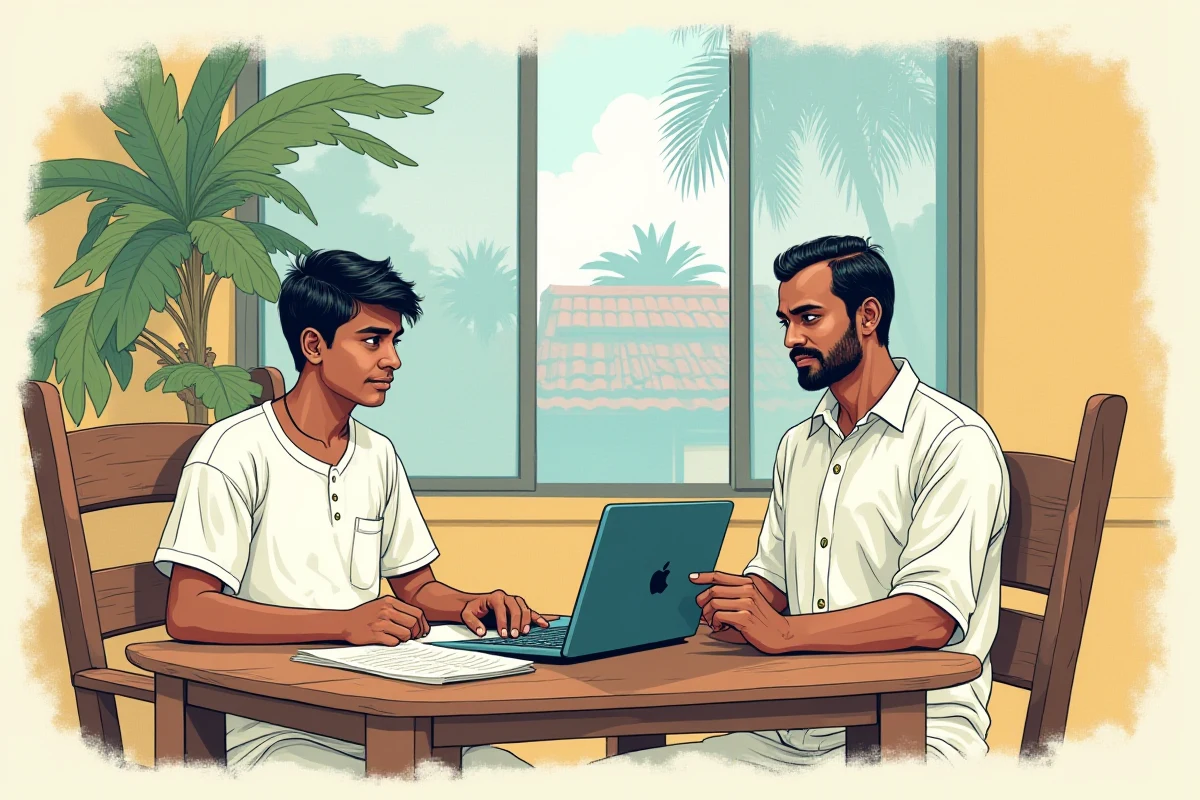
What Sreekanth and his father didn't know was that the right department was literally next door—and the scholarship waiting for him was worth ₹50,000 per year.
The confusion began with Ezhava. Sreekanth's community certificate said "Ezhava — OBC (Other Backward Community)." In central government lists, Ezhavas appear in some affirmative-action schemes as "Scheduled Caste" in certain states. In Kerala, however, the official state schedule lists Ezhavas as OBC, not SC. The SCDD portal had flagged exactly this mismatch: his certificate said OBC, but SCDD scholarships are only for SC students. What the error message didn't explain was where OBC students like Sreekanth actually belonged—a gap that left his family searching blindly through government websites.
The AI identified the problem in minutes: the Ezhava classification, the correct government department, the right scheme, and the income threshold. By the time his father collected a fresh OBC certificate from the Tehsildar, Sreekanth's revised application went to the BCDD (Backward Classes Development Department) and was approved within three weeks.
This is the story of how a single classification difference—SC versus OBC—nearly cost a meritorious student ₹2 lakh over four years, and how it was corrected.
🗓️ KEAM, private engineering colleges, and Kerala's fragmented scholarship system
Kerala's engineering admissions run through KEAM (Kerala Engineering Architecture Medical examinations), and KEAM rank determines not just which college you attend but which government scheme might cover your fees. The landscape looks simple from outside: KEAM rank → engineering college allotment → check your eligibility for fee schemes.
In reality, Kerala's scholarship ecosystem is split across at least five departments—SCDD, BCDD (for OBC/other backward classes), minority boards, SC welfare, and income-based schemes—each with overlapping eligibility windows and incompatible portals.
For students admitted to private (self-financing) engineering colleges, two main paths exist:
SCDD Fee Reimbursement Scheme: covers full tuition fees for Scheduled Caste students at private engineering colleges. Applications submitted through the college directly to SCDD (scdst.kerala.gov.in). Processing typically takes 4–6 weeks.
BCDD OBC Pre/Post-Matric Scholarship: covers ₹50,000 per year for OBC/MOBC students (including Other Backward Communities listed under the state schedule) at self-financing colleges. Family income must be below ₹1 lakh per annum. Applications through backwardcommunities.kerala.gov.in.
Sreekanth's family—annual income ₹95,000—fell just under the ₹1 lakh ceiling for BCDD. He should have qualified for ₹50,000 annually. Instead, he applied to SCDD, which had no path for OBC students.
- 📝
KEAM Exam (June 2025)
Sreekanth scores rank 12,450 in KEAM entrance examination
- 🎓
College Allotment (August 2025)
CSE seat allotted at private engineering college in Kollam
- ❌
SCDD Rejection (September 2025)
Portal rejects application: 'Community does not match scheme eligibility'—OBC not SC
- 💡
AI Guidance (September 2025)
AI identifies BCDD as correct department for OBC students; explains Ezhava classification
- ✅
BCDD Approval (October 28, 2025)
Fresh OBC certificate, BCDD portal reapplication, ₹50,000 credited to college account
KEAM → Private College Timeline:
| Step | Deadline | Key Detail |
|---|---|---|
| KEAM Entrance Exam | June 2025 | Sreekanth scores rank 12,450 |
| College Allotment | August 2025 | CSE seat allotted, Kollam private college |
| Fee Reimbursement Window Opens | September 2025 | Schemes begin accepting applications |
| Initial SCDD Application | September 20, 2025 | Sreekanth applies; portal rejects: "OBC not SC" |
| Correction + BCDD Reapplication | October 5, 2025 | Father obtains OBC certificate; BCDD application submitted |
| Approval & Fund Release | October 28, 2025 | ₹50,000 credited to college account |
The gap between step 3 and step 4 is where the family got lost. No government website clearly stated: "If you're OBC, don't use SCDD; use BCDD instead." The rejection had to be reverse-engineered by an AI that cross-referenced the community classification rules.
⚠️ The Ezhava classification: why the same community can belong to different categories in different lists
Ezhava is a Hindu OBC community in Kerala with a population of roughly 15 lakh people. The confusion around Sreekanth's classification hinges on a single fact: Ezhavas are listed as OBC in Kerala's state backward-classes schedule, not as Scheduled Caste.
This seems straightforward until you check central government lists. Under the central government's classification system (used for UPSC exams, some national scholarships, and central employee benefits), Ezhavas appear in some states as SC, and in others as OBC. The overlap creates a perpetual mismatch.
Sreekanth's community certificate, issued by the Thiruvananthapuram Tahsildar, clearly stated: "Ezhava — OBC." This is the correct classification under Kerala law. The problem: the SCDD scheme only accepts community certificates that say "Scheduled Caste." The portal's rejection was technically correct—OBC students don't qualify for SC schemes—but the error message was useless. It told Sreekanth he didn't qualify, not why, and not where to apply instead.
State vs. Central Classification (Relevant to Sreekanth's Case):
Community: Ezhava

KERALA STATE SCHEDULE
│
├─ Category: OBC (Other Backward Community)
├─ Eligible for: BCDD schemes, OBC pre-matric scholarships
├─ Income ceiling: ₹1 lakh/year for engineering
├─ Support: ₹50,000/year at self-financing colleges
│

CENTRAL GOVERNMENT LISTS
│
├─ Varies by scheme and state
├─ Not directly applicable to Kerala state schemes
├─ But sometimes cited in error by families checking multiple sources
│
The AI's key finding: stop checking central lists. For Kerala state scholarships, the Kerala state backward-classes schedule is the only relevant authority. Sreekanth's BCDD eligibility was clear the moment his Tahsildar certificate said "OBC."
🌗 What the AI found: BCDD scholarship, the correct scheme, and income verification
When the AI analyzed Sreekanth's rejection, it worked backwards from three pieces of information:
- Sreekanth's community certificate: Ezhava — OBC (issued by Tahsildar, Thiruvananthapuram)
- Family income: ₹95,000/year (well below the ₹1 lakh BCDD ceiling)
- College type: Self-financing private engineering college (eligible for BCDD post-matric scholarship)
The algorithm quickly determined that SCDD was a dead end. OBC students in Kerala are served by the Backward Classes Development Department (BCDD), not the SC Development Department. The correct scheme was the OBC Pre/Post-Matric Scholarship for students at self-financing colleges, which covers ₹50,000 annually for engineering students whose family income is below ₹1 lakh.
Sreekanth qualified on all three counts. The rejection wasn't because he was ineligible; it was because he'd applied to the wrong department.
The AI also checked secondary eligibility paths:
- KPCR Scholarship (Kerala Planning Commission): for meritorious students from Below Poverty Line families. Sreekanth's family income didn't qualify him as BPL (cutoff typically ₹32,000–₹47,000 depending on family size).
- Minority/Linguistic Scholarship: only for minority-religion students. Not applicable.
- Merit-cum-Means: several state schemes overlap this category. None provided a better outcome than BCDD ₹50,000.
What it does
- 🗂️BCDD accepts OBC students per Kerala state backward-classes schedule
- 👤Ezhava community certified as OBC in Kerala's official state list
- 💰Family income ₹95,000 falls below ₹1,00,000 ceiling
- 🎓Self-financing engineering college (not government college) eligible for BCDD
What it does not do
- ❌SCDD does not accept OBC students—only Scheduled Castes
- 🚫Government colleges are not eligible for BCDD (only self-financing/private)
- ⚠️Central government SC lists do not override Kerala's state OBC classification
- 📍Processing does not depend on college coordination like SCDD does
The AI also unearthed something the government portals didn't advertise: confirmation timing. SCDD scholarships are processed through the college as a unified batch (often weeks after enrollment begins, creating cash-flow stress for families). BCDD scholarships, processed online through the Tahsildar, can be approved faster because they don't depend on college coordination. For Sreekanth, the BCDD route meant approval by late October—before the first semester fees came due.
BLOCKQUOTE: AI's Explanation in Malayalam (Community Classification Reference)
"എഴവരുടെ സ്ഥിതി കേരളത്തിൽ വ്യത്യസ്തം. കേന്ദ്ര ലിസ്റ്റിൽ കുറച്ച് സ്കീമുകളിൽ അവർ പട്ടികജാതി ആയി കാണപ്പെടാം, പക്ഷേ കേരളത്തിന്റെ സ്വന്തം പട്ടിക അനുസരിച്ച്, എഴവർ ഇതരപിന്നോക്കവർഗ്ഗം (OBC). താലൂക്കിൽ നിന്ന് കിട്ടുന്ന സാക്ഷ്യപത്രത്തിൽ 'OBC' എന്ന് കേരളത്ത് ഗവർണ്മെന്റ് വ്യക്തമായി എഴുതിത്തരുന്നു. SCDD സ്കീം പട്ടികജാതികൾക്ക് മാത്രം. BCDD സ്കീം ഇതരപിന്നോക്കവർഗ്ഗത്തിനു വേണ്ടിയുള്ളത്."
(The status of Ezhavas is different in Kerala. In central lists, they may appear as Scheduled Caste in some schemes, but according to Kerala's own state schedule, Ezhavas are OBC. The Tahsildar clearly issues a certificate saying "OBC" in Kerala's government format. SCDD scheme is only for Scheduled Castes. BCDD scheme is meant for Other Backward Communities.)
— AI system, explaining Kerala's community classification system
🧭 BCDD application, Tahsildar certificate, and income verification
Once the AI clarified the pathway, Sreekanth's father took two concrete steps:
Step 1: Fresh OBC Certificate from Tahsildar
Sreekanth already had a community certificate, but it was old and issued for a different purpose (school admissions, several years prior). Government schemes often reject older certificates if they lack recent income verification or are on outdated stationery. His father visited the Tahsildar's office in Thiruvananthapuram with:
- Identity proof (Aadhaar)
- Residence proof (ration card)
- Income declaration form (signed by father and witnessed by two local residents)
- Land/property deed showing ownership stake in the family house
The Tahsildar issued a fresh OBC certificate within five days, valid for three years, explicitly mentioning Ezhava community and OBC classification. The certificate also included a section for "Income of household," certified at ₹95,000 per annum.
Step 2: BCDD Portal Application
Sreekanth's father created an account on backwardcommunities.kerala.gov.in using his phone number. The online form required:
- Sreekanth's name, DOB, Aadhaar
- College name and course details (Self-financing CSE, Kollam)
- KEAM rank (12,450)
- Community certificate scanned (both sides)
- Income certificate scanned
- Bank details (for scholarship transfer)
- College principal's recommendation letter (obtained from the admissions office)
The portal showed a 4–8 week processing timeline. The system assigned a unique reference number (BCDD/THV/2025/0847), and Sreekanth received an SMS confirmation.
PULLQUOTE: Sreekanth's Perspective (in Malayalam)
"ഐ.ടി. കോളേജുകളിൽ പഠനത്തിനുള്ള ഫീസ് വളരെയധികം. അമ്മ, പിതാവ് നിത്യ വേലയിൽ കഷ്ടപ്പെട്ടു. സർക്കാരിന്റെ സ്കോളർഷിപ്പ് ഏറെയും സഹായം."(Engineering college fees are very high. Mother and Father struggled with daily work. Government scholarship helps tremendously.)
— Sreekanth Kumar, KEAM rank 12,450, speaking in Malayalam
The application was submitted on October 5, 2025. By October 15, the online system showed "Under Review (Documentation Verified)." The college had been informed and began preparing documentation on their end. By October 28, the portal updated to "Approved — ₹50,000 released to college account."
🌱 Approved: ₹50,000 per year and what it means for Sreekanth's family
The scholarship was credited directly to the college's account on October 28, 2025. The college deducted ₹50,000 from Sreekanth's first-year tuition bill. The remaining fee (approximately ₹3–4 lakh for the full four-year engineering degree) still fell on the family, but the scholarship covered the largest single chunk of the first year—nearly enough to pay for one full semester's tuition.
More importantly, the approval happened before the first semester ended. Sreekanth's father didn't need to take a high-interest education loan. He didn't need to mortgage the family house or ask extended family for money. The scholarship amount—₹50,000—covered about 35% of the first year's engineering fees at a self-financing college.
What ₹50,000/year means for this family:
- Year 1: Scholarship ₹50,000 + Father's savings ₹70,000 + Mother's part-time work ₹25,000 = Full first-year fee covered
- Year 2: Scholarship ₹50,000 + Father's income + planned bank EMI for remaining fees
- Years 3–4: Scholarship continues; family burden reduces as father's construction business stabilizes
The ripple effects extended beyond finances. Once the first scholarship was approved, Sreekanth's younger sister (16, applying to engineering in two years) learned the exact pathway to follow. His father documented the entire process so he could advise neighboring families facing similar confusion. The local panchayat asked him to conduct a workshop on scholarship schemes in December 2025.
Sreekanth's first semester proceeded without the stress of unpaid tuition notices or family anxiety. He scored 7.8 CGPA in the first semester—better than he expected, given the family pressure earlier in the admission season.
Four-Year Financial Projection (Sreekanth's Engineering Course):
| Year | Tuition Fee | BCDD Scholarship | Family's Share | Cumulative |
|---|---|---|---|---|
| 1 | ₹2,00,000 | ₹50,000 | ₹1,50,000 | ₹1,50,000 |
| 2 | ₹2,10,000 | ₹50,000 | ₹1,60,000 | ₹3,10,000 |
| 3 | ₹2,20,000 | ₹50,000 | ₹1,70,000 | ₹4,80,000 |
| 4 | ₹2,30,000 | ₹50,000 | ₹1,80,000 | ₹6,60,000 |
| Total | ₹8,60,000 | ₹2,00,000 | ₹6,60,000 | — |
The ₹2 lakh BCDD scholarship over four years reduced the family's out-of-pocket burden from ₹8,60,000 to ₹6,60,000. For a family with ₹95,000 annual income (₹7,92,000 over four years), this ₹2 lakh reduction meant the difference between possibility and impossibility.
Key Takeaways for Similar Students:
Ezhava students in Kerala: Check your state community certificate. If it says "OBC," your scholarship pathway is BCDD, not SCDD.
Private engineering college fee schemes: Don't assume the government portal you found first is the right one. Cross-check both SCDD (scdst.kerala.gov.in) and BCDD (backwardcommunities.kerala.gov.in) based on your community classification.
Income ceiling: BCDD's ₹1 lakh annual income limit is generous enough to cover many construction workers, daily-wage laborers, and small-business families. If your family is below this, you likely qualify.
Certificate freshness: If your community certificate is more than two years old, obtain a new one from the Tahsildar. Government schemes increasingly reject older certificates.
Processing timeline: BCDD online applications are faster than SCDD (which works through colleges). If your scholarship is urgent, the OBC route may get you approval three to four weeks earlier.
Sreekanth's story is one of classification, clarity, and a small but decisive piece of information—the difference between OBC and SC—that a student's family would never have discovered without guidance. The scholarship was always there. The department was always ready to approve it. The only missing piece was a clear pathway in, and someone to say: "You're looking in the wrong office. Try next door."