
The Kavaratti tuna curry maker and the inter-island GST trap
Yusuf grew up on the Kavaratti lagoon. His father hauled tuna and skipjack from deep water. Yusuf learned the nets, learned the season, learned which fish landed at dawn. But by his early thirties, he realized the catch could not grow anymore—the boats in his cooperative landed the same tons per season as they had ten years before, the ice disappeared faster from the hold, and the fish merchant at the jetty paid less each year.
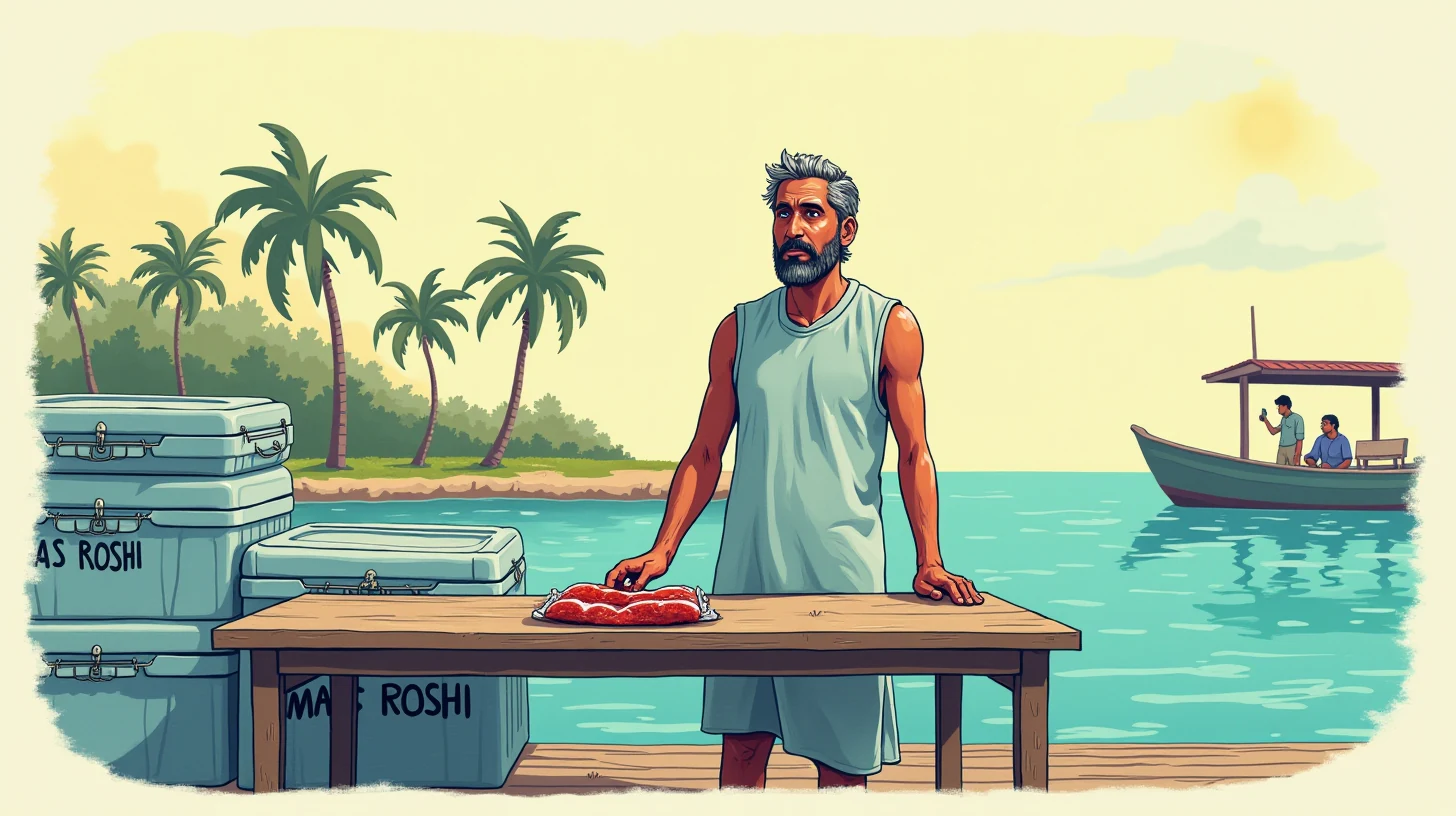
In 2016, during the monsoon, he watched his aunt salt and slow-cook leftover tuna in a spice paste—turmeric, chilli, coriander, onion, coconut. She called it Mas Roshi, the old island way. He tasted it. It lasted three weeks in the clay pot without spoiling. He asked her to teach him.
By 2018, he had a small wooden table, a cast-iron pot, a notebook, and a vacuum-sealer his brother sent from Kochi. He bought tuna at the cooperative price, processed it in the afternoons, sealed it in plastic, and sold it to the island grocery. Twenty packs a week. By 2020, he sold two hundred packs a month—to homes on Kavaratti, to the small market on Agatti, to a dhaba on Minicoy. Word reached the coconut-oil exporter in Kochi. The exporter asked if Yusuf could supply restaurants on the mainland. Yusuf said yes. He had no idea what he was signing up for.
The first order came in April 2023: two hundred packs to a restaurant chain in Kochi. Yusuf packed them in insulated coolers, arranged a freight company, and sent them. The restaurant owner paid. By June, he had signed three restaurants. By September, his vacuum-sealed Mas Roshi was in five Kochi establishments. His monthly processing rose from twelve kilograms to forty. His income, which had been ₹35,000 from island sales, rose to ₹1,65,000 with the Kochi contracts combined.
Then came the invoice from the freight company. A tax bill. A surcharge for something called IGST.
🗓️ The inter-island rhythm
Lakshadweep is an Indian union territory—a cluster of coral atolls scattered across 400 kilometres of Arabian Sea. Twelve inhabited islands. No bridges. No highways. Supply reaches them by ship or aircraft. The main supply point is Kochi, on the Kerala mainland 400 kilometres away.
Yusuf had held a small-business FSSAI Registration since 2019—required for food processing, valid three years, cost ₹100. The registration certificate said: "This food business is registered under the Food Safety and Standards (Licensing and Affiliation) Regulations, 2011, for turnover not exceeding ₹12 lakh per annum." He was well under that threshold. The registration was legitimate.
He had no GST registration. For years, he did not need one. The island sales—packs bought by families, by the grocery, by small dhaba owners—were below the turnover threshold. Small food businesses on Lakshadweep do not file GST. No one asks them to.
When the Kochi restaurants began ordering, Yusuf did not think about GST at first. The restaurant owners were handling their own invoicing. He was simply selling them Mas Roshi. He placed the order, they paid, he shipped. His aunt helped him fill the vacuum packets. No forms. No registration. Just work.
But the freight company—a registered GST dealer based in Kochi—wanted to know his business status. "Are you registered for GST?" they asked. Yusuf said, "No, I'm small-business FSSAI only." The freight operator said, "Then I will file the GST as inter-state supply. IGST will be added to your shipping."
Yusuf did not understand. Inter-state? Lakshadweep to Kerala was a ship route, not a state border. But the freight operator was certain. "You are shipping from Lakshadweep to Kerala. That is inter-state. Eighteen percent IGST on the freight and the goods."
The first shipment cost ₹8,400. The IGST surcharge was ₹2,040—not on the freight alone, but on the assessed value of the packed goods and freight combined. Yusuf paid it because he had no choice. The second shipment, a month later, cost ₹12,600. IGST surcharge: ₹2,844.
By December 2023, Yusuf had paid ₹18,400 in IGST surcharges across seven shipments. His net income from the Kochi restaurants had risen to ₹1,65,000 gross, but after the hidden GST, it was ₹1,38,000. The surcharges were eating his margin.
He did what any processor would do. He asked the restaurant owners if they could absorb the GST difference. They said no. They were already paying his higher margin than other tuna suppliers. If he raised prices, they would buy from Kochi itself.
So Yusuf stopped shipping to Kochi in January 2024. He returned to island sales only—two hundred packs a month, ₹35,000 income, the same as before the mainland dream. His vacuum-sealer sat on the table. His notebook—where he had dreamed of fifty restaurants, a hundred restaurants—gathered dust.
- ⚙️
2018–2020 — Island scaling
Yusuf learns vacuum-sealing from his brother, processes tuna on the Kavaratti jetty, and grows to 200 packs per month sold to island groceries and dhabas. No GST registration needed; income steady at ₹35,000/month.
- ✈️
April 2023 — Mainland export begins
The Kochi coconut exporter connects Yusuf to five restaurant chains. Orders surge to 40 kilograms tuna per month. Income jumps to ₹1,65,000/month (gross). Yusuf assumes the existing FSSAI small-business Registration is sufficient.
- 💸
Mid-2023 — Freight GST surcharge discovered
The Kochi freight operator insists on charging IGST (18%) on shipments from Lakshadweep to Kerala, claiming inter-state supply. Yusuf pays ₹18,400 in GST surcharges across seven shipments by December. Net income collapses to ₹1,38,000.
- 🛑
January 2024 — Return to island-only sales
Unable to absorb the hidden tax or raise prices without losing restaurants, Yusuf stops exporting to Kochi. Returns to 200 packs/month at ₹35,000 income. Business stalls.
⚠️ What very nearly happened
By February 2024, the strain was visible. Yusuf's wife, Aisha, had stopped helping him pack on Saturdays. His cousin, who had worked part-time processing, took a job at the island tourism office instead. The vacuum-sealer, which had represented possibility just a year before, began to feel like a monument to failure.
What nearly happened was worse than the lost income.
In March 2024, a GST auditor visited Yusuf's processing table on the jetty. This happens rarely on Lakshadweep—the islands are small, the tax base is smaller—but it happens. The auditor had a list of businesses that had filed unusual transaction patterns. The Kochi freight company's records showed seven shipments consigned to restaurants in Kerala, paid for by those restaurants, with no GST invoice issued by Yusuf.
The auditor asked: "You shipped goods to Kerala without a GST registration? Without an invoice? Without filing a return?"
Yusuf said, "I was told it was inter-state supply, with IGST to be paid by the freight company."
The auditor said, "The freight company cannot file GST on your behalf. You need a GST registration number. Without it, these seven shipments are flagged as unregistered supply."
What nearly happened: a GST demand notice. Under the rules, a food processor shipping across state lines without a registered GST number faces penalties up to ₹10,000 per violation, interest on the unpaid GST, and a potential mismatch notice to the restaurant owners (who claimed the input GST credit). The cascade could have been ₹1,80,000 in penalties and interest, plus loss of the restaurant relationships entirely.
Yusuf did not know what to do. He called the restaurant owner who had introduced him to the Kochi market. The owner said, "Go to an accountant in Kochi." Yusuf asked his brother for a recommendation. His brother said, "Get a GST account set up online, file the returns retroactively, settle the liability."
No one explained the actual rule to him. No one said: "Yusuf, Lakshadweep is an intra-UT boundary. You are not crossing a state line. The supply place is where the goods are located when they cross the UT boundary—which is Kavaratti, where you are—not Kochi, where they arrive. The freight route does not change the supply place. You should not owe IGST at all."
🌗 What changed
In April 2024, Yusuf's brother brought a tablet to the island. He said, "Use this. There is an AI thing that explains GST to food people." The tablet had GabFORGE installed.
Yusuf was sceptical. He had no trust in government websites. He had tried calling the local FSSAI office once to ask about the State License upgrade path; no one answered. But his brother insisted. "Just type what happened. Ask the tablet about the GST."
Yusuf sat at his table on a Tuesday morning, the lagoon quiet behind him, and typed in Malayalam: "ഞാൻ ലക്ഷദ്വീപിൽ നിന്ന് കൊച്ചിയിലേക്ക് ഭക്ഷ്യ പാക്കേജ് അയയ്ക്കുന്നു. ഫ്രെയിറ്റ് കമ്പനി ഐജിഎസ്ടി ഈടാക്കുന്നു. എന്നാൽ ഈ ഉത്തരവാദിത്വം എന്നിലാണോ?" (I send food packages from Lakshadweep to Kochi. The freight company is charging IGST. Is this responsibility mine?)
The agent replied, in Malayalam first:
"ലക്ഷദ്വീപ് ഭരണപ്രദേശത്തിന് ആന്തരിക അതിരുകൾ മാത്രമാണുള്ളത്. കെരളത്തിലേക്കുള്ള കയറ്റുമതി അന്തർരാജ്യ സാധനമായി കണക്കാക്കപ്പെടുന്നു, പക്ഷേ ഉത്സ ഗ്സ്റ്റിനെ നിയന്ത്രിക്കുന്ന നിയമ ആർട്ടിക്കിൾ 12 വായിക്കണം. സാധനങ്ങൾ സ്ഥിതിചെയ്യുന്ന സ്ഥലം—അതായത് കവരത്തി—ആണ് 'വിതരണ സ്ഥാനം'. കൊച്ചി എത്തിച്ചേരൽ സ്ഥാനം ഇല്ല. നിങ്ങൾ ആന്തരിക വിതരണത്തിന് യോഗ്യൻ. IGST ബാധ്യത നിങ്ങളിൽ ഇല്ല. ഇതെല്ലാം എഴുതിയ നിങ്ങളിൻ്റെ ഫ്രെയിറ്റ് ഭരണത്തോട് സംസാരിക്കുക."
(Lakshadweep is a union territory with only internal boundaries. The shipment to Kerala is inter-state, but read Article 12 of the GST law. The "place of supply" is where the goods are located—Kavaratti, where you are—not the destination in Kochi. You are eligible for intra-UT supply. You should not owe IGST. Write all of this down and speak to your freight company.)
Yusuf read it again. Then he opened the GST portal the agent showed him. Article 12, Section 3(b): "The place of supply of goods, other than goods sent on approval, is the location where the goods are at the time when transport of goods terminates."
Terminates. The goods terminate their transport in Kochi, not on the freight ship, not in the middle of the sea. The place of supply—where the liability is determined—is Kavaratti.
The agent then walked Yusuf through the actual supply-place rule step by step.
Freight operator's logic
IGST charged: 18%Because the goods cross from Lakshadweep (UT) to Kerala (state), it is inter-state supply. IGST applies. The freight company calculates GST on the goods + freight as inter-state.
GST Article 12 (actual rule)
No IGST dueThe place of supply is where the goods are located when transport terminates: Kavaratti (UT). The destination (Kochi) is irrelevant to place-of-supply determination. Intra-UT movement; UTGST applies only if Yusuf was registered.
Impact on Yusuf
Liability revertedYusuf should not owe IGST surcharges. The ₹18,400 paid in 2023 was misfiled. The GST liability is zero (as an unregistered small business) or UTGST only (if he registers).
Yusuf printed the rule. He called the freight company. He read it aloud to the operator. There was silence. Then the operator said, "I will need to check with our GST team."
Two weeks later, the freight company sent Yusuf a letter: "We have reviewed Article 12 and the place-of-supply rules. Your shipments are intra-UT movement and do not attract IGST. We have refiled the GST declarations for shipments in 2023 and are processing a reversal of ₹18,400 in surcharges to your nominated bank account."
The refund took six weeks, but it came. ₹18,400, deposited on a Thursday morning in June 2024.
"ടാബ്ലെറ്റ് കൃത്യമായി പറഞ്ഞു: നിന്റെ കർത്തവ്യം നിന്റെ സ്ഥലത്തിനാണ്. അത് കൊച്ചിയിലെ കടയുടെ കര്താവ്യമല്ല."— The tablet said exactly right: your duty is to your place. Not to the shop in Kochi.
🧭 Why we built it
Yusuf's story is not unique to tuna curry makers. It repeats across every intra-UT movement of goods—spices from Puducherry to mainland Tamil Nadu, handicrafts from Lakshadweep to Kochi, dried fish from Andaman to port cities on the mainland. The supply-place rule in Article 12 is unambiguous in the GST law. But it is rarely explained to small businesses because they do not have accountants. They have a table, a scale, and customers.
The rule is even less explained to island processors. Lakshadweep has no GST infrastructure. The islands have one municipal office, one cooperative, one school, one clinic. There is no GST helpline. There is no chartered accountant in six of the twelve inhabited islands. When a freight company insists that a Kerala destination means inter-state GST, the processor has no local recourse.
What failed Yusuf was translation. The law is written for lawyers. The freight operator is trained to apply rules as written. The processor is trying to make a living. None of them speak a common language.
This is what GabFORGE does. It reads the statutory rule—Article 12, the definition of supply place—and it translates it into Malayalam and into Yusuf's experience. It does not pretend the law is different. It does not say, "You do not owe GST." It says: "The law says the place of supply is where the goods are when transport terminates. You are in Kavaratti. That is the supply place. Now here is who to contact to fix the refund."
Yusuf still cannot claim input tax credit on his ingredients. He is a small-business FSSAI registrant, not a State License holder. He could upgrade to GST registration if he wanted to, which would open input credit on spices, salt, and packaging—a margin gain of about 5%. But he is thinking about it slowly. He is not yet ready to become a formal MSME. He just wants the exports to work.
What changed is that when the rules are unclear, Yusuf now has a way to read them. Not through a Google search, not through a WhatsApp group, not through a middleman who charges ₹500 for a form. Through a tablet that speaks his language and quotes the law.
And once the rule is clear, the freight company has no choice but to obey it. The law is the law. It just needed to be decoded.
🌱 What we hope happens
Yusuf is processing one hundred and fifty packs a week now—back toward his 2023 volumes, carefully. The Kochi restaurants have begun ordering again, now that the hidden GST is gone. His margin is steady. His wife Aisha has returned to helping on Saturday afternoons. His cousin is back part-time.
He is thinking about the next step. The PM FME scheme offers ₹10 lakh in subsidies to micro food processors. With that money, he could buy a small commercial freezer, upgrade the vacuum-sealer, add a backup generator for the monsoon. He could formalize under MSME Udyam—a free certificate that unlocks priority sector lending and digital marketplaces.
But he is taking it slow. One rule at a time.
The hope is not that Yusuf becomes a corporate food exporter. The hope is that he does not have to guess. That when the rules change, he can read them in Malayalam. That when a freight company or a tax officer makes a claim, he can verify it. That the gap between what the law says and what the operator understands—the gap that nearly destroyed his business—grows smaller.
On the Kavaratti jetty, on a Tuesday morning, with the lagoon calm and the boat nets drying on the posts, Yusuf can open a tablet and ask a question. The tablet speaks back. The rules become clear. The work continues.
That is enough.