
The Leh thukpa café and the seasonal-renewal trap
Stanzin is thirty-six years old. She lives on Changspa Lane in Leh, Ladakh, in a narrow stone house built three stories high in the style that Leh's old town required before the roads widened. The house — inherited from her father's side, as property in Ladakh passes — has two front rooms: one is her café, the other is a storage room for the barrels of momos dough she prepares twice a week in the October-to-May off-season and freezes for the summer. The kitchen is a single wood-fired clay stove, coal-heated in the short months before she closes it down. It is this stove that defines her calendar.
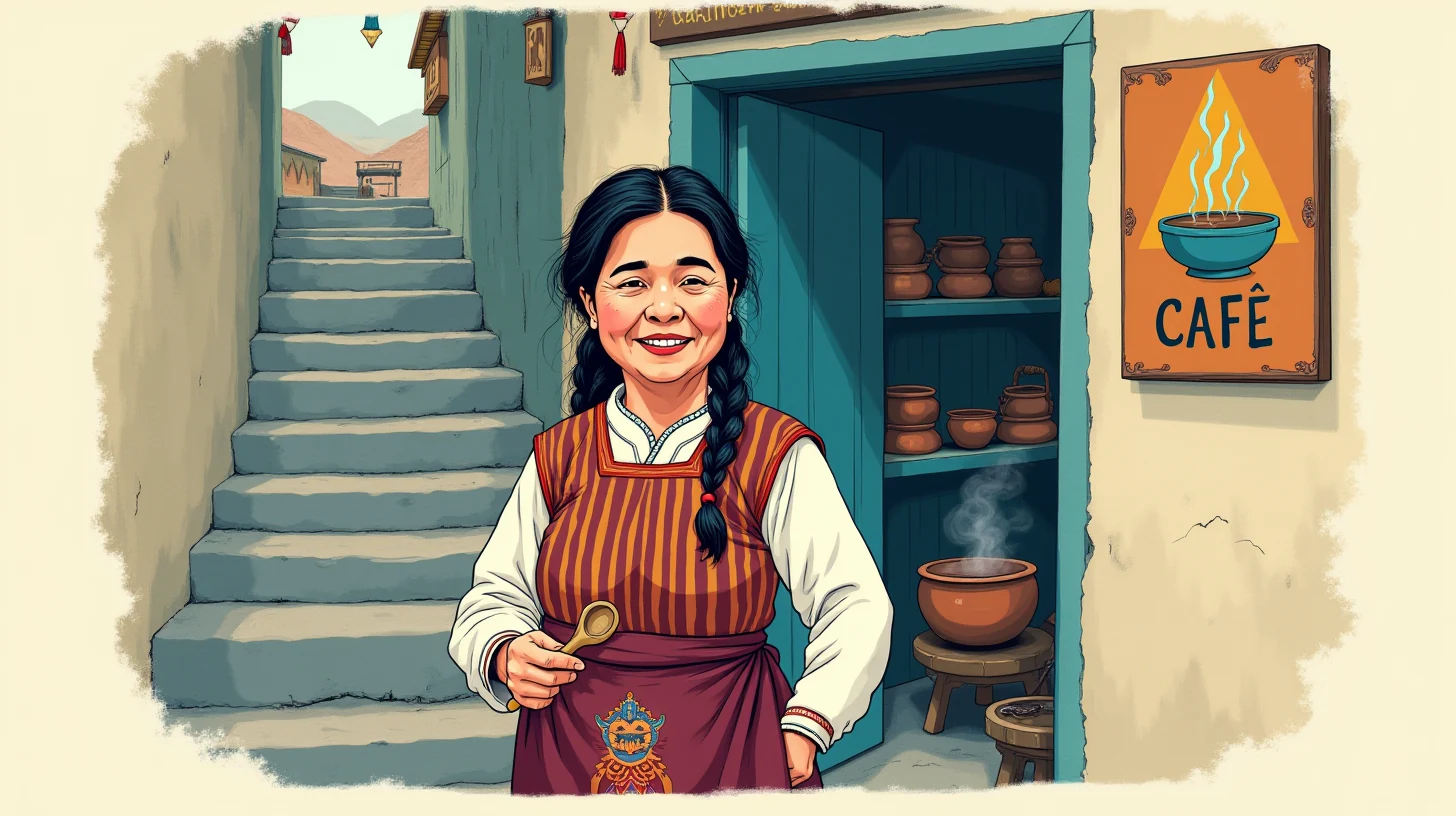
She was born in Leh in 1990, when her father was a government schoolteacher, and she grew up speaking Ladakhi at home and English with tourists on Leh's Main Bazaar. In her twenties she worked as a guide and a trekking-lodge cook in Nubra Valley, and at twenty-eight she married Tenzin, who works for the government's Department of Rural Development, managing agricultural extension in the Nubra block. They have two children — Tashi is twelve, at boarding school in Srinagar; Nima is eight, at a day school on Changspa Road. In winter, Stanzin closes the café, packs the barrels, and moves to Tenzin's parents' house in Manali. It is warmer. The schools stay open in Nubra. Tenzin's mother is elderly and needs help with the household. This is understood.
The café runs on the rhythm of the Leh tourist season: a hard opening in late May when the passes clear, maximum volume in July and August, a taper through September, and a complete closure by early October. On a good July day she serves eighty to ninety meals — mostly thukpa (hand-pulled noodle soup), some momos. Most customers are Indian tourists (₹80 for a thukpa, ₹40 for six momos), some are foreign trekkers (she charges the same). Her gross from the six months is roughly ₹5–₹6 lakh. Costs are high: barley and lentils bought fresh in May; momos filling — spinach, cheese, potato — three times a week; labor for Tenzin's teenage cousin Yousuf, who helps in the kitchen during peak season; fuel for the wood stove. Margin is tight.
What makes the seasonal model work financially is that winter is free. She pays no rent because the house is hers. She pays no salary because Yousuf is family. She buys little because she cooks from the frozen momos and stored grain. But the government does not see six months. The government sees a food business, and a food business must have licenses that are annual, complete, and continuously valid. FSSAI, PCB, trade license, GST — each renews once per year. Each costs money. Each is required. And each arrives in an envelope or a portal notification at the moment when Stanzin is in Manali, with no internet in her in-laws' house, and the winter is long.
🗓️ The annual ritual
In India, a food business operating at any scale must hold three primary authorizations: an FSSAI food safety license (registration or state license, depending on turnover), a Pollution Control Board consent (PCB), and a municipal trade license. These are three separate authorities, three separate portals, three different renewal dates. For a business that operates twelve months a year in a city, this is manageable. For a business that operates six months a year in Leh, Ladakh — a place where winter descends at 9,500 feet and the owner must leave — it is not manageable. It is a trap that is never called a trap.
Stanzin's café had been operating for eight years on borrowed compliance. She would open in June with last year's FSSAI registration — the one that had lapsed in February but had not been checked — and the authorities would not inspect until July or August. By the time an inspection might have happened, she knew the health officer, and he knew that the renewal notice had come in winter when she was not here. It was understood, quietly, that the license was on paper late. In practice, it was fine. A food officer in Leh is not hunting people who make thukpa. He is hunting the ones who leave chicken in the sun for three days.
But understanding is not the same as compliance, and Ladakh is cold enough that things do not stay understood forever.
In February 2025, Stanzin was in Manali at her in-laws' house, three kilometers outside town in a place where cell signal was patchy and internet required a walk to the market. The FSSAI auto-renewal reminder for her registration came to an email address she had never checked — she had given it to the registration portal when she opened five years prior but had forgotten. The renewal window was sixty days. The notification went unopened. On March fifteenth, the auto-renewal option expired. The registration lapsed. She would have to re-apply from scratch — a process that takes two to three weeks, costs ₹100, and requires in-person submission at the FSSAI office in Leh. She was in Manali.
She did not know the registration had lapsed until June, when she reopened the café and a routine morning visit from the health officer's assistant turned into a "you cannot serve until this is resolved" conversation. The FSSAI office in Leh was three hundred meters away and open 10 a.m. to 4 p.m. Stanzin had to take a full day off mid-June, the season's busiest month, when Yousuf could not manage the stove alone, to walk to the office and file a new application. The officer — a woman named Dolkar, who remembered her from years past — said the new registration would be issued in five working days. Stanzin reopened on day six.
- ⏰
January 2025 — FSSAI renewal window opens
Stanzin's FoSCoS registration entered the 60-day auto-renewal window. An email reminder was sent to the address she gave five years ago and has never checked.
- 📨
February — No internet in Manali
Stanzin is in her in-laws' house 3 km outside town, where internet requires a walk to the market. The email goes unopened.
- 🛑
March 15 — Registration lapses
The 60-day auto-renewal window closes. The FoSCoS registration is no longer active. Stanzin does not know yet.
- ⚠️
June 8 — Health officer's visit
A routine inspection in peak season reveals the lapsed registration. Stanzin must close for a full day, lose ₹2,200 in revenue, and reapply. New registration issued in five working days.
She did not tell Tenzin the full story of that day. She had told him the house was cold and her mother-in-law's arthritis was flaring, so she stayed in Manali until late March. She did not say: I had to explain to a health officer why my café was not legal, in the busiest month of my year, because I was somewhere else.
What very nearly happened was routine. She would lose another day to renewal next year, or miss the deadline entirely and have to close for a week while a new registration was processed. The trap is built into the calendar: the government issues renewals in winter; the seasonal operator is not in the state; the deadline expires; the business reopens unlicensed or relicensed at tremendous cost.
⚠️ What very nearly happened
The following year, in February 2026, the same sequence began. Stanzin was in Manali. The renewal notice came to her email. She did not see it. Tenzin's cousin's wife — a woman named Dorje, who works at a small NGO in Leh — had visited in early December and had seen the café's operations. She had asked, lightly, if the licenses were current. Stanzin said they were fine. They were not fine. They were a year old, and the renewal window was closing.
Dorje had a tablet. On one of her visits home in March, she suggested — not as a problem, but as a thought — that Stanzin could look at an agent on the tablet. The agent might know about seasonal business licenses. Stanzin had heard of AI in vague terms — something about the phone now talking — but had never used it. She agreed more to be polite than to expect anything.
"ལ་དགེའི་ལས་ཀ་ཞིག་ལ་ སྐར་མ་ གཅིག་པོ་ འོང་སྟེ། དེ་ཡི་ དུས་ཚོད་ མི་སྒྲིག་ གི་ ཡོད། ང་ ཞོ་ བཟོ་ དགེའི་ ཞིབ་འཇུག་ དེ་ དེ་ ཧ་གོ་ ཡོད་ པའི་ གནས་སུ།"
(I have a café — it is good work, but the schedule keeps breaking. And I am trying to understand the food-safety check; I do not know what they are asking.)
Dorje set the tablet to Ladakhi and showed Stanzin how to type. Stanzin asked, slowly, about the inspection that had happened in June.
The agent checked the FSSAI FoSCoS portal, cross-referenced Stanzin's registration history, and replied:
"སྟེན་འཛིན་ ཞེ་དྲག་ གི་ སེམས་མ། ཁྱེད་རང་གི་ ལས་ཀ་ ནི། དགེ་ཆེན་ གི་ དྲུ་ལྡེ་ (seasonal business) ཞིག་ ཡིན། ལས་ཀ་ དེ་ ཆེ་གེ་ བསྡུ་ དུས། ཁྱེད་ ཡུལ་མ་ ནས་ མ་ལོན་ གི་ ཡོད། FSSAI ན་ དེ་ ལ་ 'advance renewal' ཞེས་པ་ གླེང་སྟེ། ཁྱེད་རང་ལ་ དུས་ཚོད་ མང་པོ་ འོང་སྟེ། ཁྱེད་ ༡༢ ཟླ་བ་ སྔོན། རམ་ འོ་ དེ་ ༦ ཟླ་བ་ སྔོན་ ལ། ཁྱེད་ ལོ་ ཆུང་ གི་ དུས་ཚོད་ རོགས་ ཡོད། ཁྱེད་ ཇུན་ ལ་ མགོ་ ཆུ་ མི་ དགེའི་ ཏེ།"
(Stanzin, this is important. Your café is a seasonal business. When your busy season ends, you will be elsewhere. FSSAI knows this — they have a procedure called 'advance renewal.' You can renew your registration two to three months early, when you are still here, before you leave for the winter. Your June opening will be on a current, valid license. Not on a lapsed one that you have to fix mid-season.)
Stanzin read this twice. It said there was a procedure, a word (advance renewal) she had never heard, and a sequence she could control instead of a deadline that surprised her.
The agent walked her through the FoSCoS portal — a site she had not visited since her original registration five years ago. The advance-renewal option was there, in the Hindi language dropdown, and also in English, but not obviously marked as being for seasonal operators. Once you knew to look for it, it was available: renew up to ninety days before the expiration date. The agent explained, in Ladakhi:
"ཁྱེད་ གཉིས་པོ་ གླེང་དགོས། ༡། FSSAI registration — དེ་ སེང་ གི་ ཟླ་བ་ ༤ ༌༥ ཟླ་བ་ ལ། ༢། PCB consent — དེ་ ཉིན་གུ་ རམ་བ་ ༡༤ ཟླ་བ་ ལ། ༣། Trade license — དེ་ ཉིན་གུ་ རམ་བ་ གཅིག་ སྔོན་ གི་ ༠༦ ཟླ་བ་ ལ། ཁྱེད་ ༥ ཟླ་བ་ ཆེ་ གི་ དུས་ ལ། ཁྱེད་ རམ་བ་ ༤ ཟླ་བ་ སྔོན་ ལ། advance renewal དེ་ གཙོ་ བོ། ཁྱེད་ དེ་ ཇུན་ བྱིན་ གོང་། ཁྱེད་ ཐོ་གོང་ གི་ དུས་ཚོད་ རོགས་ མི་ དགེའི་ ཏེ།"
(You have three renewal dates to track. One: FSSAI registration — renews five months from now. Two: PCB consent — renews December 14. Three: Trade license — renews in six months. Since your business is six months long, what matters most is: advance-renew the FSSAI registration four months from now, in May, before you leave. That way when you reopen in June, everything is current.)
The agent created a calendar in Ladakhi on the tablet:
- May 5, 2026 — Go to FSSAI office in Leh, advance-renew FSSAI registration for 2026–27. (₹100, five minutes)
- October 1, 2026 — From Manali, email the Leh municipal office, renew trade license online. (₹200, can be done remotely)
- November 15, 2026 — Go to Leh PCB office, renew PCB consent for 2027. (₹500, in-person)
Stanzin had never heard anyone talk about the calendar this way — as something she could shape instead of something that shaped her.
The old way
June crisis + ₹2,200 lostFSSAI renewal notice arrives in February (when she is absent). License lapses in March. She reopens in June on an invalid registration. Health officer inspects; she must close for a day to reapply. New certificate takes five working days. The busiest season loses one full day.
Advance renewal
May visit + ₹100She visits the FSSAI office in May, before leaving for Manali, and advances the 2027 renewal to May 2026. Registration is current for her entire June–September season. No surprise inspections. No loss of business. One visit on her schedule.
Calendar + agent
Three dates, trackedThe agent maintains a reminder calendar in Ladakhi, visible on the tablet. Four weeks before each deadline, a notification. She has time to plan a visit to Leh or email the municipal office. No deadlines expire while she is absent.
She visited the FSSAI office in Leh on May fifth. Dolkar — the officer who had processed her emergency reapplication in June the year before — recognized her. Stanzin explained: she would be in Manali from October to May. She wanted to renew now, for the 2026–27 term. Dolkar asked if she was closing the café in winter. Stanzin said yes. Dolkar said: that is the procedure we are supposed to use. She had helped fourteen other seasonal operators this year — a cloud kitchen that operated from a Leh office March to October, a guest-house café in Nubra Valley, a wedding-catering woman from the Ladakh Chamber of Commerce. All had realized, only when it was too late, that the calendar was against them. The advance-renewal option was there for exactly this reason. It was not used often because most operators did not know it existed.
The registration was renewed in twenty minutes. Dolkar printed a new certificate dated May 6, 2026, valid through May 5, 2027. Stanzin opened the café in June on a current, valid, un-suspicious registration. No health officer visited. The season was clean.
What it does
- 🔍Identifies that Stanzin's business is seasonal and that the FSSAI, PCB, and trade license have misaligned renewal dates.
- 🗂️Surfaces the advance-renewal option in the FoSCoS portal, which exists but is not advertised and is not obvious to someone who has used it only once, five years ago.
- 📞Creates a calendar in Ladakhi showing Stanzin exactly when to visit each office, what to bring, what each renewal costs, and crucially — four weeks' notice before each deadline.
What it does not do
- 🔒Never enters her registration password, UAN, or login credentials — Stanzin herself navigates the FoSCoS portal and watches the advance-renewal option appear.
- 💳Never pays fees, submits forms, or files renewals on her behalf — each visit to the FSSAI office, each email to the municipality, is initiated and confirmed by Stanzin.
- ✅Never decides which procedure applies — it shows her the calendar and the options; Stanzin and the food officer confirm the path.
🌗 What changed
What changed was simple and ordinary. Dorje mentioned the tablet. Stanzin asked a question. The agent read the FoSCoS portal — a site she had not studied carefully — and found the procedure that was written but not visible. It connected a calendar. The calendar connected Stanzin's winter absence to a specific visit in May instead of a crisis in June.
That is all. No disruption to her life. No new software. No integration with the government. The tablet sits in the storage room on Changspa Lane, where Tenzin's cousin Yousuf charges it when the season starts. The agent is set to Ladakhi. When the reminder comes in April for the May visit, Stanzin reads it. She plans the afternoon. She goes.
The change is this: she is no longer managing by luck. The trap is still there — winter is still winter, the renewals still happen on the government's calendar — but she is no longer surprised by it. She can see the deadline four weeks in advance. That is the entire difference between a seasonal business that survives and one that is always slightly illegal.
🧭 Why we built it
There are approximately 1.2 million seasonal businesses in India — tourist-dependent establishments in Leh and Nainital and the Nilgiris, hill-station restaurants that close in monsoon, summer camps in Kashmir, trekking lodges that operate March to October, pilgrimage-site eateries that swell during the mela season. They are not a small segment. They are a structural feature of the Indian economy. And every single one of them is trapped by the same mechanism: three government authorities with annual renewal cycles, zero coordination between them, and a business that does not stay in the same place for twelve months.
The bureaucratic solution would be to change the system: create seasonal license categories, synchronize renewal dates, allow remote renewal where possible. That is the right solution. That is also a solution that requires coordination between the FSSAI, state PCBs, state municipalities, and the central government, and it will not happen by next tourist season. It might not happen by 2030.
What can happen now is this: a seasonal operator can use the procedures that already exist. The FSSAI's advance-renewal option is real. The trade license can be renewed remotely in most states. The PCB consent can be processed in batches at the start of the season. These procedures are in the rules. They are documented. They are ignored because no one tells the operator that they exist.
"ང་ཞོ་བཟོ་ ནི། དེ་ གླེང་སྟེ། གཞི་ ཆེན་ གོ་ མི་ ཐུབ་ ཞིབ་འཇུག་ དེ་ མི་ གཤེགས་ གི་ བྱེད། ང་ ཞོ་ ཞིབ་ འཇུག་ སྒྲུབ་ གི་ ཡོད། ཞོ་ གཏོང་ མི་ ཐོགས་ སུ།"— I make thukpa. That is my work. I do not understand big government. The health office comes; I show them the kitchen. I feed people. I do not stop because the forms are confusing.
Stanzin is not unusual. Most seasonal food businesses are run by women — café owners in hill stations, wedding caterers in Himachhal Pradesh, pickle-makers in Uttarakhand who operate from June through October, guest-house cooks in Meghalaya who close during monsoon. Many have never seen the FoSCoS portal because they opened before the online system existed and have renewed in person ever since, on a path that worked until the calendar shifted. Many do not know that advance renewal is possible because the feature exists in the portal, visible to someone who is looking for it, invisible to someone who was never told it was there.
The trap is not malice. The trap is indifference. The government has built systems for businesses that stay put. For businesses that move with the season, the government has built the same systems and left the operator to notice that something does not fit.
🌱 What we hope happens
In August 2026, Stanzin received an alert four weeks before the October trade-license renewal. The alert was in Ladakhi, on the tablet, with the exact URL for the municipal portal and a line that said: "You can do this by email from Manali." She did it by email. The certificate arrived three weeks later. In October she did not have to leave Leh for a visit to the municipal office. She did not have to leave mid-season. She had already gone.
What we hope happens is this: that a seasonal operator learns, once, that the calendar is a tool she can manage. Not a trap. A tool. That she does not see it as: "The government is confusing and I have to guess." She sees it as: "In May, I visit the FSSAI office. In September or October, I email the municipality. In November, I visit the PCB. That is the whole thing." And that in the moment when the inspector arrives — as inspectors do arrive — she does not feel the old scramble. She is current. She is legal. She is running a business that feeds people, and the licenses are not the news of the day.
Most importantly: we hope she tells the other seasonal operators on Changspa Lane. Dorje is already seeing it. The catering woman knows. And slowly, quietly, a calendar spreads that is not visible in the FoSCoS portal, but lives on tablets and in Ladakhi and in the understanding of operators who stopped being surprised by February.
There are 1.2 million seasonal businesses. There are 1.2 million moments when a renewal deadline lands while the operator is somewhere else — in Manali, in a pilgrimage site, in a city where they are visiting family. For most of them, no one will ever tell them that advance renewal exists. For a few of them, someone with a tablet will show them, and the rest of the year will be different. Not transformed. Just different. The café stays open in June. The thukpa keeps cooking. The trap is still there, but this time the operator saw it coming.