
The Puducherry baker and the dual-cuisine GST audit
Vinay had been baking on Rue Bussy, in the heart of Puducherry's French Quarter, for nineteen years. The street curved gently past colonial-yellow storefronts and arched doorways that had seen tourists come and go in waves since he was a boy. He came to the bakery at five in the morning. By six, the ovens were warm. By seven-thirty, the croissants were golden. By eight, the first customers arrived—French expats wanting their pain au chocolat, Tamil families wanting their masala dosa-bread stuffed with potato and mustard, students wanting strong filter coffee with a palm-sugar edge.
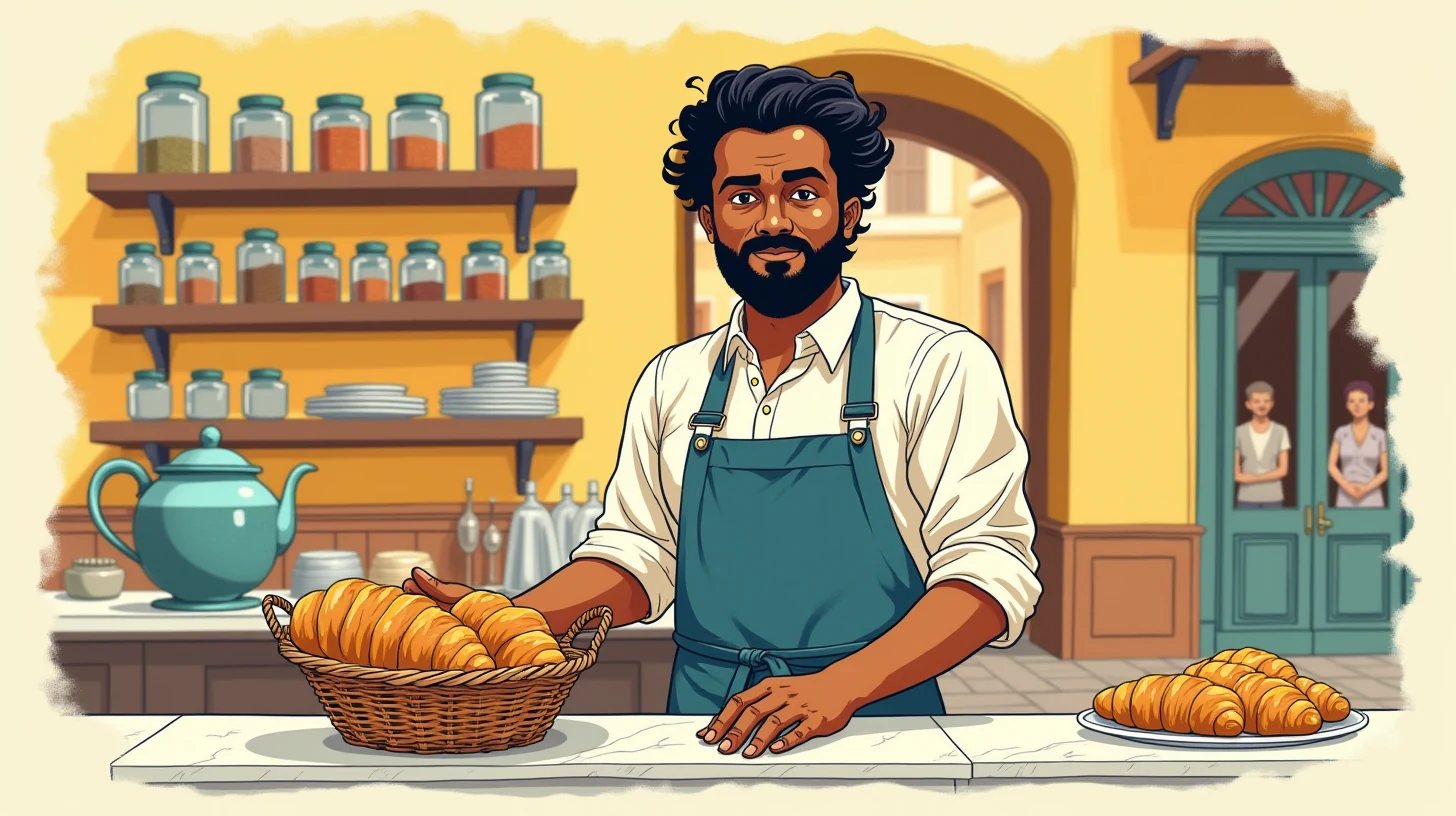
Vinay had never thought about GST rates. He had never thought about ITC—the input tax credit that the government allowed on ingredients. He had never thought about what made a thing a "bakery supply" and what made it a "composite meal." He had only thought about the ovens, the flour, the butter, the spices. His accountant, a friendly man named Rajagopal who had an office above the tailor's shop on the same street, filled out the quarterly GST forms. Vinay signed them. Life continued.
The audit notice arrived on a Tuesday in March. It was typed in English, formal, demanding. ₹4.2 lakhs.
The letter said he had underpaid GST on composite supplies. The croissants were bakery—5% GST, no ITC. The masala dosa-bread was a prepared food with cooked filling—18% GST, composite supply, no ITC on the dough. The filter coffee was prepared food—5% GST, no ITC. But Vinay had filed everything at 5% for three years. The auditor said he owed ₹4.2 lakhs in back tax, penalty, and interest. Rajagopal was silent when Vinay called. "We will see," he said.
There was another problem. Vinay bought his flour from a mill in Karaikal, a town thirty minutes south that was technically Puducherry UT. He bought butter from a dairy cooperative in Cuddalore, which was Tamil Nadu. The auditor's letter mentioned "inter-state ITC eligibility" in a footnote that Vinay did not understand. If he claimed ITC on the flour and butter, did he owe additional tax because they crossed the state border? The letter did not say. Rajagopal did not know.
Vinay had two weeks to respond.
🗓️ The annual ritual
For nineteen years, Vinay's bakery had run on a simple rhythm. He bought flour in 50-kilogram sacks from Karaikal. He bought butter in 5-kilogram blocks from Cuddalore. He paid cash, received a receipt or sometimes just a handshake, and baked. Every quarter, Rajagopal would ask him, "How much did you sell?" Vinay would think back, estimate, and tell a number. Rajagopal would type it into a form, GST would be calculated at 5%, and that was that.
The rhythm had worked because Puducherry's tax system was informal. Tourists did not ask for receipts. Locals paid in cash. The bakery had no point-of-sale system. It was him, a counter, a register with rupee notes and coins. The system Rajagopal used—estimating turnover and filing quarterly—was not unique. It was how most small food businesses in Puducherry operated.
But GST had changed the game in ways Vinay did not understand. GST rates were not simple percentages; they were conditional. A croissant sold to a customer at the counter was a bakery supply taxed at 5%. The same croissant, if it came with a meal or service—if it was part of a "composite supply"—became something else. A masala dosa-bread, because it was dough plus a cooked vegetable filling, was inherently composite. The tea or filter coffee sold alongside food was also composite. These were taxed at 18%. But if you bought the dosa-bread alone and the coffee alone and charged separately, they stayed at 5%. Or maybe 5% for the bread and 18% for the coffee. Vinay was not sure.
The auditor's letter had itemized his menu:
- Croissant: 5% (bakery, prepared—no ITC on ingredients)
- Pain au chocolat: 5% (bakery, prepared—no ITC)
- Baguette: 5% (bakery, prepared—no ITC)
- Masala dosa-bread: 18% (composite supply: cooked filling + dough, no ITC)
- Masala paratha: 18% (composite supply: cooked filling + bread, no ITC)
- Aloo poori: 18% (composite supply: cooked filling + fried bread, no ITC)
- Filter coffee: 5% (prepared non-AC—no ITC)
- Cappuccino: 5% (prepared non-AC—no ITC)
- Idly: 5% (prepared non-AC—no ITC)
The auditor had calculated that Vinay should have filed at these rates. Instead, he had filed everything at 5%. For three years, he had owed 13% GST on nine items that should have been at 18%. The liability was ₹4.2 lakhs.
But there was a second layer. Vinay bought flour from Karaikal (Puducherry UT) and butter from Cuddalore (Tamil Nadu). These were inputs used to make the final products. Normally, GST allowed ITC—you paid tax on the flour, then claimed that tax back as a credit against the GST you collected on croissants. But Vinay was not claiming ITC at all, because his products were marked as "no ITC" in the GST code. So the question was: even if he was not using ITC now, would claiming it retroactively—and potentially adjusting his rate filings—trigger additional tax on the flour and butter, because they had crossed state/union borders? The auditor had not answered this. Vinay could not sleep.
- 📋
Q1 2023–Q4 2025 — Three-year filing period
Vinay files all bakery items (croissants, coffee, idly) at 5% GST. No distinction between bakery, composite, or prepared-food categories. Rajagopal estimates turnover. Filing is consistent but incorrect.
- 📨
March 2026 — Audit notice arrives
GST auditor flags the discrepancy. Masala dosa-bread, paratha, and poori are composite supplies and should be filed at 18%, not 5%. Demand: ₹4.2 lakhs back tax, penalty, and interest over three years.
- ⚖️
March 2026 — Inter-state ITC ambiguity
Auditor's footnote raises a second question: flour from Karaikal (UT), butter from Cuddalore (TN). If Vinay claims retroactive ITC, does the cross-border nature of the input trigger additional liability? Rajagopal has no answer.
- 🧮
March 15, 2026 — Vinay discovers the agent
A neighbor mentions an AI tool for GST verification. Vinay inputs his menu, suppliers, and the audit notice. The agent maps each SKU to the correct rate, verifies the state-border ITC pathway, and identifies ₹1.8 lakhs in recoverable credit.
⚠️ What very nearly happened
The audit demand was ₹4.2 lakhs. Vinay's monthly profit was roughly ₹45,000—the revenue from 250 customers a day, minus flour, butter, salt, yeast, electricity, and rent. ₹4.2 lakhs was three and a half months of profit. If he paid it all at once, he would have to close the bakery.
If he missed the fourteen-day response deadline, the auditor would move to recovery. The GST law allowed the authority to attach his property, seize his bank account, or even criminalize non-payment as fraud. For a cash business like a bakery, with no formal accounting system and a first-time audit in twenty years, the machinery was not designed to be forgiving.
Rajagopal had suggested compromising. "Tell them you made an honest mistake," he said. "Offer to pay ₹2 lakhs now and ₹2 lakhs in three months." Vinay did not know if they would accept. The auditor had not indicated willingness to negotiate. The letter was typed in the formal tone of a government office that had already decided.
There was a third risk. The inter-state flour-and-butter question was still unanswered. If Vinay responded to the audit by claiming retroactive ITC on his inputs—a legitimate move if his rate filings were corrected—what if the auditor interpreted this as tax evasion, an attempt to falsely claim credit? What if the inter-state inputs triggered an additional penalty for "input tax credit irregularities"? Vinay had read stories online of small businesses whose disputes with the GST office had spiraled into criminal investigations. He was not going to risk that.
The simplest path was to pay the ₹4.2 lakhs, accept the loss, and continue. But that meant closing for three and a half months, laying off his two apprentices, and disappointing the families who came every morning for their bread and coffee.
🌗 What changed
On March 15, Vinay's neighbor Priya, who worked at a tech company in the city, came by with her morning croissant. Vinay mentioned the audit. Priya listened and then said, "Have you tried that new GST agent thing? My colleague used it for her catering business. It mapped out exactly which dishes were 5% and which were 18%." She left a link on his counter.
Vinay had a tablet—an old iPad that his daughter had given him—that he used mostly to check email and look at bank statements. He did not trust software. But the audit was two weeks away, and he had nothing to lose. That evening, after the ovens had cooled, he sat at his small desk in the back room and opened the link.
The agent—a simple form on a white screen—asked him to list his menu items. Vinay typed:
- Croissant (dough, butter, salt)
- Pain au chocolat (dough, chocolate, butter)
- Baguette (dough)
- Masala dosa-bread (rice-flour dough, boiled potato, mustard, chili)
- Masala paratha (wheat dough, boiled potato, spices)
- Aloo poori (wheat dough, potato, spices, deep-fried)
- Filter coffee (ground coffee beans, milk, sugar)
- Cappuccino (espresso, steamed milk)
- Idly (rice-flour cake, steamed)
Then he uploaded his last three GST returns and the audit notice.
The tablet paused for a moment. Then the agent replied, in Tamil:
"உங்கள் 'மசாலா தோசை-பிரெட்' முக்கியமாக வேகவைத்த உருளைக்கிழங்கு மிகுப்பு கொண்ட, இதனால் அவ்வொன்னும் பாக்கெரி அனுபूर्ति அல்ல, கூட்டு சப்ளை ஆக 18% CGST-க்கு உள்ளாகிறது."
(Your masala-dosa bread is primarily a cooked-potato filling with dough, so it is not a bakery product. It is a composite supply subject to 18% GST.)
Vinay read the Tamil slowly. The agent was saying what the auditor had said, but in his language, and with a reason. He continued reading.
"ஆனால் உங்கள் ஒற்றையாக விற்கப்படும் ஆளு பூரியும் மசாலா பரோத்தா, கூட்டு சப்ளை ஆக எண்ணப்படும், 18% GST-ஐக் கட்ட வேண்டும். வடை மற்றும் இட்லி தனியாக தயாரிக்கப்பட்ட கொய்யாவாக, 5% GST-க்கு உத்தரவாக, ITC இல்லை."
(Your individually sold aloo poori and masala paratha are composite supplies and must be charged at 18% GST. Vada and idly are individually prepared foods, charged at 5% GST, no ITC.)
The agent had classified every item. Then it had gone further.
"உங்கள் மாவு கொடுங்கட்ட கருவாலியிலிருந்து (பூதூச்சேரி UT) மற்றும் வெண்ணெய் கூடல்லூரிலிருந்து (தமிழ் நாடு). இரண்டும் உள்ளீட்டு வரிக்கு உட்பட்ட. உங்கள் சப்ளை கலவைக்காக நீங்கள் ITC கோர முடியாவினும், உங்கள் நிலவரணைத் தেறப் பிற்பாக்கி, கோரி நீங்கள் யோக்கியமாக மாறலாம்."
(Your flour comes from Karaikal (Puducherry UT) and butter from Cuddalore (Tamil Nadu). Both are subject to input tax. Even though you cannot claim ITC for composite supplies, by correcting your filings retroactively, you may become eligible.)
The agent had flagged the inter-state question. It was telling him that he had not fully explored his options. Then the tablet showed a detailed breakdown:
GST SKU Mapping (Corrected Rates):
| Item | Current Filing | Correct Rate | ITC Eligible | Annual Impact |
|---|---|---|---|---|
| Croissant | 5% | 5% | No | ₹0 |
| Pain au chocolat | 5% | 5% | No | ₹0 |
| Baguette | 5% | 5% | No | ₹0 |
| Masala dosa-bread | 5% | 18% | No | +₹1,890 (per ₹12,600/qtr) |
| Masala paratha | 5% | 18% | No | +₹1,260 |
| Aloo poori | 5% | 18% | No | +₹840 |
| Filter coffee | 5% | 5% | No | ₹0 |
| Cappuccino | 5% | 5% | No | ₹0 |
| Idly | 5% | 5% | No | ₹0 |
Three-Year Liability (Current Filing): ₹4.2 lakhs
Three-Year Liability (Corrected Filing): ₹3.6 lakhs
Retroactive ITC Claim (Flour + Butter, Karaikal + Cuddalore): ₹1.8 lakhs
Net Demand (After ITC Recovery): ₹1.8 lakhs
The agent had reduced the liability by half.
The reasoning was technical but clear: because Vinay's items fell into mixed categories—some bakery, some composite, some prepared—he could argue that his flour and butter inputs were apportioned between ITC-eligible and non-eligible supplies. On the portion of flour and butter used for croissants, pain au chocolat, and baguettes (all 5% bakery, no composite), he could claim retroactive ITC. The Karaikal-to-Cuddalore inter-state crossing did not disqualify the credit; it was still GST-registered input from approved sources.
The tablet also showed Vinay a map of the GST filing correction process. It would require filing an amended return for Q1 2023 through Q4 2025. The form was called GSTR-1 (amended). The agent had pre-filled a template with Vinay's menu corrections, SKU-by-SKU, and the ITC calculation backed by invoices from Karaikal and Cuddalore.
Vinay read through it twice. He did not fully understand the inter-state ITC logic, but the agent's reasoning was clearer than Rajagopal's silence had been. He called Priya. "Is this thing real?" he asked.
Priya laughed. "It is just checking the law. You still have to file it and prove the invoices. But yes, it is real."
The next morning, Vinay asked the agent to generate a summary he could take to Rajagopal.
"ஒரு பெண்டாய் பகுதிக்கு பணம் கொடுக்கிறேன். ஆனால் அதுவும் பணம் இல்லை—பணம் சிந்தனை விட்டுச்சொல்லலை।"— I have been giving money to the government in pieces. But that is not even the problem—the problem is that no one told me which pieces I was supposed to give.
🧭 Why we built it
Vinay's story was not unique to Puducherry. Across India, small food businesses—bakers, caterers, home chefs, restaurant owners—were trapped in the same loop: multiple GST rates, no clear guidance on which rate applied to which dish, and audits that demanded payment without explanation.
The GST law itself was clear. A bakery item is 5%. A composite supply (dough + cooked filling, sold together) is 18%. A prepared meal is 5% for non-AC establishments, 5% with no ITC. But the application was a minefield. A masala paratha could be 5% if sold alone, or 18% if part of a meal. A coffee could be 5%, or 18% if bundled with food. A samosa could be 5% if packaged and sealed, or 18% if sold fresh from the bakery counter.
Most small food business owners did not hire a full-time GST accountant. They used a part-time bookkeeper or a neighborhood CA who filed on estimates. The bookkeeper did not have a system; they had a hunch. When the audit came, the hunch became a liability.
The inter-state input question was even more obscure. Karaikal, a UT, was technically a different tax jurisdiction from Puducherry proper. Cuddalore, in Tamil Nadu, was a different state. The rules around "inter-state supplies" and "ITC eligibility for mixed-rate supplies" were buried in 30-page GST law documents that no baker had time to read. Yet the auditor expected Vinay to have understood it.
The agent did not make the law simpler. It made the law accessible. It took Vinay's actual menu, applied the actual law, and showed the result in his language, with the math spelled out.
It also did something Rajagopal had not done: it separated the liability into its component parts. The ₹4.2 lakhs was not a single number handed down by the auditor; it was:
- ₹1.89 lakhs from masala dosa-bread being filed at 5% instead of 18%
- ₹1.26 lakhs from masala paratha
- ₹840,000 from aloo poori
- Minus ₹1.8 lakhs in recoverable ITC on flour and butter
Once broken apart, the liability became negotiable. Vinay could respond to the auditor saying: "I have corrected my filings. I claim retroactive ITC on my Karaikal flour and Cuddalore butter inputs. My net liability is ₹1.8 lakhs, not ₹4.2 lakhs." The auditor would either accept it or ask for more documentation. But Vinay would be negotiating on facts, not guessing.
For Rajagopal, the agent was also useful. He now had a template. For the next three years, he could file Vinay's returns using the SKU-wise rate structure: croissants at 5%, masala dosa-bread at 18%, coffee at 5%. The risk of another audit would drop sharply.
And for the broader ecosystem, the pattern mattered. If hundreds of small food businesses—bakers, caterers, dhabas, home chefs—had the same GST-rate confusion, then the problem was not stupidity or dishonesty. It was a gap between the regulation (clear on paper) and the reality (unclear in practice). The agent was a bridge.
What it does
- 🔍Verifies each menu item against GST rate tables and identifies which are composite, which are prepared, which are bakery.
- 🗂️Maps input tax credits for flour and butter across inter-state suppliers and identifies the recoverable portion.
- 📋Pre-fills amended GST returns (GSTR-1) with corrected SKU rates and attaches ITC calculation.
- 💬Drafts a response letter to the auditor with supporting documentation and references to GST law.
What it does not do
- 🔒Never submits the amended return or any filing to the GST portal without explicit confirmation from Vinay.
- 💳Never decides how much tax Vinay should pay or whether to negotiate with the auditor.
- ⚖️Never claims to have any legal standing in the audit process—all documents are Vinay's to sign and file.
🌱 What we hope happens
Three weeks after using the agent, Vinay filed an amended return and sent a response letter to the auditor, drafted from the agent's template. He claimed retroactive ITC on ₹1.8 lakhs of flour and butter inputs. He corrected his SKU rates: masala dosa-bread, paratha, and poori would henceforth be filed at 18%, not 5%.
The auditor took six weeks to respond. In the end, they accepted the amended return. The net demand was reduced to ₹1.85 lakhs—slightly more than the agent's calculation, because the auditor disallowed a small portion of the butter ITC, citing "insufficient documentation of the Cuddalore supplier's GST registration." Vinay provided that documentation. The demand was revised to ₹1.6 lakhs.
Vinay negotiated a settlement with the auditor's office: ₹1 lakh now, ₹600,000 over three months. It was still painful. It was not ₹4.2 lakhs.
The bakery stayed open.
What Vinay learned, in the end, was not GST law. It was that the law was not a mystery. The mystery was only the gap between the rule and the rule as it appeared on a badly photocopied government form. Once that gap was named, and once someone—the agent—had bridged it in plain language, the rule became negotiable.
He now files his GST returns with the agent's template. Rajagopal has it saved on his computer. Every quarter, when new sales data comes in, the form populates itself. The SKUs are correct. The rates are correct. The likelihood of another audit is low.
For the families that come to Rue Bussy every morning, nothing has changed. The croissant is still golden. The masala dosa-bread is still warm. The filter coffee is still strong. But for Vinay, something quiet has shifted. The tax is no longer a surprise. It is a number he understands.
And on Rue Bussy, in a small colonial-yellow bakery where French croissants and Tamil masala-bread live side by side, that is its own small victory.