
The Amritsar mother and the bank account a sixteen-year-old was allowed to have
Manjit Kaur was cleaning the fifth house of the week when her phone buzzed. It was the school — a parent meeting, Friday afternoon. She knew what it meant. Every few years, the Government Senior Secondary School on Lawrence Road sent out these notices when they had something to discuss about fees or exams or, sometimes, money that the government gave away if you knew where to ask.
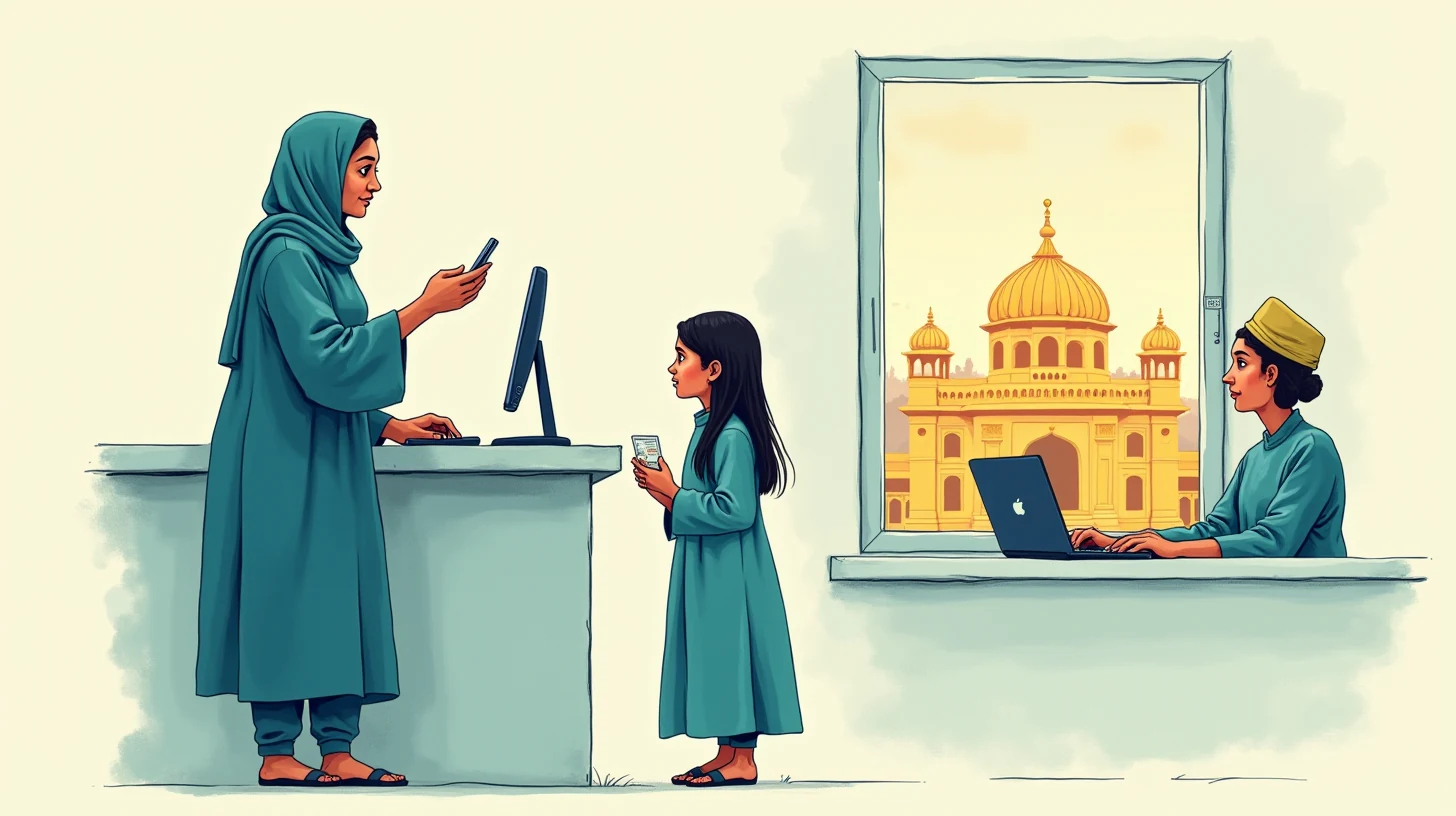
Her daughter Gurinder was sixteen now, in Class 11, doing Commerce. The kind of student teachers called "steady" — not brilliant, but careful, present, thinking about what would come next. Manjit had left school at Class 8. Her husband Balwinder did construction when there was work. Four houses a week brought in what it brought in. The family income, on paper, was ₹72,000 a year. Enough to live. Not enough for fancy things.
The meeting was about scholarships.
🗓️ When a Scholarship Finds You First
The Punjab government offers a Post-matric Scholarship to SC students in the state who are studying in Class 11 or higher and whose family income is below ₹2.5 lakh a year. Gurinder qualified on every count — she was SC (Ramdasia Sikh caste), she was in Class 11, and the ₹72,000 was well below the threshold. The scholarship was ₹7,400 per year, which wasn't huge, but for a family like theirs, it mattered. It could mean a new set of textbooks, or money for tuition in weak subjects, or one month where Manjit didn't have to take an extra house-sitting job on Sundays.
The teacher who explained this was Harpreet Sir, who taught Economics. He had done this before — he knew the scholarship process, had helped families file, understood the forms. He explained the steps to Manjit in a parent meeting, speaking in Punjabi, speaking plainly. Online portal called NSP, link on the government website, digital application, deadlines in October. The usual government rhythm.
But there was one thing, he said. The scholarship money has to go to a bank account in the student's own name. Not the mother's account. Not a joint account. The student's own individual account, registered with Aadhaar.
Manjit nodded. She knew her daughter didn't have a bank account. There had been no reason to open one. When the family needed to move money around, they went to Manjit's account, or to a local hundi-wala if it was a favour or a quick transfer. But a government scholarship had rules. Rules meant banks.
"Go to Punjab National Bank," Harpreet Sir said. "Lawrence Road branch is closest to you. Tell them your daughter needs to open an account. It should be simple."
It wasn't simple.
⚠️ The Bank Counter and Its Certainty
Punjab National Bank's Lawrence Road branch was a fifteen-minute walk from their home, past the temple, near the market. Manjit took Gurinder on a Friday afternoon when the house-cleaning schedule allowed. They brought Aadhaar cards, copies of the school admission certificate, proof of address. They had read the NSP portal, which said the scholarship would be transferred to "the student's bank account registered with Aadhaar."
At the counter, they explained to the officer what they needed.
The officer looked at Gurinder's age — sixteen — and shook his head. "She's a minor," he said. "We cannot open a full individual account in her name. She has to be eighteen."
Manjit asked about a guardian account. Could she open it as the guardian, with Gurinder's name on it?
"Yes," the officer said. "We can open a guardian-operated account. You will be the primary account holder, and she will be the dependent. That works for minors."
The problem was that the NSP portal was clear in its language: the scholarship money goes to an account that belongs to the student individually, not to a guardian-operated or joint account. The rules existed because scholarships were meant to teach students financial autonomy, to put money in their own hands, to let them learn how the banking system worked.
"Then she has to wait," the officer said. "Until she's eighteen. That's the rule."
Manjit felt the familiar weight of bureaucracy — the kind that sounds absolute, spoken from behind a counter by someone in uniform. She had encountered it before, in other forms. She knew that weight, and she knew how it closed doors.
But the scholarship deadline was October. Gurinder would turn seventeen in September. She would turn eighteen in two years. The scholarship couldn't wait two years.
They went home without opening an account.
🌗 When a Teacher's Tablet Becomes a Bridge
Harpreet Sir had given Manjit his mobile number for any questions. She called him the next day and explained what the bank had said.
He listened, and then he said something that changed the trajectory. "Let me check something. I have an agent on my phone — it's like a helper, but digital, and it knows Indian law and banking rules. Let me ask it about this."
The agent was a language model, trained on Indian legal texts and banking regulations, and it could answer questions in Punjabi. Harpreet Sir sat with the tablet that afternoon and asked it a careful question: "Can a minor who is sixteen years old open and operate an independent bank account in India? What do RBI guidelines say?"
The agent's response came back in Punjabi — clear, specific, with reference numbers.
Yes, it said. According to RBI guidelines (Reserve Bank of India Master Circular on "KYC Norms"), minors aged ten years and above can open and independently operate savings accounts at most public sector banks, including Punjab National Bank. This is not a guardian-operated account. This is called a "Minor's Independent Account." The minor can use the debit card, withdraw money, deposit money, and conduct all standard banking transactions independently. The account can be Aadhaar-seeded, just as an adult account can be.
PNB has its own scheme for this — sometimes called "Minor Savings Account" or "PNB Power Kids" account — which explicitly allows minors from age ten upwards to operate independently.
What the counter staff had told Manjit was not the full story. It was, technically, misinformation — not intentionally wrong, perhaps, but incomplete. The counter officer had defaulted to the simpler explanation: minors open guardian accounts, so of course a sixteen-year-old would too. But the RBI rules allowed more. The bank's own product rules allowed more.
Harpreet Sir printed out the agent's response. He also asked the agent to draft a short reference letter in English, citing the specific RBI circular, that Manjit could bring to the bank. The agent wrote:
"This is to certify that according to RBI Master Circular (KYC Norms), minors aged ten years and above are permitted to open and independently operate savings accounts. Minor Savings Accounts with independent operation rights are a standard product at all public sector banks, including Punjab National Bank. The account holder can conduct all transactions independently and can have the account Aadhaar-seeded for eligibility in government scholarship schemes."
It was simple. It was clear. It was based on the rules that the bank itself had agreed to follow.
The Branch Manager and the Policy
Manjit didn't go back to the counter. Instead, she asked to speak to the branch manager.
The branch manager at PNB Lawrence Road was a man named Sharma. He had been there for eight years. He knew the policies because he had to — the RBI issued these guidelines regularly, and banks had to follow them or face penalties. When Manjit came in with Harpreet Sir's reference letter and explained the situation, Sharma nodded.
"The counter staff gave you old information," he said. "Or incomplete information. This changed years ago." He pulled up the bank's internal guidelines on his computer and showed Manjit the policy: minors from age ten could open what was called a "Minor Individual Account" with independent operating rights.
"Your daughter can open an account in her own name," Sharma said. "She can use it herself. She can draw from it herself. She operates it, not you. It's her account. And yes, we can seed her Aadhaar to it today."
He called over a different officer, one trained in minor account openings. They had Gurinder sit with him, go through the KYC process — her Aadhaar, her school ID, her signature. They explained the terms. They gave her a debit card. They seeded her Aadhaar to the account right there, in real time, using the bank's biometric system.
The whole process took forty minutes.
What Gurinder Understood
The first time Gurinder used her debit card at an ATM — not with her mother, but alone, after school — she felt something click into place. She had watched her mother manage money her whole life, had watched the weight of it, the stress when there wasn't enough, the careful math of every rupee. She had never had her own account. She had never had money in a form that was hers to access.
The scholarship amount wasn't huge — ₹7,400 — but it was hers. She had qualified for it through her grades and her caste and her family's income. The government recognized that she was studying, that she deserved a little support. And now that support was in an account she opened, in her own name, at sixteen years old, with a debit card that said her name on it.
She was in Class 11, doing Commerce. She was learning about business, about accounting, about how money moved through the economy. And now she had a small practical lesson in how it moved through her own life.
Manjit, in Punjabi:"ਮੇਰੀ ਗੁਰਿੰਦਰ ਨੇ ਆਪਣੇ ਨਾਮ ਤੇ ਖਾਤਾ ਖੋਲਿਆ ਤਾਂ ਮੈਨੂੰ ਲਗਿਆ ਕਿ ਉਹ ਵੱਡੀ ਹੋ ਗਈ। ਸਕੂਲ ਵਿੱਚ ਪੜ੍ਹਾਈ ਕਰ ਰਹੀ ਹੈ, ਆਪਣਾ ਖਾਤਾ ਚਲਾ ਰਹੀ ਹੈ, ਸਕਾਲਰਸ਼ਿਪ ਮਿਲੀ। ਮੈਨੂੰ ਚਾਹ ਸੀ ਕਿ ਉਹ ਇੰਨਾ ਸੁਖੀ ਰਹੇ, ਜਿੰਨਾ ਮੈਂ ਨਹੀਂ ਰਿਹਾ।"
Translation:
"When my Gurinder opened an account in her own name, I felt like she had grown up. She's studying at school, managing her own account, and she got a scholarship. I wanted her to have this happiness, this independence, in a way I never did."
🧭 The Agent in a Tablet, Speaking Punjabi
"ਭਾਰਤੀ ਰਿਜ਼ਰਵ ਬੈਂਕ ਦੀਆਂ ਹਦਾਇਤਾਂ ਮੁਤਾਬਕ, ਦਸ ਸਾਲ ਤੋਂ ਲੈ ਕੇ ਬਾਲਗ ਹੋਣ ਤੱਕ ਨਾਬਾਲਗ ਬੈਂਕ ਖਾਤਾ ਖੋਲ ਸਕਦੇ ਹਨ ਅਤੇ ਆਪਣੇ ਆਪ ਇਸ ਦਾ ਪ੍ਰਬੰਧਨ ਕਰ ਸਕਦੇ ਹਨ। ਇਸ ਤਰ੍ਹਾਂ ਦੇ ਖਾਤੇ ਨੂੰ ਪੰਜਾਬ ਨੈਸ਼ਨਲ ਬੈਂਕ ਵਿੱਚ 'ਮਾਈਨਰ ਇੰਡਿਵੀਜ਼ੂਅਲ ਖਾਤਾ' ਕਿਹਾ ਜਾਂਦਾ ਹੈ। ਬੈਂਕ ਬ੍ਰਾਂਚ ਮੈਨੇਜਰ ਨਾਲ ਸਿੱਧੇ ਗੱਲ ਕਰਨ ਨਾਲ ਸਮੱਸਿਆ ਹਲ ਹੋ ਜਾਂਦੀ ਹੈ। ਆਧਾਰ ਸੀਡਿੰਗ ਬਿਲਕੁਲ ਵਿਸ਼ਵਸਨੀ ਹੈ।"
(According to RBI guidelines, minors aged ten to eighteen can open independent bank accounts and manage them themselves. These accounts are called "Minor Individual Accounts" at Punjab National Bank. Speaking directly with the branch manager resolves the issue. Aadhaar seeding is completely legitimate.)
What made the difference was specific: it was a teacher who had an agent on a tablet, asked it a question in his own language, and got back an answer that cited the actual rules. Not a guess. Not a summary. Not a simplification. The actual RBI guidelines, written out.
Harpreet Sir wasn't a banking expert. He was an Economics teacher in a government school in Amritsar. But he had access to a tool that could look up complex information quickly, and he trusted it enough to ask. The agent, trained on Indian law and banking regulations and able to speak in Punjabi (a language where very few digital resources exist), gave him what he needed.
The information then went to Manjit. She brought it to the branch manager. The branch manager, hearing it from someone who had done her homework and come with the regulations in hand, was reminded of policies that the counter staff had overlooked or forgotten.
This is how systems sometimes work in India — not because the rules are bad, but because the people enforcing the rules at ground level don't always know the full scope of what the rules allow. A counter officer is trained to handle the common cases. When something unusual comes along — a minor opening an individual account, instead of a guardian account — they default to caution, to the simpler narrative.
It takes someone with access to the actual rules, and the ability to reference them, to push back gently against that default.
The agent was that someone.
:::blockquote-quote The agent, in Punjabi (translated from the tablet):
"ਭਾਰਤੀ ਰਿਜ਼ਰਵ ਬੈਂਕ ਦੀਆਂ ਹਦਾਇਤਾਂ ਮੁਤਾਬਕ, ਦਸ ਸਾਲ ਤੋਂ ਲੈ ਕੇ ਬਾਲਗ ਹੋਣ ਤੱਕ ਨਾਬਾਲਗ ਬੈਂਕ ਖਾਤਾ ਖੋਲ ਸਕਦੇ ਹਨ ਅਤੇ ਆਪਣੇ ਆਪ ਇਸ ਦਾ ਪ੍ਰਬੰਧਨ ਕਰ ਸਕਦੇ ਹਨ। ਇਸ ਤਰ੍ਹਾਂ ਦੇ ਖਾਤੇ ਨੂੰ ਪੰਜਾਬ ਨੈਸ਼ਨਲ ਬੈਂਕ ਵਿੱਚ 'ਮਾਈਨਰ ਇੰਡਿਵੀਜ਼ੂਅਲ ਖਾਤਾ' ਕਿਹਾ ਜਾਂਦਾ ਹੈ। ਬੈਂਕ ਬ੍ਰਾਂਚ ਮੈਨੇਜਰ ਨਾਲ ਸਿੱਧੇ ਗੱਲ ਕਰਨ ਨਾਲ ਸਮੱਸਿਆ ਹਲ ਹੋ ਜਾਂਦੀ ਹੈ। ਆਧਾਰ ਸੀਡਿੰਗ ਬਿਲਕੁਲ ਵਿਸ਼ਵਸਨੀ ਹੈ।"
Meaning (direct translation):
"According to RBI guidelines, minors from age ten to eighteen can open bank accounts and manage them independently. In Punjab National Bank, this is called a 'Minor Individual Account.' Speaking directly with the branch manager resolves the issue. Aadhaar seeding is completely legitimate." :::
🌱 Where Gurinder Is Now
Three months after opening her account, Gurinder has used it for every transaction a student might need. She's transferred the scholarship money into her own notebook, tracking it carefully in the accounting practice her Commerce class teaches. She's withdrawn cash for books and stationery. She's watched the debit card bill get sent to her mother, and she and Manjit have sat down together and reviewed what was spent and what was saved.
It's not revolutionary. It's a teenager learning how banking works, learning how to hold money and make decisions about it. But for Manjit, watching her daughter sit with a bank statement and understand it — that's revolutionary. That's the opposite of what she grew up with. That's the possibility of a different life.
The scholarship, itself a small amount, became bigger because of what it represented. It said to Gurinder: you qualify. You belong in school. There are people, and institutions, and rules that recognize your need. And here: here is money in your own name, proof that they do.
The NSP scholarship program is designed for exactly this — to support SC students whose families couldn't otherwise afford the expense of education. But the program only works if the scholarship can reach the student. And the scholarship can only reach the student if the student has an account in her own name. And the student can only get that account if someone — a teacher with a tablet, an agent that speaks her language, a branch manager who knows his own bank's policies — steps in to bridge the gap between the rule as written and the rule as practiced.
On Lawrence Road in Amritsar, that bridge was built in August 2026, in forty minutes, by four people who decided to look at the regulations closely enough to see what was possible.
Gurinder's account is still active. The scholarship was disbursed. And she's still in Class 11, still learning Commerce, still in an account that is hers.
That's where the story ends, but it's also where her story continues.
What it does
- 🔍Researches RBI guidelines on minor accounts and finds the specific policy that applies to Gurinder's situation
- 📄Drafts a reference letter citing the exact RBI circular that authorizes minor independent accounts
- ⏰Enables same-day account opening by explaining the bank's own products and policies to the branch manager
What it does not do
- 🔒Never opens the bank account — only the branch manager and Gurinder do that
- 💳Never manages Gurinder's account or accesses her debit card — the account is entirely hers
- ✅Never guarantees the scholarship approval — the NSP portal makes that decision based on merit and income