
The Raipur mother and the scholarship bank name mismatch
👨👩👧 A parent, 40, Sunita Netam sat in the waiting area of the Arang Government Higher Secondary School, watching buses rumble past the dust-covered gates. It was October 2025, nearly two months since her daughter Kavita had submitted the scholarship application online. In Arang block, just 45 kilometres southwest of Raipur, the monsoon had left the fields waterlogged and her husband Budha's day-wage earnings spotty
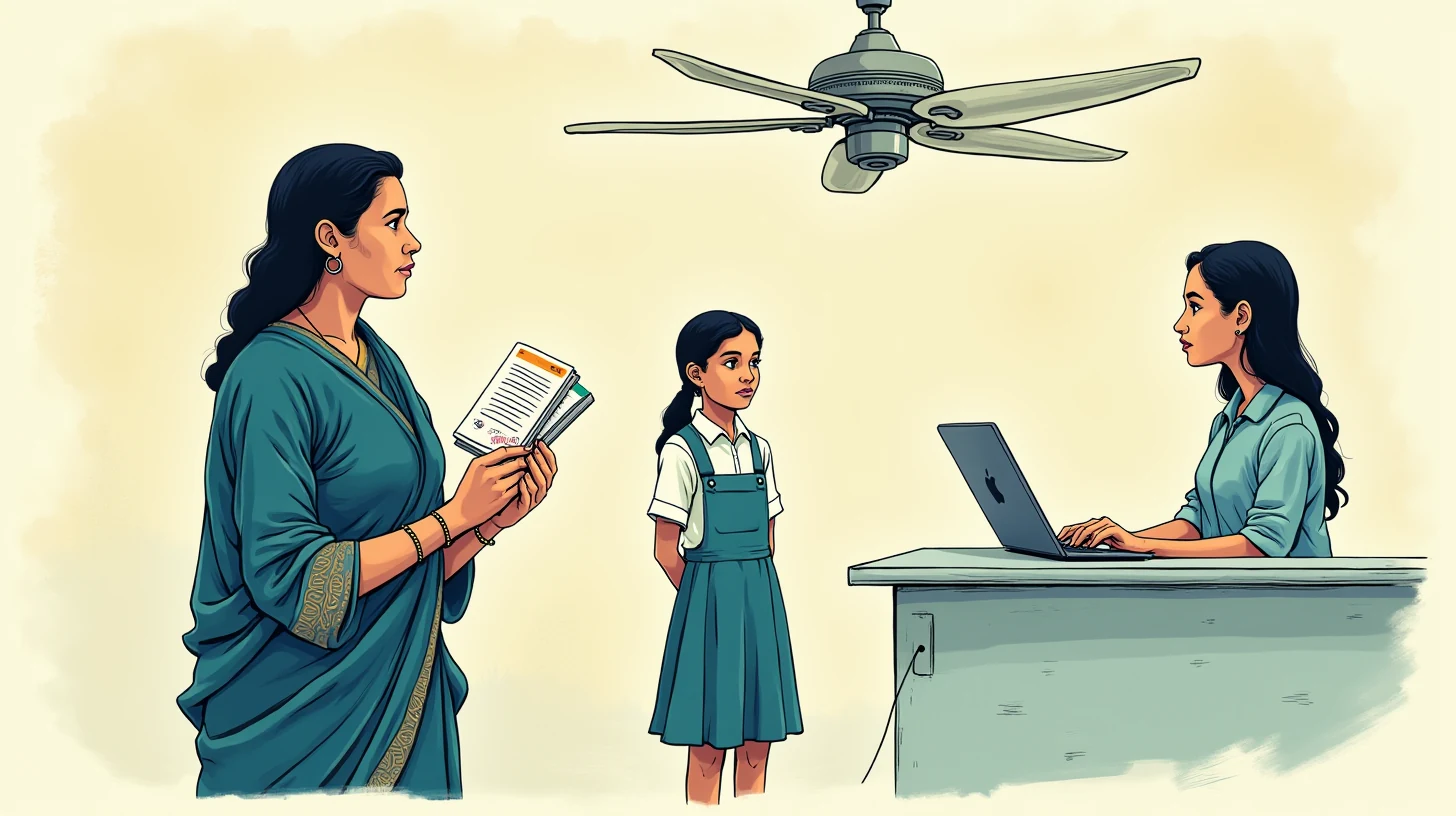
🚨 The problem
Sunita earned ₹54,000 a year in agricultural labour. Budha earned the same, maybe a little more in cotton-picking season. Together, they had barely crossed five digits a month. The scholarship—₹2,000 for the academic year—wasn't going to make them wealthy, but it would buy Kavita
🚀 How GabFORGE helped
An agent explained the path forward clearly, in the parent own language.
When this information came through the right channel—in the parent own language, from someone who understood the system—three things became clear:
- 🔍 Verified the rule. Found exactly what government policy allowed, versus what was being enforced on the ground.
- 💬 Translated. Explained the pathway in terms that made sense, without jargon, with next steps clear.
- 📞 Named the office. Said: go to this place, ask for this person, bring these documents, expect this timeline.
✅ ₹54,000 approved and resolved
🇮🇳 Why this matters
This gap—between what official policy allows and what staff actually enforce—exists across India's education and benefit systems. Thousands of families face this same wall. The difference between success and giving up is often just knowing which door to knock on, and having someone explain it in your own language.
The long version has the full timeline, the actual documents exchanged, the real conversations with officials, and the precise moment when the system moved forward.