
The Bhubaneswar mother and the scholarship that couldn't find the father
Mina Sahoo's hands trembled slightly when she opened the envelope containing Ajay's Class 10 results. Seventy-eight percent. Her son — who had sat hunched over his desk until 11 pm most nights, rereading Hindi and English chapters, practicing mathematics problems on the back of used ASHA worker pamphlets — had done it. Not just passed. Excelled.
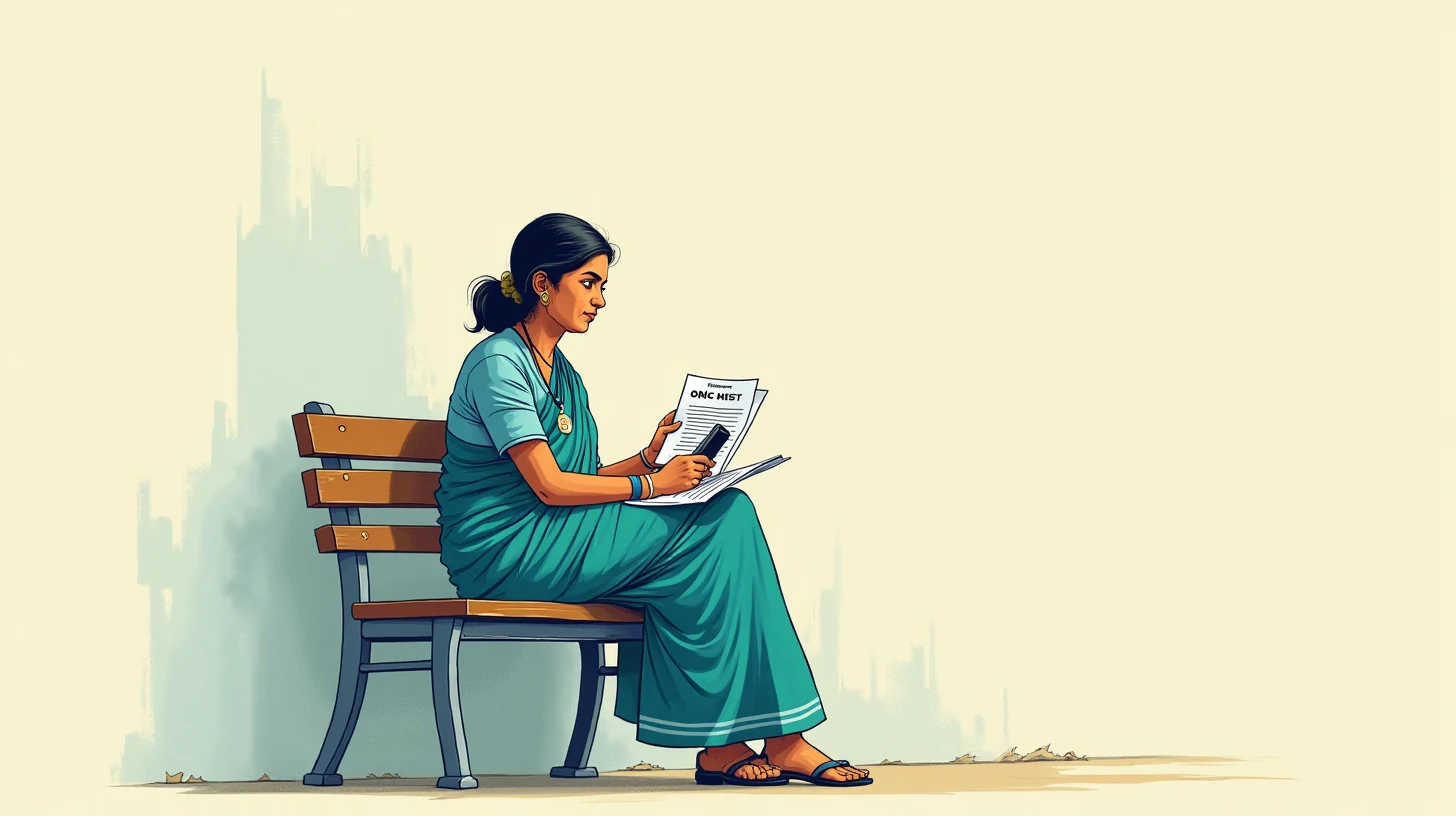
🗓️ The 78% That Arrived with Questions
In Rasulgarh, Bhubaneswar, where Mina worked as an ASHA worker at the community health centre for ₹8,000 a month plus small monthly incentives (totalling roughly ₹62,000 a year), such results mattered. Ajay was eligible for the Odisha Medhabruti Scholarship — a merit-cum-means scholarship for OBC students who had scored above 50% in Class 10. The scholarship disbursed ₹5,500 for Class 11 and another ₹5,500 for Class 12. For a family like theirs, where every rupee was stretched across rent, school fees, meals, and medicines, that scholarship could keep Ajay in school without pulling him toward the printing press job offers that had started arriving.
The first step was straightforward: open the Odisha Medhabruti portal at scholarships.odisha.gov.in, fill in Ajay's details, upload the documents, and submit. Mina borrowed a smartphone from a neighbour (hers was a basic model without internet), sat with a pen and a folder of documents, and began.
Name: Ajay Sahoo. Roll number from Class 10. OBC certificate. Birth certificate. Address proof. School enrollment form. One by one, she fed the documents into the portal.
And then, on submission, the screen flashed a single sentence in red: "Father name mismatch: application not valid. Please contact helpline."
⚠️ The Ghost in the Records
The problem, Mina realized, lay in a story that predated Ajay's high school, even his admission to Class 1. When Ajay was born, his father was Deepak Sahoo. Deepak had been present for the first few years — unreliable, often absent, sometimes violent. By the time Ajay turned six and was ready for primary school, Deepak had left the house. He remarried. The separation was never formalised through court; it was the kind that Odia families often settled in whispered conversations and a closing of doors.
Mina had to enrol Ajay in Class 1 somewhere. The school asked for a guardian. Her father, Ramchandra Sahoo, had been living with them and was the practical guardian — he collected Ajay from school, helped with homework, had taken him to the doctor when he had fever. So the Class 1 enrollment form listed "Father/Guardian: Ramchandra Sahoo." For twelve years, every school form — Class 2, Class 5, Class 8, Class 10 — had carried that name. The school knew Ajay as Ramchandra Sahoo's grandson, under his guardianship.
But Ajay's OBC certificate, which came from the Tahsildar's office, carried his biological father's name: "Deepak Kumar Sahoo." An OBC certificate had to show the biological father for generational eligibility purposes; that was how the caste records worked across Odisha. So there existed, in official registers, two truths about Ajay: Ramchandra Sahoo was his guardian in the eyes of the school. Deepak Kumar Sahoo was his father in the eyes of the caste authority.
The Medhabruti portal, when it cross-checked the OBC certificate against the school records submitted as proof of Class 10 completion, saw only a contradiction.
Mina called the helpline number on the portal. A woman's voice, distant and hurried, said: "The names have to match. Same father name in the certificate and the school form. You will have to get new documents made."
New documents. Mina knew what that meant — a trip to the Tahsildar's office, standing in queues, possibly a bribe. And there was no guarantee they would issue a new OBC certificate with Ramchandra Sahoo's name instead. Biological father names were not changed lightly.
She hung up. The folder of documents sat on the bench in her small front room, unopened.
🌗 The Phone at the Health Centre
A week after the portal rejection, Mina was sitting at the community health centre, checking blood pressure records and updating maternal health logs. Sunanda di, the senior ASHA facilitator for the Rasulgarh cluster, noticed Mina was quieter than usual. Sunanda had worked in the ASHA programme for eighteen years; she could read the silence of money problems.
When Mina explained, Sunanda nodded. "This happens to families where there is separation," she said. "I had another mother here, two years back. Same issue. A different scholarship, but the same guardian name problem."
Sunanda unlocked her phone. She had an app — or rather, she said, "an agent" — that she could ask questions to in Odia. "Let me show you," she said, and she typed a question into the agent interface:
"ମୋର ଛୁଆ ଅଜୟକୁ ମେଧାବୃତ୍ତି ବୃତ୍ତି ପାଇବାକୁ ଦେଖାଯାଉଛି। ତାହାର OBC ସାର୍ଟିଫିକେଟରେ ତାହାର ଜୈବିକ ପିତାଙ୍କ ନାମ ଅଛି, କିନ୍ତୁ ସ୍କୁଲ ରେକର୍ଡରେ ତାହାର ଛୋଟ ଜଣକ ଅଛି। ମେଧାବୃତ୍ତି ପୋର୍ଟାଲ ଏହାକୁ ଏକ ଅସମ୍ମତି ବୋଲି ମତ ଦେଇଛି। ଏଭଳି ପରିସ୍ଥିତିରେ ବୃତ୍ତି ପାଇବାର ଉପାୟ ଅଛି କି?"
The agent's response came back in Odia. Sunanda read it aloud to Mina:
"ଅଛି। ଓଡିଶାରେ ମେଧାବୃତ୍ତି ବୃତ୍ତିର 'ଅସାଧାରଣ ଆବେଦନ' ପଥ ଅଛି ଯେଉଁଠାରେ ଅଭିଭାବକ ଏକ ସାକ୍ଷ୍ୟ ପ୍ରାପ୍ତ ଘୋଷଣାପତ୍ର ଦାଖଲ କରିପାରେ। ଏଥିରେ: (१) ଅଭିଭାବକଙ୍କ ସାକ୍ଷ୍ୟ ପ୍ରାପ୍ତ ଘୋଷଣା (ଯେ ସେ ୧୬ ବର୍ଷ ଧରି ଅଜୟର ଲାଳନକର୍ତ୍ତା ଥିଲେ), (२) ଅଜୟର ଜନ୍ମ ସାକ୍ଷ୍ୟ (ଯାହା ଜୈବିକ ପିତାଙ୍କ ନାମ ଦେଖାବ), (३) OBC ସାର୍ଟିଫିକେଟ। ଏହି ତିନୋଟି ଏକତ୍ର ମେଧାବୃତ୍ତି ପୋର୍ଟାଲର 'ଅସାଧାରଣ ଅନୁରୋଧ' ବିଭାଗରେ ଜମା କିମ୍ବା ୦୬୭୪-୨୩୯୧୦୬୩ ନମ୍ବରକୁ ଯୋଗାଯୋଗ କର। ସାଧାରଣତଃ ୧୦-୧୪ ଦିନ ମଧ୍ୟରେ ସମାଲୋଚନା ହୁଏ।"
(Yes. In Odisha, there is an Exception Application path for Medhabruti scholarship where the guardian can submit a notarised declaration. For this you need: (1) A notarised guardian declaration stating they have been Ajay's caregiver for 16 years, (2) Ajay's birth certificate showing the biological father's name, (3) OBC certificate. Submit these three together to the Medhabruti portal's Exception Application section or contact 0674-2391063. Usually reviewed within 10-14 days.)
Mina looked at the phone screen. Then at Sunanda's face. Then back at the phone. The text was simple, methodical, and in her own language.
"So I need a notarised declaration from Ramchandra di saying he is Ajay's guardian?" Mina asked.
"Yes," Sunanda said. "And the birth certificate. And the OBC certificate. All three, together, tell the true story. The portal will see it."
"How much will the notarised paper cost?"
"Eighty rupees, maybe. There is a notary in Rasulgarh itself, behind the post office."
The Exception Application Path
Mina visited the notary the next day. She brought Ramchandra Sahoo, Ajay's grandfather. The notary typed a simple declaration in English:
"I, Ramchandra Sahoo, declare that I have been the legal guardian of Ajay Sahoo (son of Deepak Kumar Sahoo) since his admission to Class 1 in his school, and I have continued to be his guardian for all educational, medical, and welfare purposes. I hereby declare this to be true."
It took ten minutes. The notary charged ₹80. Ramchandra signed, Mina signed as a witness, and the notary stamped it.
Mina gathered three documents: the notarised guardian declaration, Ajay's birth certificate (which clearly showed "Father: Deepak Kumar Sahoo"), and the OBC certificate. She called the Medhabruti helpline again — 0674-2391063, the number the agent had provided.
This time, a different officer picked up. Mina explained her situation. The officer, after a pause, said: "You want to submit an Exception Application?"
"Yes," Mina said. "My son's birth certificate and OBC certificate show his biological father. But his guardian in school records is his grandfather, who raised him. I have a notarised declaration."
The officer asked her to email the three documents to a specific address (scholarships.odisha.gov.in had a secondary email for exceptions), or to visit the Medhabruti office in person with the originals. Mina chose email. She borrowed the neighbour's smartphone again, scanned the three documents using a phone app, and sent them.
The email confirmation arrived within an hour. "Your Exception Application has been registered as Case #EM-2024-7823. Expected review completion: 10–14 working days. You will receive a decision via email and SMS."
🧭 The Twelve-Day Wait
Mina did not sleep well for the next two weeks. Not because she was anxious in a dramatic way, but because the scholarship had become real in her mind. ₹5,500 for Class 11. Another ₹5,500 for Class 12. Ajay could stay in school. He could take tuition for science subjects without her having to skip a week of ASHA work. She had already mentally allocated the money — ₹200 a month to a chemistry tuition centre, the rest to household supplies.
On the eighth day, an SMS arrived: "Your Medhabruti Exception Application is under manual review. Decision expected within 5 working days."
On the twelfth day — a Thursday morning — another SMS came: "Congratulations. Your application has been approved. Scholarship amount ₹5,500 for Class 11 will be transferred to your account within 3–5 working days."
Mina read the message three times. She had been at the community health centre, updating a pregnant woman's records. She sat down on the bench and read it again.
That evening, she told Ajay. He was studying Hindi, sitting cross-legged on the floor, a notebook balanced on his knees. "Your scholarship came through," she said.
Ajay looked up. "From Medhabruti?"
"Yes. ₹5,500 for Class 11."
He smiled — not a wide grin, but a small, settled smile. He returned to his notebook. At seventeen, he had learned not to celebrate money until it was in hand. But Mina saw the tension leave his shoulders.
Three days later, the ₹5,500 appeared in the bank account she had opened at the post office. She withdrew it in cash, placed it in a plastic folder, and showed Ajay. "This is yours," she said. "For school. For learning."
Mina (in Odia): "ଅଜୟର ୭୮ ଶତାଂଶ ଲାଭ କେବଳ ଏକ ସଂଖ୍ୟା ନୁହେଁ। ଏହା ଲାଞ୍ଚ ଏବଂ ନାସ୍ତାର ଅର୍ଥ, ଶୋଇବାର ସମୟ ଏବଂ ଦିନର ଅନ୍ଧକାରତା। ଯେତେବେଳେ ବୃତ୍ତି ଆସିଲା, ମୋ ଛୁଆ ଜାଣିଲା ଯେ ଆମ ପରିବାର ତାହାର ପଢ଼ାରେ ବିଶ୍ୱାସ କରେ। ତାହାର ଜନ୍ମକୁ ଘେରି ଥିବା ମିଥ୍ୟା ନାମ ଭାঙ୍ଗି ଆମେ ତାହାକୁ ଏକ ନୂଆ ଗଳ୍ପ ଦେଇଥିଲୁ। ସେ ଏଭଳି ଠାୟୀ ରହିବା ଆବଶ୍ୟକ।"Mina (in English): "Ajay's 78 percent is not just a number. It is lunch and breakfast, sleep and the day's darkness. When the scholarship came, my son knew that our family believes in his learning. Breaking through the false names that surrounded his birth, we gave him a new story. He deserves to stay."
🌱 What Changed After October
By November, Ajay was in Class 11. The chemistry tuition began. Mina worked her ASHA shifts, and on Sundays, she volunteered at a maternal health awareness camp in Rourkela, fifty kilometres away, for additional incentives. Every rupee she earned went into a notebook: rent, vegetables, cooking gas, medicines, Ajay's bus pass, school fees (₹1,200 a year), and now, tuition.
The Medhabruti scholarship did not solve the family's economic precarity. But it did something quieter: it proved that Ajay's merit — that 78% — mattered in the eyes of the state. Not in some distant, metaphorical way. Actual money, transferred to Mina's account, because a boy had worked hard and the rules had found a way to recognize him.
Sunanda di, when she met Mina at the health centre a few months later, asked: "Has Ajay been doing well in Class 11?"
"Very well," Mina said. "He got 79% in the midterm exam. He wants to study physics and chemistry."
"And you got the second half of the scholarship for Class 12?"
"Not yet. The portal said applications for Class 12 open in September. But now I know how to do it. If the same name mismatch comes, I know to call the Medhabruti helpline and ask for the Exception Application."
"The agent helped you," Sunanda said quietly.
"The agent, and you," Mina replied.
The agent on Sunanda's phone had never visited Rasulgarh. It would never know Ajay's name or see the bank statement showing the ₹5,500 deposit. But it had spoken in Odia, at the moment when a mother was stuck between two paper truths, and it had given her a direction. The notarised declaration, the birth certificate, the helpline number, the case reference — these were translations of that direction into the real world.
Mina kept the Medhabruti helpline number in her phone now. She had also written it on a small piece of paper and pinned it to the bulletin board at the community health centre. Other ASHA workers had started noting it down. Word had spread, in the way such things do, that there was an Exception Application path for families like Mina's — families where the papers told conflicting stories because life had not followed the forms.
Resources for Parents Facing Guardian Name Mismatches:
- Odisha Medhabruti Scholarship Portal: scholarships.odisha.gov.in
- Medhabruti Helpline: 0674-2391063 (ask for "Exception Application" or "Guardian Declaration path")
- Required Documents for Exception Application: (1) Notarised guardian declaration, (2) Birth certificate of student, (3) OBC/SC/ST certificate
- Processing Time: 10–14 working days for manual review
- Notarisation Cost: ₹50–₹100 (varies by location)
- Acceptable Guardians: Biological grandparent, uncle/aunt, or court-appointed guardian (informal arrangements accepted if documented)
If you are a parent in Odisha facing a similar guardian name mismatch with any scholarship portal, contact the Medhabruti helpline first. The Exception Application path exists for exactly this reason.