
The Kozhikode mother and the community name the portal didn't recognise
Shahana P. has been selling fish at Beypore landing centre for twelve years. Her husband Basheer is a fisherman — they know the rhythms of the Arabian Sea the way other families know bus schedules. Their daughter Amina, sixteen, sits in Class 11 at Government Higher Secondary School Beypore, enrolled in Commerce. She's the first person in either family to reach this point in school.
🗓️ The Certificate That Wasn't Quite Right
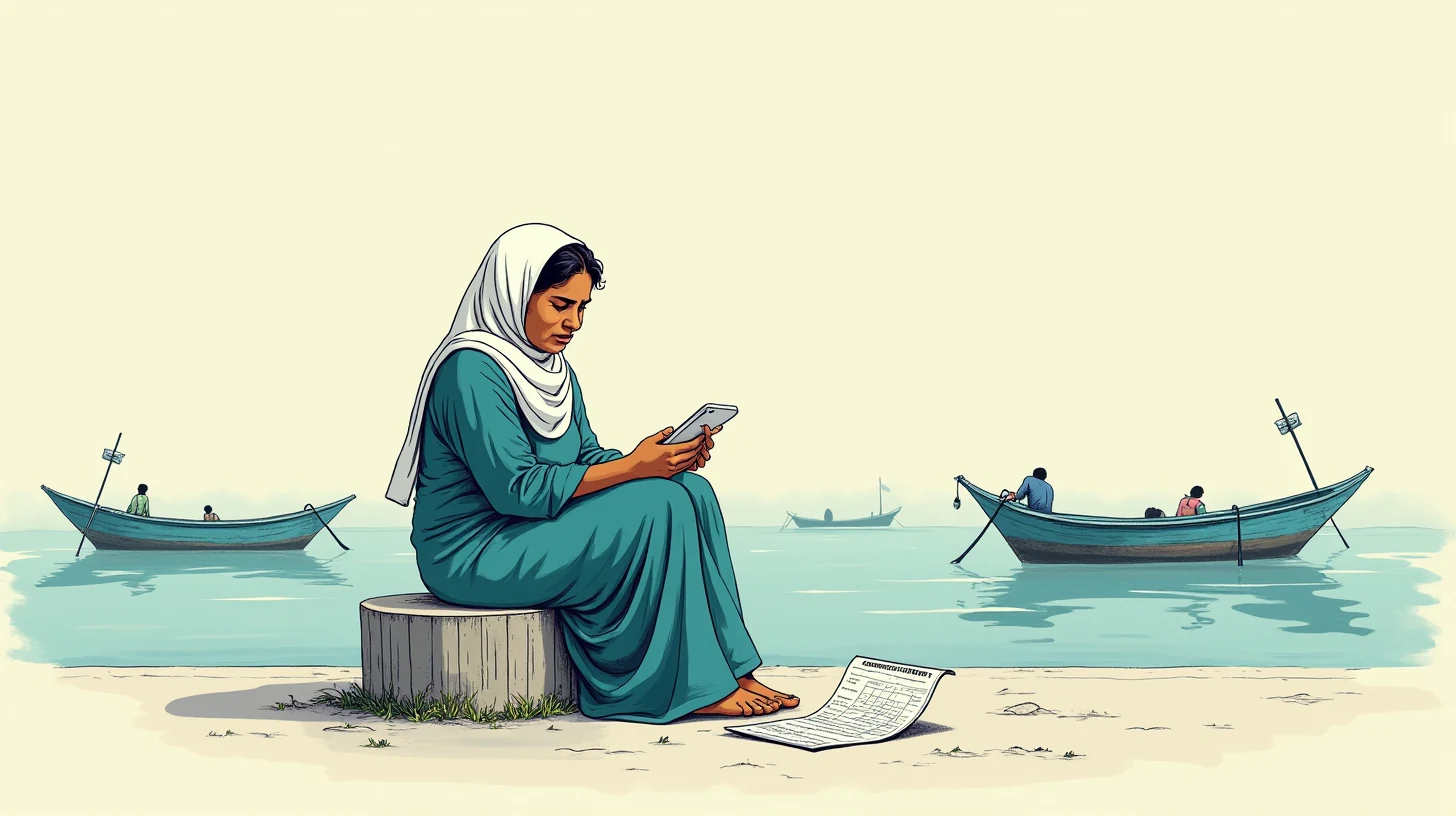
In October, when the application window for Kerala's OBC Post-matric Scholarship opened on swd.kerala.gov.in, Shahana printed out Amina's community certificate from the Village Officer. The paper was official, stamped, and clear: "Mappila." It matched what Amina's grandparents had always called themselves, what the tahsildar's office had confirmed years ago for other government purposes. Mappila — the Mappila Muslim community of Kerala. OBC. The family income was well under the ₹1 lakh ceiling. Everything looked ready.
Shahana borrowed her brother's laptop and logged into the scholarship portal. The form asked for community classification. She scrolled the dropdown. There was no "Mappila." There was "Muslim — Other Backward Class," which should have been it, but the portal rejected her entry: "Community not found in OBC list."
She stared at the screen. The certificate said Mappila. The tahsildar said Mappila was OBC. The portal said OBC was there, just not under that name. She had the document. She had the eligibility. She didn't have the translation.
⚠️ The Sister-in-Law's Solution
By November, Shahana had made three trips to the Village Officer's office and one to the block office. Each time they said yes, the Mappila community is OBC, the certificate is correct, the portal is just using different terminology. No one said it was easy to fix — but no one had a clear fix either. This was a problem between her and the government's own website, and the government wasn't offering a bridge.
At the Beypore fish market one Tuesday morning, her sister-in-law Fathima arrived from Feroke with news. Fathima had used an agent to sort out a ration card update months earlier — the kind of stuck, in-between problem where you have the documents but the system doesn't speak your language. She pulled out her phone and showed Shahana how it worked. Malayalam. You could actually ask it things.
Shahana called the agent that night, after closing the stall. She spoke in Malayalam, explaining the community certificate issue, the portal's mismatch, the rejection, and the certainty that none of it made sense.
"കമ്യൂണിറ്റി സർട്ടിഫിക്കറ്റ് മാപ്പിളെ എന്ന് പറയുന്നു, പോർട്ടാൽ അത് കണ്ടെത്താൻ കഴിയുന്നില്ല. എന്നാൽ അത് ഒരേ കമ്യൂണിറ്റി, ഒരേ ഓ.ബി.സി. വർഗ്ഗം. തഹസീൽദാരിന്റെ ചിഠി ഈ വിടവ് നികത്തും. പോർട്ടാലിനെ സാധാരണ ഭാഷ മതിയാകും. എന്നാൽ നിനക്ക് സ്കോളർഷിപ്പ് കാത്തിരിപ്പുണ്ട്."
(The community certificate says Mappila, but the portal cannot recognize it. Yet it is the same community, the same OBC category. The tahsildar's letter will bridge this gap. The portal understands ordinary language. But your scholarship is waiting.)
🌗 What the Agent Found
The agent's response came in Malayalam, which made it immediate and real. This was not a problem unique to Shahana. Mappila and Moplah families across Kerala faced the same issue: their community certificates used traditional nomenclature, but the scholarship portal used administrative OBC classifications that didn't match the certificates' text. Both documents meant the same thing. The portal didn't know that.
The route was indirect but clear. The agent explained that the Village Officer could issue an amended or supplementary community certificate that included both the traditional name and the OBC classification text — "Muslim OBC" or "Other Backward Community" added to the original "Mappila." This was standard practice in Kerala for scholarship applications and other government purposes where nomenclature mismatches occurred.
There was a second option, faster in Shahana's case. If getting a new certificate took time, she could request a letter from the tahsildar's office confirming that "Mappila is classified as OBC under Kerala's official OBC list." This letter would serve as a supplementary document alongside the existing community certificate. The swd.kerala.gov.in portal also had a built-in solution: an "Objection/Correction" request form where applicants could upload supporting documents to flag nomenclature issues or correction requests. She could submit the tahsildar's confirmation letter through that form, and the portal reviewers would process it as a clarification.
The agent's tone was practical, not reassuring — here is the system, here is how to use it.
The Tahsildar's Letter
Shahana decided on the tahsildar's letter. It was faster, and she had already spent three weeks on this. She took a day off the market and went to the block office in Kozhikode with Amina's community certificate and a written request. She explained the situation: the portal didn't recognize "Mappila" even though the tahsildar's own records confirmed Mappila as OBC.
The tahsildar's office processed it in two days. The letter came on official paper, dated, stamped, and clear: "Mappila Muslim community is classified as Other Backward Community (OBC) under the Kerala OBC list for purposes of scholarship, employment, and other government benefits." It named Amina and her community certificate number.
The same day, Shahana logged back into the portal. Instead of trying the main application form again, she navigated to the Objection/Correction section. Most applicants never find it — it's not on the main page, and the portal doesn't advertise it. She uploaded the tahsildar's letter as a supporting document, wrote a short note explaining the community nomenclature mismatch, and submitted the request.
Inside the Portal's Logic
To understand why this happened, you have to understand how Kerala's scholarship system bridges two different naming systems. Community certificates issued by Village Officers use traditional community names — Mappila, Moplah, Ezhavas, Thiyyas, and dozens of others. These names carry history and social meaning. But the Ministry of Social Justice's OBC list, which Kerala follows for government benefits, reorganizes those communities into administrative categories: "Muslim — Other Backward Class," "Hindu — Other Backward Class," and so on.
The portal uses the administrative list, not the traditional nomenclature. This made sense at the system level — one central database, one set of rules, no ambiguity. But at the applicant level, it created a gap. You had one kind of certificate but the portal wanted another kind of name. The government had created two systems to mean the same thing, and then they didn't talk to each other.
This isn't a bug. It's a design choice, and it works fine if you know the translation. But no one told applicants the translation. The portal didn't say, "Mappila = Muslim OBC." The Village Officer didn't say, "When you apply on the scholarship portal, use this different name." The application form didn't have a help text or a glossary. It just rejected you with "Community not found."
The Objection/Correction form exists partly because the government knows this happens. The portal's reviewers have seen enough Mappila/Muslim OBC mismatches to recognize them. They accept the clarification because they understand the system better than the system itself does.
What It Means for Amina
The scholarship came through in December. Amina's bank account received the disbursement — enough to cover her tuition, books, and exam fees for the year. Shahana stopped taking Amina to the market on Saturdays for "learning" days. The girl studies now, fully, without the background worry that she might need to drop out because the money wasn't there.
Shahana still works the stall six days a week. Basheer still takes the boat out. But one problem they solved is no longer a problem. The scholarship is real. It's monthly, and it's because Amina is OBC, which the tahsildar said she was, which the community certificate proved, which the agent found a way to tell the portal.
In January, another Mappila family from the neighborhood asked Shahana about the scholarship process. She told them the whole story — not just that the scholarship existed, but where the portal gets confused and how to unstick it. She gave them the agent's name. By February, their daughter's scholarship was also approved.
"അമീനയുടെ സർട്ടിഫിക്കറ്റ് പറയുന്നു 'മാപ്പിളെ' — അത് ഞങ്ങൾ വീട്ടിൽ എപ്പോഴും പറയും. പോർട്ടാൽ പറയുന്നു 'മുസ്ലിം ഒാബിസി' — അത് സർക്കാരിൻ്റെ സംജ്ഞ. രണ്ടും ഞങ്ങളെ കുറിച്ചാണ്. എന്നാൽ ഈ കാളിയെ (ഇ-ഗവൺമെൻ്റ് പോർട്ടലിനെ) അത് മനസ്സിലാകുന്നില്ല.""Amina's certificate says 'Mappila'—that's what we call ourselves at home. The portal says 'Muslim OBC'—that's the government's term. Both are about us. But this government portal doesn't understand."
— Shahana P., Beypore, Kozhikode
🧭 The Agent's Closing Words in Malayalam
"അമീനയുടെ കമ്യൂണിറ്റി സെർട്ടിഫിക്കറ്റിൽ 'മാപ്പിളെ' എന്ന് പറയുന്നു, പക്ഷെ സ്കാർൻ്റാർഡ് പോർട്ടലിൽ 'മുസ്ലിം — ഒാബിസി' എന്ന് അൻവേഷണം നടത്തുന്നു. രണ്ടും സത്യമാണ്. രണ്ടും ഒരേ സമുദായത്തെ സൂചിപ്പിക്കുന്നു. പ്രശ്നം അറിവിന്റെയും ഭാഷയുടെയും അഭാവം മാത്രം. തഹസീൽദാരിന്റെ കത്ത് കൊടുത്തു ആ വിടവ് നികത്തി. സ്കാലർഷിപ്പ് പോർട്ടാലിന് സാധാരണ ഭാഷ ഇതിന് പോര്യാപ്തമാണ്. എന്നാൽ കേരളത്തിൽ ഇത് അരുണ് സംവാദോപായം."
("Amina's community certificate says 'Mappila,' but the scholarship portal searches for 'Muslim — OBC.' Both are true. Both refer to the same community. The problem is only the lack of knowledge and language to bridge them. The tahsildar's letter filled that gap. The scholarship portal understands this language. In Kerala, this is a common solution.")
What it does
- lightbulbIdentifies the nomenclature mismatch between traditional names (Mappila) and administrative categories (Muslim OBC)
- pathOffers two routes: amended community certificate or tahsildar confirmation letter
- documentsClarifies that the tahsildar's letter takes 2–3 days and serves as supplementary proof
- formPoints to the Portal's Objection/Correction form as an accessible resolution path
What it does not do
- banIssue or amend community certificates (only the Village Officer can do this)
- banWrite the tahsildar's confirmation letter (the tahsildar must do this)
- banGuarantee the scholarship approval (approval depends on eligibility and available funds)
- banBypass the portal's official review process (Objection form still requires manual review)
🌱 A Note for Parents in Kerala
If your child's community certificate uses a traditional community name and the scholarship portal rejects it with "Community not found," you likely have a nomenclature mismatch. Here is what you can do:
Option 1: Amended Community Certificate
Visit the Village Officer's office and request an amended or supplementary community certificate that includes both the traditional name (e.g., "Mappila") and the administrative OBC classification (e.g., "Muslim — Other Backward Class"). This takes 5–10 days and resolves the issue permanently. You can then resubmit on the main application form.
Option 2: Tahsildar's Confirmation Letter
Visit the block office and request a letter confirming your community's OBC classification. This takes 2–3 days. You can then submit it through the portal's Objection/Correction form alongside your original community certificate. The portal reviewers will accept the clarification.
Option 3: Portal's Objection/Correction Form
If you have submitted your application and received a rejection, do not assume it is final. The swd.kerala.gov.in portal has an Objection/Correction section where you can upload supporting documents and request a manual review. You can use this form to submit a tahsildar's confirmation letter or an amended community certificate. The review process takes 5–10 working days, and the decision is usually favorable if your documentation is clear and the issue is a nomenclature mismatch rather than a genuine ineligibility.
Do not assume the portal knows what you know about your own community. Do not assume it knows what the tahsildar knows. Sometimes the government has two systems, and only people in the middle know that they mean the same thing. Your job is to show the reviewers that they do.
The scholarship exists. Amina got it. So can your child.