
The Puducherry father and the ward member who needed a letter from the DSO
Raman Krishnamurthy has been an auto-rickshaw driver in Orleanspet for eighteen years. He knows the roads better than the lines on his palms—the turn toward the French quarters, the curve past the back-alley vegetable market where his wife Vijaya has sold greens since dawn, the route to Government Higher Secondary School where their daughter Kavya sits in Class 10. He has filed tax returns. He holds an Aadhaar card with a Puducherry address. His ration card is registered with the Puducherry Distribution System Office. By any measure that matters to a man who works, he belongs here.
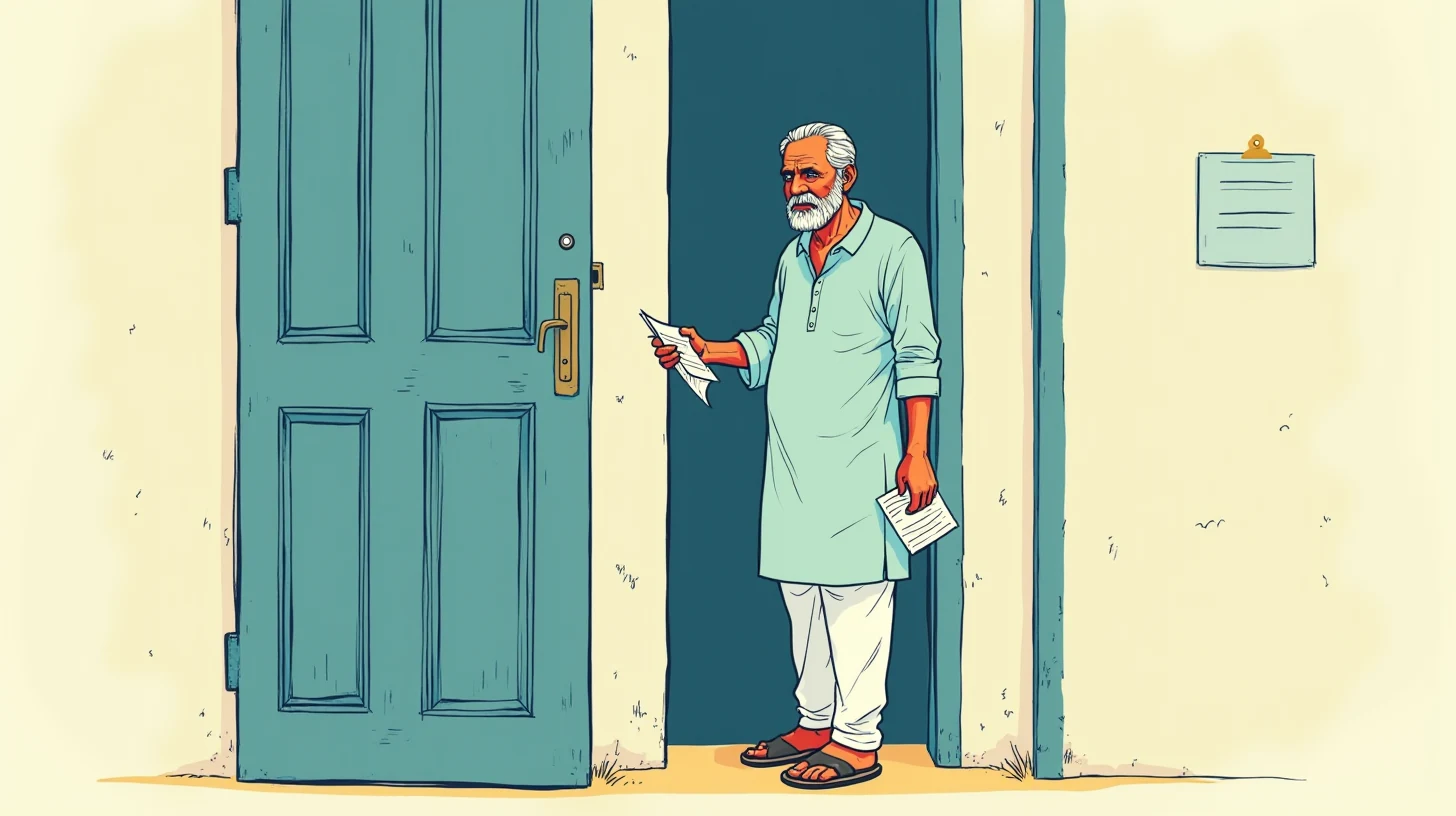
When Kavya qualified for the National Scholarship Portal (NSP) pre-matric OBC scholarship—her marks solid, the family income below the ₹1 lakh threshold, her Vanniakula Kshatriya community listed in Puducherry's OBC schedule—Raman filled the forms without hesitation. He had the community certificate within a week from the Revenue Department. Then came the domicile requirement: five years of continuous residence in Puducherry UT, certified by the ward Member and verified by the Revenue Department.
The ward Member's office was three hundred meters from the auto stand.
The answer she gave him there would take him on a different route altogether.
🗓️ The Paper Trail That Nobody Expected
Raman walked in with his Aadhaar, his ration card, his rent receipts, his auto insurance documents—everything that proves a man has built a life in a place. The ward Member (an elected councillor responsible for Orleanspet ward) looked at the ration card and stopped.
"Where did this come from originally?" she asked.
"Tamil Nadu," Raman said. "I transferred it to Puducherry nine years ago."
The ward Member shook her head. She explained—with the tone of someone who has seen this before—that the ration card transfer from a Tamil Nadu District Supply Office (DSO) to a Puducherry DSO still created a paper trail question in her mind. How could she sign a "continuous residency declaration" if the Distribution System itself had records of a transfer? What if there was a gap? What if the transfer wasn't complete?
"Verify with the DSO first," she said. "Once you get a confirmation letter from the Puducherry DSO showing that your family is on their rolls, bring it back. Then I can sign."
Raman left the ward office with a single instruction that felt like an obstacle course.
The DSO's office was in the Civil Supplies & Consumer Affairs Department building, a fifteen-minute auto ride from Orleanspet. He had never been there before. He knew what a ration card was—he had lived by it for nine years—but he had never thought about the machinery behind it. Who would?
That evening, waiting at the auto stand for passengers, Raman mentioned it to Murugan, another driver who had been running autos in Orleanspet for longer than he had. Murugan's face lit up.
"I had the same problem last year," Murugan said. "My son's school needed a domicile certificate. Same thing—the ward Member wanted DSO confirmation. But I got confused about what that even meant. A colleague's daughter got help from an agent—someone who talks you through these things. They explained it all in Tamil. Want me to ask around?"
Murugan found a contact for an agent through his network, and Raman called that evening. The agent called back within an hour.
⚠️ What the DSO Letter Actually Meant
The agent's voice on the phone was calm and familiar—someone who understood the landscape without needing Raman to spell out every frustration.
"DSO-ன் கடிதம் சிக்கலில்லை. நீங்கள் DSO பட்டியலில் இருக்கிறீர்கள் என்பது மட்டுமே. தமிழ்நாடு DSO-ற்றும் புதுச்சேரி DSO-ற்றுக்கு மாற்றம் முடிந்து விட்டது. அவ்வளவு தான்। DSO அலுவலகத்திற்கு சென்று ரேஷன் கார்ட்டுடன் ஒரு விண்ணப்பம் அளிக்கவும். ஒரு நாளே கடிதம் கிடைத்து விடும்। பிறகு வார்ட் மெம்பர் கையெழுத்து. பிறகு தக்சில் அலுவலகம். ডோমিசைல் சர்टिफिকेট கிடைக்கும்।"
(The DSO confirmation is not complicated. It just says you are on the DSO rolls. The transfer from Tamil Nadu to Puducherry is complete. That's all. Go to the DSO office with your ration card and submit an application. The letter will be ready in one day. Then take it to the ward Member for her signature. Then to the Tahsildar's office. You will get the domicile certificate.)
The agent explained the process: Raman would go to the Puducherry DSO office with his ration card and an application letter requesting confirmation that his family had been registered under the Puducherry DSO for the past nine years (or however long it had been). The DSO staff would check their records, prepare a confirmation letter on official letterhead, and hand it to him. One day. Maybe two if the clerk was busy.
"Then what?" Raman asked.
"Then you take that letter to the ward Member. You show her that the Puducherry DSO has you on their rolls. That's the paper trail she needs. Then she signs the continuous residency declaration. Then you take that to the Revenue Department's Tahsildar office, they cross-check the ward Member's signature and your residence proof, and they issue the domicile certificate."
"And if the ward Member still doesn't sign?" Raman asked. He had learned by now to ask the next question.
"Then you can go to the Revenue Inspector—the RI is above the ward Member in the hierarchy. The RI can verify residence independently and can substitute their verification for the ward Member's endorsement. But usually, the DSO letter is enough. The ward Member just needs to feel secure in the paper trail."
Raman wrote down the details and thanked the agent. He felt something shift—not relief exactly, but clarity. He was not chasing something invisible anymore. He was following a chain.
The DSO Office and the One-Day Letter
The Puducherry Civil Supplies & Consumer Affairs Department building sits in a quieter part of town. Raman arrived at 9:30 in the morning with his ration card and a handwritten application letter requesting DSO confirmation. He had prepared the letter the night before, following the format the agent had suggested: "I request confirmation that my family has been registered under the Puducherry District Supply Office and that our ration card is on your active rolls."
The DSO counter clerk looked at the request and his ration card, then checked the system. Three minutes of keyboard tapping. Then the clerk looked up.
"You've been with us since 2015. No issues. I'll prepare the letter today. Come back at 4 PM."
Raman came back at 4 PM.
The letter was ready. It was a single page on official DSO letterhead, signed by a supervisor, stating exactly what the agent had said it would state: that Raman Krishnamurthy's family had been on the Puducherry DSO's rolls since 2015 and was currently registered. It said "DSO-Puducherry" at the top in English and Tamil. It had a date stamp. A serial number. An official seal.
Raman held it like it was made of gold.
The next morning, he walked back to the ward Member's office in Orleanspet. This time, she smiled when she saw the DSO letter. She read it, made a photocopy, and signed the continuous residency declaration—a simple form stating that Raman Krishnamurthy had been a resident of Orleanspet ward for the past five years (a number she entered herself, based on her own knowledge of the ward). She stamped it with her ward office seal.
"This should do it," she said. "Take it to the Tahsildar's office."
The Tahsildar's office was in the heart of Puducherry town. Raman submitted the domicile certificate application with the ward Member's declaration, the DSO letter, his Aadhaar, his ration card, and a photograph. The Tahsildar's clerk—a woman who had clearly processed hundreds of domicile certificates—reviewed everything, cross-checked the ward Member's signature against her records, and stamped the application "received."
"Ten working days," she said.
Ten days later, the domicile certificate arrived. It was an official document on Revenue Department letterhead, certified with the Tahsildar's seal, stating that Raman Krishnamurthy had been a continuous resident of Puducherry UT for the period required under the domicile rules. The date on it was May 8, 2026.
The Scholarship Submitted and Disbursed
With the domicile certificate in hand, Raman completed the NSP application on scholarships.gov.in. He filled in Kavya's details, uploaded the community certificate, the domicile certificate, the school form (signed by Kavya's principal), and proof of family income (a combination of his auto lease agreement and Vijaya's vegetable vendor market license). He submitted the application on May 12, 2026—eighteen days after the ward Member had first asked him to verify with the DSO.
The NSP portal showed the application as "under review" for two weeks. Then, on May 26, an email arrived in his phone: "Your daughter's NSP pre-matric OBC scholarship for Puducherry UT has been approved. The amount of ₹4,500 per month (for 10 months) has been disbursed to the bank account associated with your registered mobile number."
Kavya's school announced the scholarship over the intercom the next day. Vijaya cried—not because of the money, though four and a half thousand rupees per month would help with books and tuition, but because it meant that eighteen years of living in this place, of selling vegetables at the same market, of Raman driving the same routes at dawn and dusk, had finally been recognized by something bigger than themselves.
"Puducherry has been my home for eighteen years. I never thought I was not Puducherry. But the system needed proof, and the proof needed a paper trail. Once I understood what the paper trail was—just a letter from the DSO saying I am on their rolls—it took one day. One day! The ward Member was not being difficult. She just needed to feel sure. The agent explained it. That made the difference."— Raman Krishnamurthy, May 2026
"புதுச்சேரி நிபத்தனது என் வீடு. பதினெட்டு வருடங்கள் இங்கே இருக்கிறேன். நான் பதுச்சேரி அல்ல என்று நினைத்தேன் இல்லை. ஆனால் சிஸ்டம் ஆதாரம் வேண்டும். அந்த ஆதாரம் ஒரு கடிதமாக இருந்தது. DSO மிருந்து: நீ எங்கள் பட்டியலில் இருக்கிறாய். ஒரு நாள் தான் வேண்டிய! வார்ட் மெம்பர் கடினமாக இருக்கவில்லை. அவளுக்கு உறுதி வேண்டியிருந்தது. ஆ ஒரு மனிதர் அதை விளக்கினான். அந்த மனிதர் சொல்லியது அந்த வித்தை."
🧭 What the Agent Said in Tamil
When Raman called the agent back after the domicile certificate had arrived, he asked the agent to explain the alternative path—what would have happened if the ward Member had refused.
The agent responded in Tamil, which Raman later paraphrased for Murugan:
"DSO-ன் கடிதம் வேண்டிய ஒரு நாள் அல்ல. அது எளிதான ஆதாரம். உங்கள் குடும்பம் புதுச்சேரி DSO-ன் பட்டியலில் இருக்கிறது என்பதை சொல்வது தான். அந்த கடிதத்தை வார்ட் மெம்பர் கொடுப்பார். ஆனால் அவர் நிராகரித்தால், Revenue Inspector என்பவர் இருக்கிறார். அவர் வார்ட் மெம்பர்க்கு மேலே. அவர் நேரடியாக ஐந்து வருடம் வசித்திருப்பதை சரிபார்க்க முடியும். ஆதார், ரேஷன் கார்ড், வாடகை ரசீது, மின்சாரம் பில், தக்சிலுறாக மாற்றுதல் பட்டியல்—எல்லாவும் ஒরு பட்டியলில் சொல்லலாம். Revenue Inspector அந்த ஆதாரத்தை சரிபார்த்து, வார்ட் மெம்பர்ன் கையெழுத்துக்கு பதிலாக அவர் சொல்லலாம்: 'ஆம், இவர் புதுச்சேரியில் ஐந்து வருடம் தொடர்ச்சியாக வசிக்கிறார்.' அந்த சொல்லுப்பதோ உங்களுக்கு சாவி."
(Translation: "The DSO letter is not something that takes a long time. It's simple proof. It just says your family is on the Puducherry DSO's rolls. The ward Member will give it to you. But if they refuse, there is a Revenue Inspector. They are above the ward Member. They can verify directly that you have lived here for five years. Aadhaar, ration card, rent receipt, electricity bill, municipal records—all of it can be shown together. The Revenue Inspector checks the proof and can say instead of the ward Member's signature: 'Yes, this person has lived in Puducherry continuously for five years.' That signature becomes your key.")
The agent had used the word "சாவி"—key—to describe the Revenue Inspector's authority. Raman remembered it because it felt exactly right. The domicile certificate was not the goal. It was the key that opened the NSP scholarship door.
🌱 The Shape of the Problem in Puducherry
What Raman encountered was not corruption or incompetence. It was a system designed to prevent fraudulent domicile claims—important because domicile status grants access to scholarships, job reservations, land-ownership benefits, and other protections meant for genuine residents of the UT. The ward Member's request for DSO confirmation was a reasonable gatekeeping step. The problem was that nobody—not the ward Member's office, not the NSP portal, not the school's guidance counselor—had explicitly explained what the DSO confirmation process actually meant or how long it would take.
Raman arrived at the ward Member's office with eighteen years of lived experience and no language to translate that experience into the system's vocabulary. The ward Member spoke the system's language fluently but had no way of knowing whether every ration card transfer represented a complete paper trail. The two sides were not in conflict; they were simply not able to speak to each other without a bridge.
The agent was the bridge. Not because the agent knew some secret—the agent just had spent time understanding how the pieces fit together and could explain it in the language Raman used at home.
A day at the DSO office. A signature from the ward Member. A submission to the Tahsildar. Eighteen days from obstacle to scholarship approval. And a daughter who will go to Class 11 next year knowing that her father's eighteen years of work in Puducherry had been seen, officially recognized, and rewarded.
That is what the paper trail, once understood, could do.