
The Amritsar sub-inspector and the name that the EPFO wouldn't reconcile
Gurpreet Kaur walked out of the Amritsar Police Headquarters on a Tuesday afternoon in March 2024, her service file under one arm and a folder of pension paperwork under the other. Twenty-six years of early mornings in the surveillance unit, of night shifts at checkpoints, of commendations and careful notes in her service record—all of it compressed into signatures, dates, and the official stamp that marked her as retired.
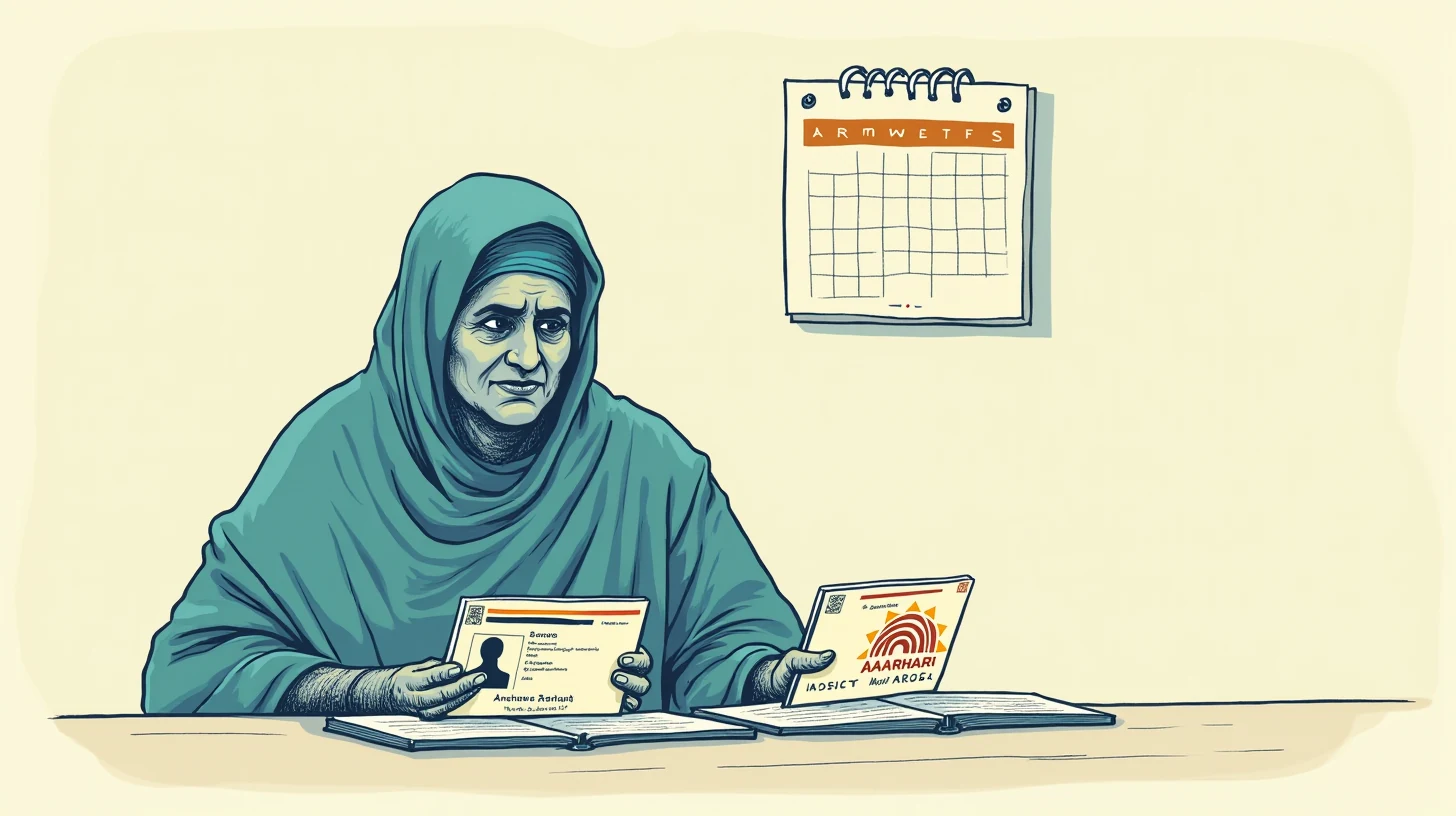
She was sixty. The pension was waiting. Or so she thought.
Three weeks later, the EPFO portal lit up red. Aadhaar seeding failed. Name mismatch detected. Gurpreet Kaur, said the salary slips. Gurpreet Kaur Brar, said her Aadhaar card. One woman. Two names. And a pension frozen in the space between them.
The irony wasn't lost on her. In the Punjab Police, a woman's identity was defined by her service number and her rank. But the moment she tried to claim what she'd earned, the state's digital systems looked at her papers and saw a stranger. Her family name—Brar, her husband's clan—had been added to her Aadhaar during a routine update after marriage, a practice as old as Sikh wedding traditions in the region. Her service records, registered when she first joined at thirty-four, had never been changed. To EPFO, she was two different people.
For twenty-six years, she had been Sub-Inspector Gurpreet Kaur. Now, at the finish line, the name she had chosen for herself—or rather, the name that had been chosen for her at marriage—was keeping her from the pension she'd contributed to every month of her career.
🗓️ Punjabi naming conventions and EPFO systems
Punjab and the wider Sikh community follow a naming convention older than most government databases. A Sikh woman is given a first name and the surname Kaur (meaning princess). Her father's clan name—her gotra—might be known within the family but isn't legally formalized. When she marries, many women opt to add their husband's clan name to official documents, especially to Aadhaar, as a marker of her new household. So Gurpreet, born to the Malhotra family, became Gurpreet Kaur. At thirty-two, she married into the Brar family and, years later, updated her Aadhaar to Gurpreet Kaur Brar.
The Punjab Police, meanwhile, had hired her as Gurpreet Kaur in 1998. That name went on every salary slip, every service certificate, every monthly contribution to the EPFO. The Employees' Provident Fund Organisation—a creature of 1952, designed in an era before digital identity, before Aadhaar, before clan names on government databases—built its identity around the UAN (Universal Account Number) tied to the name on the salary slip. Your UAN was your pension.
Aadhaar, launched in 2009 and made mandatory for most financial transactions by the 2010s, became the new gold standard for KYC (Know Your Customer). In 2021, EPFO began a seeding process: match every member's UAN to their Aadhaar, verify the link, and close a loop that had never existed before. It was meant to be seamless.
Gurpreet's case was the seam itself. The system had no logic for two names that were clearly the same person, issued by the same government, just at different times and for different reasons.
- ❌
Form 10D rejected — Aadhaar KYC seeding fails
EPFO records show 'Gurpreet Kaur' but Aadhaar shows 'Gurpreet Kaur Brar'. Automated name-matching fails. Pension application rejected.
- 📋
Joint Declaration Form (JDF) submitted
Gurpreet and Punjab Police HR both sign the JDF declaring both names refer to the same person. Gazette notification (if any) attached.
- 🏢
EPFO Amritsar office processes JDF
EPFO Regional Office Amritsar verifies the declaration. Name corrected in UAN records in 9 working days.
- ✅
Aadhaar seeding completed — Form 10D approved
KYC seeding succeeds. Form 10D (EPS-95 pension application) resubmitted and approved. ₹1,800/month pension starts.
Timeline: From Retirement to Stuck
Retirement filed → Form 10D submitted (pension application) → Aadhaar seeding initiated → Name mismatch error → EPFO: "Update your Aadhaar" → Punjab Police: "We can't change service records" → Agent recommends Joint Declaration Form (JDF) → JDF filed with employer countersignature → EPFO HR verification completed → Name corrected in UAN records → Pension approved (₹1,800/month).
⚠️ The catch-22
Gurpreet spent the first two weeks thinking it was a simple fix. She logged into the EPFO portal. There was a link: "Update member details." She clicked it. The form asked for her Aadhaar number and date of birth. She filled them in. But the system wouldn't let her override the UAN name manually. Aadhaar data is authoritative, the portal said. Contact your employer.
So she did. She went back to Punjab Police HR at the Amritsar headquarters and explained that her Aadhaar name—the one issued by the government itself—didn't match the service records. Could they update the records?
The HR officer was sympathetic but firm. "We can't change service records. They're historical. If we change them, we change your entire career." He was right, in a bureaucratic sense. Gurpreet's salary slips, her promotions, her commendations—all tied to that one name. Changing it now would unravel decades of documentation.
She went back to EPFO. "My employer says they can't change it. Can you change the Aadhaar link on my UAN?"
EPFO said they couldn't do that either. The seeding was one-way: Aadhaar was the source of truth. If there was a mismatch, the member had to resolve it by getting a formal name-change order, a gazette notification, or... they didn't quite finish that sentence. There was no path forward written in the system.
For ten days, Gurpreet sat with the folder open on her dining table, the Aadhaar and EPF passbook side by side, both legitimate, both useless.
"ਛੱਬੀ ਸਾਲ ਸੇਵਾ ਕੀਤੀ। ਹੁਣ ਮੇਰੇ ਨਾਮ ਦਾ ਇੱਕ ਅੱਖਰ ਮੇਰੀ ਪੈਨਸ਼ਨ ਰੋਕੇ ਬੈਠਾ ਹੈ।"— Served for twenty-six years. Now one letter in my name is blocking my pension.
🌱 The solution that needed two signatures
"There's another way," said the pension counselor at the local LIC office, who knew these corridors well. "It's called a Joint Declaration Form. You and your employer both sign it, declare that these are the same person, and EPFO treats that as sufficient evidence."
Gurpreet had never heard of it. Neither had the HR officer at first. But the form existed—tucked into EPFO's Unified Portal under "Member Services," easy to miss but legally solid. The JDF (Joint Declaration Form) was designed precisely for this: when the member's UAN record and Aadhaar record differ due to naming convention, marriage, transliteration, or clerical error, and both the member and employer can verify it's the same person.
Here's how it worked:
You fill out the JDF with both names clearly written. In one column: Name in UAN Records (Gurpreet Kaur). In another: Name in Aadhaar (Gurpreet Kaur Brar). You declare, under penalty of perjury, that these refer to the same person and that the difference is due to a marriage surname update.
Your employer—in Gurpreet's case, the Punjab Police HR office—countersigns the form. They verify that they know you, that you worked under the name on the salary slip, and that the Aadhaar name is a valid update reflecting the same individual.
Both copies go to the nearest EPFO office.
Gurpreet filled the form out on a Friday. She drove back to Police Headquarters on Monday and got the HR signature by 10 a.m. (Retirement, it turned out, had its small privileges; she was still welcome.) By Tuesday, she was at the EPFO Amritsar office, form in hand, along with her Aadhaar, her EPF passbook, and copies of her service certificates showing the Kaur name.
"It usually takes nine working days," the EPFO clerk said, stamping the form. She'd heard this before. It was a known issue, quiet but common enough that the staff didn't seem surprised.
Nine days later, she checked the portal. The red error was gone.
🌗 The Joint Declaration Form and what it actually means
"ਤੁਹਾਡੀ UAN ਵਿੱਚ ਨਾਮ 'ਗੁਰਪ੍ਰੀਤ ਕੌਰ' ਹੈ ਅਤੇ ਆਧਾਰ ਵਿੱਚ 'ਗੁਰਪ੍ਰੀਤ ਕੌਰ ਬਰਾੜ' — ਇਹ Joint Declaration Form ਨਾਲ ਠੀਕ ਹੋਵੇਗਾ। ਆਪਣੇ ਪੁਰਾਣੇ ਮਾਲਕ ਤੋਂ ਦਸਤਖਤ ਕਰਾਓ ਅਤੇ EPFO ਦਫ਼ਤਰ ਜਾਓ। ਨੌਂ ਕੰਮਕਾਜੀ ਦਿਨਾਂ ਵਿੱਚ ਨਾਮ ਮੇਲ ਹੋ ਜਾਵੇਗਾ ਅਤੇ ਪੈਨਸ਼ਨ ਮਨਜ਼ੂਰ ਹੋ ਜਾਵੇਗੀ।"
(Your UAN shows 'Gurpreet Kaur' and Aadhaar shows 'Gurpreet Kaur Brar' — this will be resolved with the Joint Declaration Form. Get your former employer's countersignature and go to the EPFO office. In nine working days the name will match and your pension will be approved.)
For members with name mismatches, here's the straight path:
Step 1: Identify the names. Pull up your UAN records (from EPFO portal or latest EPF statement). Pull up your Aadhaar. Are they different? Write down both versions exactly as they appear.
Step 2: Get the JDF. Log into the EPFO Unified Portal (unifiedportal-mem.epfindia.gov.in). Navigate to Member Services > Download Forms and search for "Joint Declaration Form" or "JDF." Download it.
Step 3: Fill and sign. Complete the form with:
- UAN number
- Both names (UAN version and Aadhaar version)
- Reason for the difference (marriage name change, clan surname addition, transliteration variation, etc.)
- Your signature and date
- Any supporting documents: Aadhaar, marriage certificate, gazette notification if available
Step 4: Get employer countersignature. This is critical. Take the form to your employer's HR or payroll office. They must verify your identity and sign the form, confirming they know you worked under the UAN name. For retirees, this is often straightforward—they have your file, your tenure is documented, and they have an interest in processing your pension.
Step 5: Submit to EPFO. Submit the signed form at your nearest EPFO office (in-person preferred) along with copies of your Aadhaar and any supporting documents. Get a receipt.
Step 6: Wait. EPFO typically takes 7–10 working days to verify the employer's countersignature and update the UAN records.
In Gurpreet's case, having a gazette notification of her name change (issued by Punjab's state government during an Aadhaar update drive) helped. The EPFO officer was able to cross-reference it, shortening the verification.
How the Joint Declaration Form fixes the mismatch
[UAN Records: "Gurpreet Kaur"] ← JDF declares identity → [Aadhaar: "Gurpreet Kaur Brar"]
Both documents now point to the same EPFO profile. Seeding is cleared. Pension proceeds.
🧭 The naming convention the system wasn't designed for
The problem isn't Gurpreet's alone. Across Punjab and Haryana, the EPFO database contains thousands of members with this same kind of mismatch. Women from Sikh and other communities where clan surnames are added at marriage, women whose names have been transliterated differently on different documents, women who changed their names through a gazette notification but whose employers never updated the payroll system.
When Gurpreet's case made its way through the EPFO office, the staff member processing it didn't act like this was unusual. "We see this maybe ten times a week," the clerk said. "Mostly Punjabi women. Same story: service records in one name, Aadhaar in another."
The EPFO was designed for a different India—an India where identity was stable, where names were fixed at birth, where government records were rare and inconsistent. Aadhaar changed that. It made identity verifiable and portable. But it also created new bottlenecks for people whose identities had evolved with their lives.
The JDF was the system's answer: a human-centered workaround for cases the algorithm couldn't handle. It works because it trusts the employer to vouch for the member, because it allows for the fact that people change and that multiple valid names can refer to the same person. It's bureaucratic, but it's not broken.
What it does
- 📋Explains the Joint Declaration Form process: where to download, what to write, and which EPFO office to submit to in Amritsar
- 🤝Advises on getting Punjab Police HR to countersign — specifically who to approach in the HR department for this
- 📰Explains when a gazette notification of name change adds evidential weight and how to obtain one if not available
What it does not do
- 🔒Never accesses Gurpreet's UAN account or submits the JDF on her behalf
- ✅Never guarantees the correction timeline — EPFO Amritsar determines the processing duration
🌱 The pension that needed a signature from her old employer
Gurpreet's pension was approved on a Thursday in April. ₹1,800 per month, calculated on twenty-six years of contributions and her final drawn salary. It would arrive on the 15th of each month, direct to her bank account, for the rest of her life.
When she heard, she was tending the small kitchen garden behind her house in Amritsar—tomatoes, cilantro, ginger. Her daughter called from Delhi. "It's done, then?"
"It's done," Gurpreet said. "The EPFO sent a letter. The JDF worked."
The irony stayed with her, though it had lost some of its bite. She'd had to go back to her old employer—the place she'd just left—to prove that she was herself. But that signature had unlocked a lifetime of payments for work she'd already given. In the end, it was less a barrier and more a strange kind of closure. The Punjab Police, through HR, had to formally acknowledge her retirement not once but twice: once in the service register, once in the JDF signature. It was bureaucratic, but it was done.
By May, the first ₹1,800 had landed in her savings account. She didn't withdraw it immediately. She let it sit there for a few days, just to be sure it was real, that the name mismatch had truly been resolved, that the EPFO had finally accepted that Gurpreet Kaur and Gurpreet Kaur Brar were the same person all along.
When she did withdraw it, she used it to buy new plants for the garden—jasmine, marigold, and a small lemon tree. At sixty, with a pension starting, she could afford to think about perennials. Things that would outlive the paperwork. Things that wouldn't ask for proof of identity.
What you need to know
If your name differs between your UAN and Aadhaar:
- Don't wait. The EPFO Aadhaar seeding is ongoing, and blocking errors will accumulate the longer you delay.
- The Joint Declaration Form is your tool. It's designed exactly for this scenario.
- Your employer—even if you've retired—is usually willing to sign. They have your service file and your tenure is documented.
- If you have a gazette notification of a legal name change, include a copy. It speeds up verification.
- Submit in person at your EPFO office and get a dated receipt. This creates a paper trail.
- Expect 7–10 working days. EPFO will contact your employer to verify the countersignature.
Free resources:
- EPFO Unified Portal: https://unifiedportal-mem.epfindia.gov.in (Download JDF under Member Services > Forms)
- Your nearest EPFO office: Listed on the portal by state and district
- EPF helpline (toll-free in India): 1800-118-005
If name correction is complex: Some cases involve spelling changes, transliteration variations, or multiple document updates. For these, consider consulting a pension advisor or the State Pension Fund Authority office in your region. They often have specialized staff for handling legacy name mismatches.
Gurpreet's case took nine days and two signatures. It could have stretched to months if she'd waited for a different solution, or given up thinking there was none. The JDF isn't a fast fix—but it's a real one, and it's available right now on the EPFO portal.