
The Port Blair retiree and the knee replacement the island couldn't do
Subramanian Pillai had spent the last quarter-century in the Andaman & Nicobar Islands. Twenty-four years as an Administration officer, posted first to Port Blair and later to Campbell Bay — enough time to watch the islands grow, to learn the rhythm of the monsoons, to know every official in the Collectorate by first name. His pension was secure. His CGHS card, issued after decades of central government service, lay in his wallet beside his identity documents.
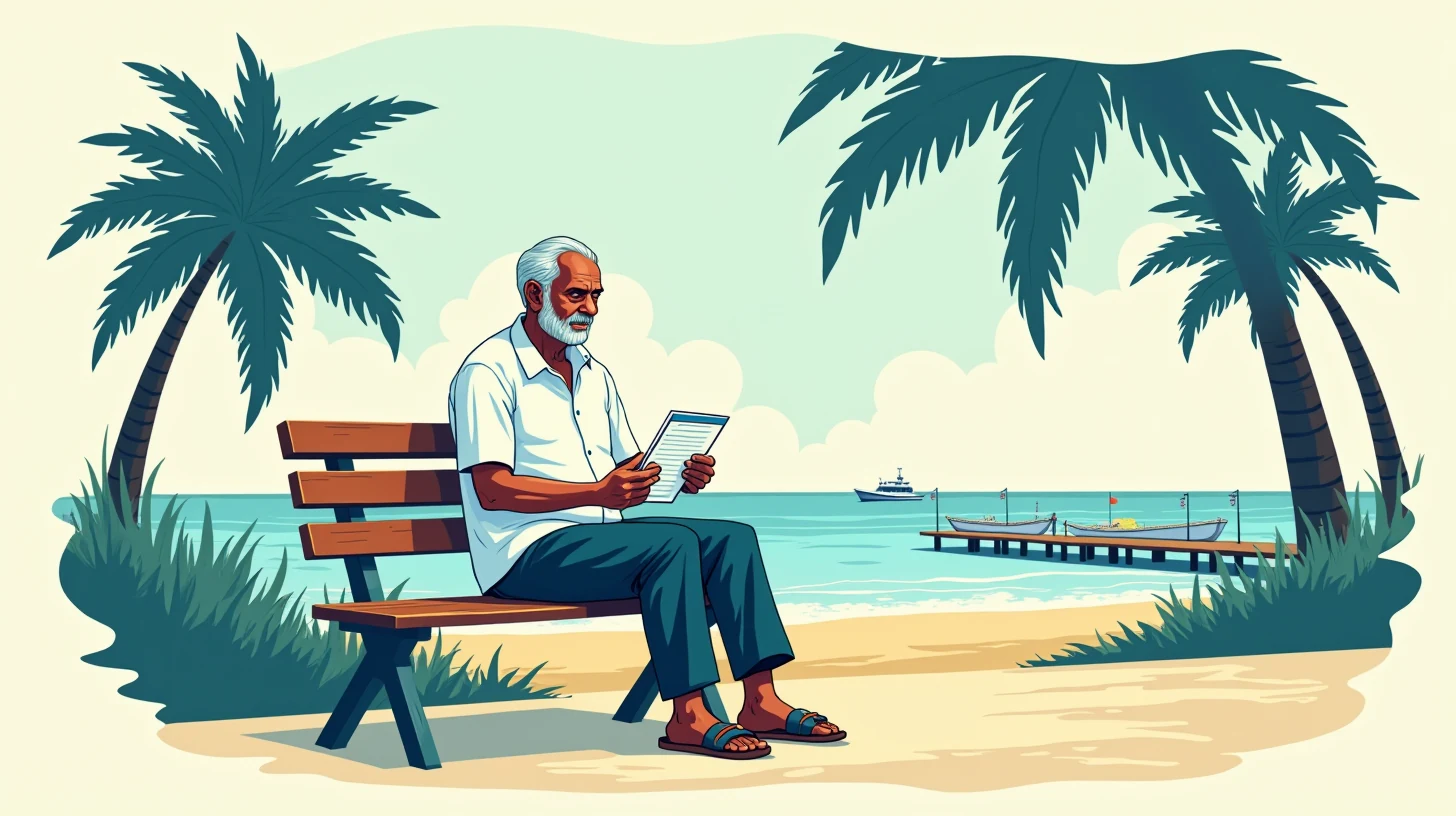
🗓️ CGHS in the islands — what's available and what isn't
Then came the knee. Not sudden. The cartilage had been weakening for years — too many monsoons, too many stairs in colonial-era offices. By the time Dr. Sharma at the Port Blair General Hospital said the word "replacement," Subramanian was walking with a limp, unable to climb the steps to his own house without gripping the handrail.
He held up his CGHS card.
"This will cover it," he said to his daughter. "I've paid into this scheme for thirty years."
What he didn't know — what no one had told him — was that his card was only half a solution. Port Blair had a CGHS Wellness Centre. That centre could handle routine consultations, outpatient care, basic medicines. But for orthopaedic surgery, for the kind of tertiary care that a knee replacement demanded, Port Blair's Wellness Centre had no empanelled hospital. The card was valid everywhere except where he needed it most.
:::infographic type: boundary [Port Blair CGHS coverage: GP visits, consultations, medicines, basic diagnostics | No empanelled hospitals for: knee replacement, complex orthopaedics, neurosurgery, advanced cancer treatment]
It was this gap — the gap between having insurance and being able to use it in your own town — that would send Subramanian on a journey south, across the Bay of Bengal, to the mainland.
⚠️ The referral chain nobody explained
Subramanian's first instinct was practical: if Port Blair couldn't do it, he would go to Delhi. His son was posted there, working in a software company. He could stay with family, get the surgery done at one of the big hospitals in South Delhi. Private hospital, pay out of pocket, avoid the bureaucracy.
But the cost would be seventy to eighty thousand rupees. His pension was stable but not luxurious. His wife had her own health concerns — diabetes, requiring quarterly monitoring. The money would come from the fixed deposit meant for emergencies.
It was his daughter, younger by fifteen years and sharper with government schemes, who said: "Papa, you have a CGHS card. There must be a process for this."
There was. But nobody at Port Blair General Hospital had explained it.
Subramanian made an appointment with the CMO at the CGHS Wellness Centre — Dr. Saxena, a kind man in his fifties who worked part-time and seemed perpetually overextended. The Wellness Centre was a single-storey building near the boat jetty, painted government green, smelling of disinfectant and old files.
"You need a referral," Dr. Saxena said, scanning Subramanian's X-rays against the light. "Port Blair doesn't have the facility for knee replacement. But CGHS has empanelled hospitals on the mainland — Apollo in Chennai, SSKM in Kolkata, a few others. We'll refer you to one of them."
"Will they accept my card?" Subramanian asked.
"If the referral is proper, yes. Completely cashless. You pay nothing."
Dr. Saxena explained the sequence. It was simple, on paper. In practice, it required navigation through four separate bureaucratic checkpoints — each one a potential trap for those who didn't know the rules.
"CGHS കാർഡ് ഉണ്ടെന്ന് അറിയാം. ആ കാർഡ് ഇവിടെ ഉപകരിക്കില്ലെന്ന് ആരും പറഞ്ഞില്ല."(I knew I had a CGHS card. Nobody told me that card wouldn't work here directly.)
The referral chain began with paperwork. Dr. Saxena collected the X-rays, the blood test reports, the clinical notes from Dr. Sharma. Then he wrote a formal letter — not just any letter, but a letter on official CGHS letterhead, addressed to the Chief Medical Officer at Apollo Hospital Chennai, recommending Subramanian for tertiary orthopaedic care. The letter had to be specific: the diagnosis, the recommended treatment, the reason why local facilities were inadequate.
"This letter is your key," Dr. Saxena said, handing Subramanian a sealed envelope. "It tells the mainland hospital that we, CGHS Port Blair, have assessed you and verified that you need this treatment."
The second step was pre-authorisation. CGHS didn't just accept referrals; they also approved them. Subramanian or his daughter (she was the one who navigated digital forms) had to log into the CGHS portal at cghs.gov.in, upload the referral letter from Port Blair, submit his CGHS card details, and wait for approval. This usually took five to seven days.
"What if they reject it?" Subramanian asked.
"They won't," Dr. Saxena said. "As long as the condition is genuine and the referral is from an official CGHS centre, approval is automatic. But you have to upload everything yourself, or ask someone to do it for you. CGHS doesn't send an officer to collect forms."
The third step was contacting the empanelled hospital. Once CGHS pre-authorisation came through, Subramanian had to call Apollo Chennai, provide his authorisation number, and schedule the surgery. Apollo would then confirm to CGHS that the treatment was booked. Only after this confirmation would the fourth step — travel reimbursement — become eligible.
And the fourth step: travel. This was the part that surprised Subramanian.
"CGHS covers travel," Dr. Saxena said. "For you and one attendant. Ship fare from Port Blair to Kolkata or Chennai, train from there to the hospital, and back again. You don't pay; we reimburse you. Keep your tickets."
It was, Subramanian realised, a complete system. Not a perfect system — it required patience, literacy with online portals, knowledge of the rules. But it existed. For people like him.
🌗 Agent maps the full process including travel cover
It was at this point — when Subramanian sat in a chair in my virtual clinic, X-rays on his phone, confusion in his voice — that I walked through the entire chain with him, in Malayalam, because his English was serviceable but his comfort was in the language of his childhood in Kerala.
"നിങ്ങൾ ഇന്ത്യയുടെ കേന്ദ്ര ഗവണ്മെന്റ് ഉദ്യോഗസ്ഥന്റെ വിരമിച്ച സമ്പത്തുള്ള വിഭാഗത്തിൽ പെട്ടവരാണ്. നിങ്ങളുടെ CGHS കാർഡ് പോർട്ട് ബ്ലെയറിൽ GP സേവനത്തിന് മാത്രമാണ് ഉപയോഗിക്കാൻ കഴിയുന്നത്. എന്നാൽ നിങ്ങൾ സർജറിക്കായി തിരികെ വരുമ്പോൾ, നിങ്ങളുടെ ഫെരെൻസൽ കത്ത് നിങ്ങൾ ചെന്നായിലെ Apollo അല്ലെങ്കിൽ കൊൽക്കത്തയിലെ SSKM-ലേക്ക് കൊണ്ടുപോകണം. അവിടെ കാഷ്ലെസ് ചികിത്സ. നിങ്ങൾ ഒരു പൈസ പ്രദാനം ചെയ്യണ്ടതില്ല. ലഭ്യമായ ലോഡ് ചെയ്തിരുന്നുകൊടുത്തീര്ത് CGHS നിങ്ങളെയും നിങ്ങളുടെ കൂടെ വരുന്ന ഒരാളെയും സൂക്ഷ്മമായ ട്രെയിനിൽ കയറാനും കപ്പലിനിൽ കയറാനും പണം നൽകും.""
(You are a retired central government servant, a pensioner covered by CGHS. Your card lets you get GP care here in Port Blair. But for surgery, you carry your referral letter to Apollo Chennai or SSKM Kolkata. There, treatment is cashless. You pay nothing. Once pre-authorisation is granted, CGHS will pay for your ship fare from Port Blair and train fare to the hospital — for you and one person accompanying you.)
I walked him through the sequence again, this time with a timeline:
:::infographic type: timeline Week 1: Visit CGHS Wellness Centre CMO with clinical reports and X-rays. CMO assesses and writes formal referral letter to empanelled hospital on mainland.
Week 1-2: You or your daughter uploads referral letter and CGHS card details to cghs.gov.in portal. Formal pre-authorisation request submitted.
Week 2-3: CGHS processes and approves pre-authorisation. You receive approval number via email and SMS.
Week 3: You contact Apollo Hospital Chennai (toll-free: 1860-500-1066) with pre-authorisation number. Confirm surgery date and admit date.
Apollo's intake team: Confirms your case with CGHS and marks you as "pre-authorised patient." No deposit needed.
Surgery date: You and one attendant travel by ship and train. Keep all tickets for reimbursement claim.
Post-surgery: Apollo will submit all bills directly to CGHS. You are discharged with no bill to pay.
Within 30 days of discharge: Submit travel ticket originals to CGHS Port Blair for reimbursement. Reimbursement usually processed within 15-20 days.
:::
Subramanian listened. His daughter, sitting beside him, took notes on her phone.
"But what if Apollo says they can't fit me in?" he asked.
"They will," I said. "Apollo Chennai has a dedicated CGHS wing. They work on pre-authorisation cases continuously. Three-month wait, maximum. And you're a clean case — uncomplicated knee OA, no comorbidities except diabetes which is stable."
"What about my wife? Can she come?" His wife had never left Port Blair in the entire decade they'd lived there.
"CGHS covers one attendant. Your wife qualifies. Her ship and train fare come from CGHS, not from your pocket."
The tension in his voice eased slightly. He asked about the hospital — whether Apollo was good, whether the surgeons were trustworthy. I told him that Apollo Chennai was one of the oldest and most respected private hospital chains in India, that CGHS wouldn't empanel a substandard facility, that his surgeon would be a government-vetted orthopaedist. I told him that knee replacement, in 2026, was a routine procedure; that if he followed post-operative physio properly, he'd be walking without a limp within six months.
He was quiet for a moment. Then, in Malayalam, he said: "I thought I would have to leave my pension behind to get this done."
"No," I said. "The system exists for you. You just had to know it existed."
🧭 Systemic: Island retirees and mainland healthcare
Subramanian's situation wasn't unique. The Andaman & Nicobar Islands, despite their strategic importance and growing population, remained medically isolated. The Government Medical College in Port Blair was good — excellent for primary and secondary care. But for oncology, for complex neurosurgery, for advanced orthopaedics, for cardiac interventions, the islands had to refer out.
Hundreds of retired civil servants, military officers, and defence personnel lived on the islands. Many were pensioners under CGHS. Many had chronic conditions that required tertiary care. And many, like Subramanian, had no idea that their insurance carried them not just to Port Blair, but to the mainland's best hospitals.
The real gap wasn't in the insurance. It was in knowledge. CGHS was designed by and for people who worked in Delhi, who could walk into a CGHS hospital in central Delhi on Monday morning. The system's logic was sound: in places where CGHS-empanelled hospitals didn't exist, CGHS paid for travel to places where they did. But that logic had to be explained to a retiree in Port Blair, because the standard bureaucratic assumption was that you'd figure it out yourself.
Dr. Saxena had figured it out because he worked at the intersection: a CMO at a Wellness Centre who processed referrals. But the average pensioner didn't have that exposure. They had the card, but not the map.
This was the systemic problem: not lack of coverage, but lack of accessibility to the information about coverage.
Subramanian's journey, once he knew the steps, took exactly three weeks. Referral letter on Monday, pre-authorisation by Thursday, Apollo booking by Friday of the following week. His surgery was scheduled for six weeks out — enough time for his wife to arrange leave from her part-time job, for his son in Delhi to offer to book accommodations (Subramanian refused; Apollo had a guest house for CGHS patients' families), for Subramanian to mentally prepare.
🌱 Quiet close: surgery done, walking again
I didn't see Subramanian again for eight months. When he came back to my clinic — virtually, as he preferred — he was different. Not just physically. He walked without a limp. But more than that, he carried a kind of quiet confidence, the confidence of someone who had navigated a system that once seemed impossible and come out on the other side.
The surgery had gone smoothly. Apollo's orthopaedic team was everything Dr. Saxena had promised. Recovery had been hard — six weeks of strict physiotherapy, of learning to walk again, of patience while the new joint settled. But by month four, he was walking without a stick. By month eight, he was climbing stairs normally.
CGHS had reimbursed the travel costs. Nineteen thousand rupees for the ship fare, five thousand for trains, two thousand for local travel. Thirty-four thousand total — the exact amount he'd been afraid he'd lose from his fixed deposit. Instead, CGHS paid it back.
"What will you do differently now?" I asked him, in Malayalam.
He didn't answer immediately. Then he said: "I'll tell other retirees. There are others here — old officers, old military people. Many with the same knee problem. They think they have to go private, pay forty or fifty thousand. I'll tell them. I'll tell them about Dr. Saxena, about the Wellness Centre, about the referral. I'll tell them it's not impossible."
That, perhaps, is the real story. Not the individual journey, but the knowledge gap made visible and then closed. Subramanian Pillai had the insurance. He had the pension. He had the health condition. The only thing he'd lacked was someone to walk him through the map.
The system, once you could read it, was remarkably humane.
Resources
CGHS Main Portal: https://cghs.gov.in — Register for pre-authorisation, track claims, update family details.
CGHS Wellness Centre Port Blair: Near boat jetty, Port Blair. Walk-in consultations Monday–Friday, 9 AM–1 PM. Bring CGHS card and any medical reports.
CGHS Empanelled Hospitals (South India):
- Apollo Hospital Chennai: 1860-500-1066 (CGHS helpline)
- SSKM Hospital Kolkata: Direct CGHS liaison available
- Fortis hospitals in Bangalore and Hyderabad (full CGHS empanelment)
Travel Reimbursement Claims: Submit original tickets to CGHS Wellness Centre Port Blair within 30 days of discharge. Reimbursement credit to bank account within 3 weeks.
Eligibility: Central government servants (retired), family pensioners, ex-servicemen (under certain conditions). CGHS card number required for all transactions.