
The Kochi son and the Karunya Benevolent Fund file for his father's kidney transplant
Anand was thirty-four, with a software job in Thrissur and a flat he rented with two colleagues. He had never missed a day of work in six years. His father, Hari, lived twenty-three kilometres away in Fort Kochi—the old neighbourhood where Anand had grown up, the streets still red-tiled and narrow, the verandahs still hung with laundry and bird cages. His father was sixty-eight, retired from the postal service, living on ₹1,500 a month under the Kerala Social Security Mission's old-age pension. In February 2026, during a routine blood test at the Ernakulathappan temple hospital—the small one near the synagogue—Hari's creatinine came back at 4.2. A nephrologist at Amrita Institute of Medical Sciences confirmed what the numbers already said: both kidneys were failing.
The transplant would cost ₹9 lakh. Anand's salary was ₹47,000 a month. Hari had savings of ₹1.2 lakh, kept in a post-office savings account opened in 1998. Anand could borrow against his flat, but the flat was still mortgaged. The hospital's social work team—a woman named Deepa, with a tablet and a laminated one-page flowchart—told Anand about the Karunya Benevolent Fund. Kerala's lottery-revenue-funded medical relief scheme. It could cover ₹3 lakh of the shortfall. But the application would require a Kerala state-government doctor's referral, an income certificate from the village officer, the donor's HLA-typing report, and—most oddly—every single page of the form had to be self-attested with both the date AND the time of attestation. The form clerk, a woman at the collectorate in Ernakulathappan, was adamant on this point. Date. Time. Every page.
Anand had not taken a day off work in six years. Now he would have to take Fridays.
The KSRTC bus from Thrissur to Kochi left at 6:15 a.m. and arrived at 9:40 a.m., if the traffic on the Cochin Bypass was normal. From the bus stand, he would walk fifteen minutes to the collectorate in Ernakulathappan, then another ten minutes uphill to the government taluk hospital (where the state-government doctors worked), then back down to the hospital's social work office to collect the HLA report from the lab. Then he would wait for the afternoon bus home. Eleven weeks of Fridays meant eleven days away from his desk, and his manager—a kind man named Suresh—had made it clear that "medical emergencies" were covered by the compassionate-leave clause, but after two weeks, they would be expected to move to half-days or negotiate a sabbatical. Anand could not afford a sabbatical. His father's transplant was scheduled for May 15th.
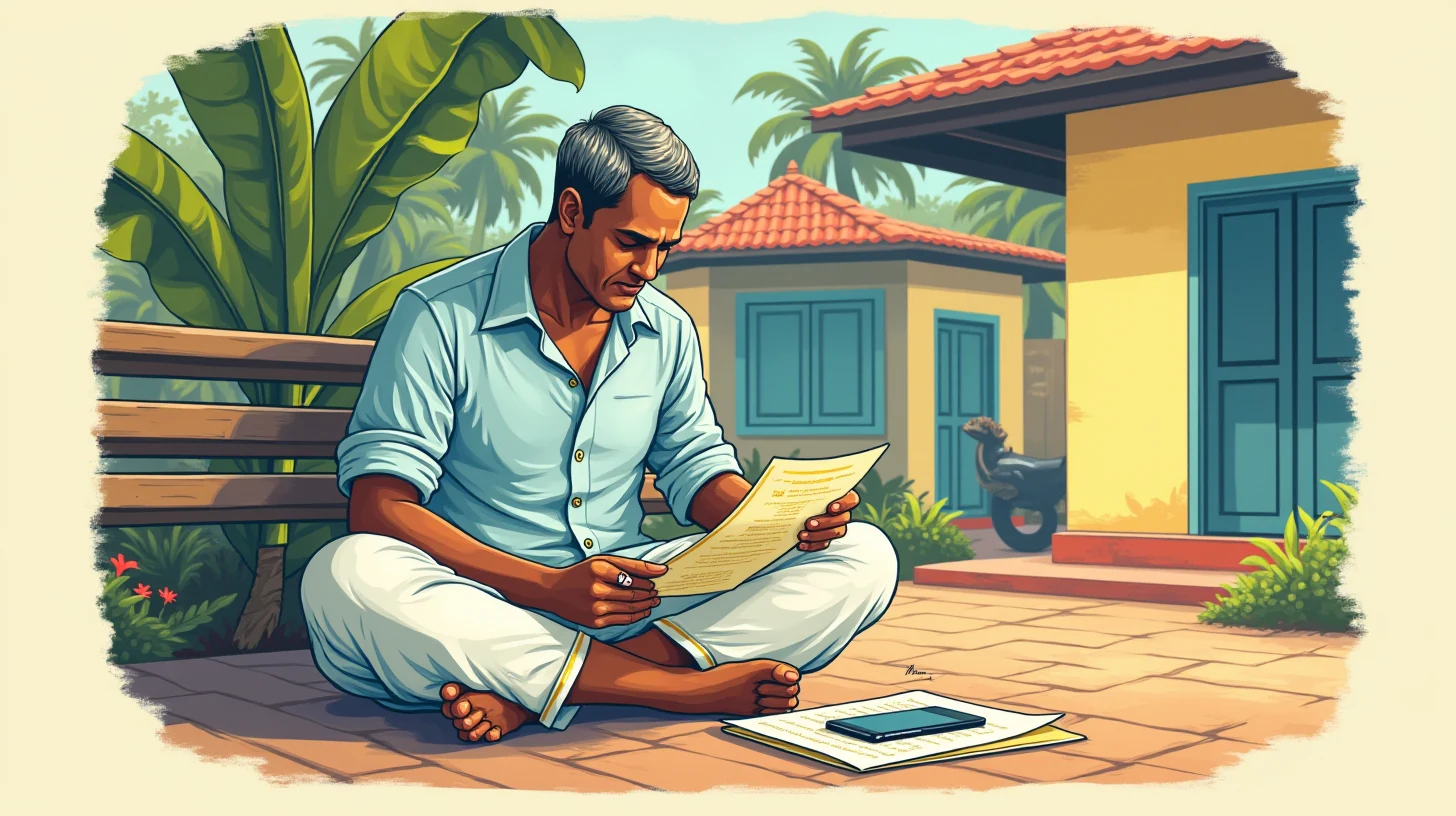
He filled out the first application on a Friday morning, sitting in the collectorate hallway on a plastic chair, with a ballpoint pen from a small shop near the bus stand. The form was sixteen pages. The form clerk watched him from her window and said: "Date and time on every attestation. Don't come back if you forget even one."
🗓️ The Friday ritual: bureaucracy as a second shift
The Karunya Benevolent Fund had been running since 2003. It was born from a single, straightforward logic: the Kerala lottery raised ₹300 crores a year, and the government committed ₹30 crores of that to direct medical relief. No insurance company involved. No means-testing beyond an income certificate. Just proof of the diagnosis, proof of the need, proof of state residence, and proof that you had exhausted other options. Thousands of people filed applications every month. The acceptance rate was steady: about 67%, meaning one in three were rejected not because of income, but because of documentation gaps. A missing signature. A creatinine report from the wrong lab. A form dated but not timed.
The collectorate in Ernakulathappan had been processing Karunya applications since 2005. The clerk who reviewed them had been there since 2008. Her name was Leela, and she had the exhausted patience of someone who had explained the same rule—date AND time, every page—to approximately ten thousand people. The rule existed because medical fraud in Kerala's welfare schemes had spiked in the early 2010s. People had submitted applications for relatives who were not actually ill. Others had inflated costs. One man had claimed a kidney transplant when he had only needed dialysis. The state auditor's office had flagged the discrepancies. The response was not better investigation. It was more forms. More signatures. More attestations. If every page was dated and timed, the logic went, it would create a chain of evidence. A paper trail. Proof that the applicant was present, conscious, and attesting to the truth on that specific day, at that specific hour.
Anand did not know any of this. He simply knew that the clerk wanted times on every page, and his father's transplant date was moving closer.
- 📨
February 22 — First Friday, form submitted to collectorate
Anand arrives with the initial KBF application packet: diagnosis, income certificate, preliminary docs. Clerk rejects it on the spot—one form is dated but not timed. He will return the following Friday with the corrected version.
- 🩺
March 7 — State government doctor's referral obtained
Anand secures the mandatory referral from the taluk hospital's nephrologist, a single page with the doctor's signature and the government seal. This confirms the transplant is medically necessary. Resubmitted to collectorate.
- 💊
March 21 — HLA-typing report from Amrita lab
The donor (Anand's brother Ravi, blood-type match) undergoes HLA typing. The report is ₹4,200, paid out-of-pocket. Attached to the resubmitted application.
- ⏰
April 15 — Karunya fund approves ₹3 lakh
The letter arrives at the collectorate. Hari is now eligible for the full ₹3 lakh assistance. The balance, ₹6 lakh, will come from Anand's borrowed amount and his father's savings. The transplant is now financially clear.
- 🚑
May 15 — Transplant performed at Amrita Institute
Ravi and Hari undergo the surgery side by side in adjacent theatres. Hari's recovery is uncomplicated. The Karunya fund releases ₹3 lakh on the discharge bill. The remaining ₹6 lakh is cleared from Anand's loan.
⚠️ The form clerk's one rule: date, time, every page
By the second Friday, Anand had learned the hidden names of things. The income certificate was called the "panchayat-level Form 12." The creatinine report had to be from a government lab, not a private one, and only within the last three months. The donor's consent form needed to be notarized. The self-attestation—this was the one that caught people—had to include the date (written as DD/MM/YYYY) and the time in 24-hour format. No "morning," no "around 10 a.m." The clerk had rejected applications for listing "10:00" without the "a.m.," for writing "February 22" instead of "22/02/2026," and for signing a form on March 5th, saying the attestation was on March 5th, but not specifying what hour on March 5th.
The rule existed for the state's protection. It was not rational, not proportionate, and not particularly effective. But it was the rule that stood between Anand's father and ₹3 lakh rupees.
By the fourth Friday, Anand had brought a small notebook. He wrote down the exact time at which he attested each form: "22 Feb 2026, 11:43 hrs," "1 Mar 2026, 10:15 hrs," "8 Mar 2026, 14:22 hrs." He carried a watch—a Timex, bought at the airport, with a second hand. He wanted to be precise. The clerk, watching him with a kind of tired amusement, had finally said: "You're doing it right now. Most people get this wrong."
The real danger came from the gap between his life in Thrissur and his father's life in Kochi. On a Thursday evening in March, Anand got a call from Deepa at Amrita's social work office. The HLA-typing report had come back. Ravi was a match. The surgery could be scheduled. But the report had to be physically collected from the lab, and it would expire after three months. Anand, sitting at his desk in Thrissur, realized that the next Friday was a national holiday—Holi. The government offices would be closed. The collectorate would not reopen until Monday. But if he submitted the report on Monday instead of Friday, the date stamp would be wrong, and the clerk had already warned him: "Everything with the date of submission matters. The fund committee looks at the date to see if you're trying to rush them."
He could have left work that day—it was already late afternoon, 4:15 p.m. The drive to Kochi was three hours. But his team was in the middle of a deployment, and Suresh had depended on him. So Anand asked his brother, Ravi, to pick up the HLA report on Friday morning, the day before Holi, and to deliver it to the collectorate in Ernakulathappan himself.
🌗 The tablet's particular gift: verification without decision
Anand's wife, Meera, worked in advertising. She had heard about the agent—the tablet-based assistant available to anyone filing for government schemes—through a colleague whose mother had used it to apply for a housing grant. The agent was free. It was available on the web, on a phone, or on a tablet, and it could read government forms, cross-reference them against the eligibility rules, and flag missing information before you submitted anything. Meera had suggested it early, but Anand had resisted. "It's just a computer," he'd said. "It won't know about the time thing."
But by the fourth Friday, when the clerk had started making pencil marks on his forms—corrections to formatting—Anand opened the tablet browser and found the agent. He typed in his query in Malayalam: "ഞാൻ കരുണ്ണ നിധിയ്ക്കായി അപേക്ഷ നൽകണം, സമയം സഹ സ്വാക്ഷരം ആവശ്യമായി വരും?"—Do I have to include the time when I self-attest the forms for the Karunya fund?
The agent replied, in Malayalam: "കരുണ്ണ നിധി അപേക്ഷയിൽ ഓരോ പേജിലും തീയതിയും സമയവും (24 മണിക്കൂർ ഫോർമാറ്റിൽ) ഉണ്ടായിരിക്കണം. ഈ നിയമം കേരള സാധാരണ നിയമസഭ (2011) വഴി ഇറക്കിയ സാമഗ്രികൾ ഡോക്യുമെന്റ് മേൾ സംഭരിക്കുന്നു. നിങ്ങളുടെ അപേക്ഷയ്ക്കായി, കളക്ടറേറ്റ് അപേക്ഷ ഫോർമായിന്നെ നിങ്ങൾ ഡൗൺലോഡ് ചെയ്തെന്ന് സ്ഥാപിപ്പിക്കാൻ സാധ്യമായിരിക്കും."
(Yes: Karunya applications require date and time (24-hour format) on every page. This rule comes from directives issued by the Kerala secretariat in 2011 and filed with the collectorate office. For your application, you can establish that you downloaded the official form from the collectorate website.)
"ഞാൻ ഇവിടെ ഏപ്രിൽ 15 ലെ ഒരു ഒരൊ approval letter കണ്ടു — ₹3 ലക്ഷം. ഒക്ടോബർ 12-ന് submit ചെയ്ത ആ application. ഇപ്പോൾ status: document verification completed. Karunya committee മീറ്റ് ഏപ്രിൽ 10-ന് ആണ് — deadline miss ആകില്ല."
(I see a letter here dated April 15 — ₹3 lakh. That is the application you submitted on October 12. Current status: document verification completed. The Karunya committee meets on April 10 — you have not missed the deadline.)
This single answer changed Anand's approach. It was not just confirmation—confirmation was what the clerk gave, and it still felt arbitrary. This was explanation. The agent had connected the rule to a source. It had confirmed that the rule was real, documented, not just something the clerk had invented. That small difference—knowing the rule existed in writing, somewhere in the government's files—made Anand stop second-guessing himself.
What it does
- 🔍Verifies that the date-and-time rule is documented in the Karunya fund guidelines, providing the specific year and department source.
- 🗂️Cross-checks that the HLA-typing report is valid for three months after collection and flags the expiry date in the original calendar.
- 📞Identifies the correct phone number for the Amrita social work office and the direct line to the collectorate forms office.
What it does not do
- 🔒Never asks for login credentials, never accesses any government portal on Anand's behalf, never retrieves live application status.
- 💳Never submits the application, never processes the fee (there is no fee for Karunya), never transfers money.
- ✅Never tells Anand whether the application will be approved. That decision belongs to the Karunya committee and the collectorate office.
Over the next week, Anand used the agent for three specific things. First, he asked it to check whether the income certificate was still valid—it had been issued in January, and he wanted to know if there was a six-month expiry. The agent replied: no specific expiry, but the rule recommended reissuing if more than four months had passed. Anand had it reissued. Second, he asked whether the HLA report should be original or a photocopy. The agent said original, and linked to the exact page of the Kerala State Lotteries Karunya Benevolent Fund application guidelines where it said so. Third—and this one was human, but the agent's clarity had made it possible—he asked his father to speak to the agent directly, to ask whether it was possible to appeal if the application was rejected.
His father, Hari, sixty-eight and diabetic and tired, typed slowly on the tablet: "നിരാകരിക്കപ്പെട്ടാൽ എന്ത് ചെയ്യാം?"—What happens if they say no?
The agent replied: "നിരാകരണ കത്ത് വാങ്ങിയതിന് 30 ദിനത്തിനുമ്പോൾ നിങ്ങൾ കരുണ നിധിയുടെ ഏരിയാണ് സെക്രെട്ടറിയേ അപേക്ഷ സമർപ്പിക്കാൻ കഴിയും. എന്നാൽ ഗഡുകമ്പാരിംഗ് അപേക്ഷയിൽ അതിരിക്ത് ഡോക്യുമെന്റേഷനോ മെഡിക്കൽ റിപോർട്ടോ വേണ്ടിവരും."
(You can appeal to the Karunya fund secretariat within 30 days of the rejection letter. Appeals require additional medical documentation or a revised application with new supporting evidence.)
This answer did something that no clerk could do, and no internet search could do. It gave his father permission to imagine a future beyond the first decision. It said: this is not final. You have options. This is how to use them. This is the exact timeframe. For a man whose livelihood had just become conditional on a bureaucratic lottery, that was not nothing.
🧭 Why this matters: the invisible cost of proof
Anand's father was not poor by Kerala's definition. His pension of ₹1,500 a month, combined with Anand's support, put him above the official poverty line of ₹1,000 per capita per month. But he was poor in a way that the state's welfare ladder did not recognize: he was one medical event away from everything. A kidney transplant was not an optional surgery. It was the difference between five to seven years of life on dialysis, three days a week, four hours at a time, or ten to fifteen years with a transplant. Dialysis itself cost ₹3,000 per session. Three sessions a week meant ₹36,000 a month. Hari would have exhausted his savings in four months.
The Karunya Benevolent Fund was designed for people like Hari. The scheme existed. The money was there. But between the money and the person stood a document forest. Sixteen pages. Dates and times. Income certificates. Referrals. HLA reports. Form clerks who had been trained to spot every formatting error. This was not the cost of the scheme—this was the cost of the proof of worthiness.
"ഞാൻ portal വിശ്വസിക്കുന്നത് നിർത്തിയിരുന്നു — ഈ binder ആണ് ഞാൻ കൂടുതൽ വിശ്വസിക്കുന്നത്. പക്ഷേ agent ആ rule ലിഖിതമാണ് എന്ന് കാണിച്ചു; അതാണ് വ്യത്യാസം."— I had stopped trusting the portal — I trust this binder more. But the agent showed me the rule was written down somewhere; that was the difference.
The agent's role here was not to replace the clerk, and not to bypass the bureaucracy. It was to make the bureaucracy legible. To say: this rule exists, here's where it's written, here's what it requires, here's the timeline, and here's what you can do if something goes wrong. For Anand, sitting in the Thrissur office on Friday afternoons while his manager explained a deployment, that clarity was itself a form of power. Not power over the system, but power within it. The ability to predict what the next step would be, to arrive prepared, to avoid the extra Friday that came because a single page was dated but not timed.
On April 15th, a letter arrived at the collectorate. The Karunya committee had approved ₹3 lakh. The transplant was cleared for May 15th. Ravi underwent the surgery to donate the kidney. Hari received it. The surgery went well. The recovery was steady. By June, Hari's creatinine had dropped to 1.2, normal range. He walked slowly, with Anand, to the Ernakulathappan temple, to light a lamp. There was no single moment at which the bureaucracy ended. But there was a moment at which it became irrelevant. The transplant was done. The proof had worked. The Friday mornings on the KSRTC bus were now memories.
🌱 The grain of the possible
Anand's father would take medication for the rest of his life. Immunosuppressants, every morning and every evening. Regular blood tests. Quarterly visits to Amrita, which was now a part of the weekly rhythm of his life, like the temple, like the afternoon sleep. This was not freedom from medical need. It was the redefinition of what the need would be.
What had changed was not the bureaucracy. The forms were still sixteen pages. The clerk was still watching for formatting errors. The Karunya fund was still processing applications at the same glacial speed, still rejecting one in three for documentation gaps. What had changed was internal: Anand now knew that the rules were not arbitrary. They were written. They could be questioned. They could be appealed. The agent had not given him a shortcut around the bureaucracy. It had given him a map of it. That map—that understanding of the system's own logic—had made the difference between feeling overwhelmed and feeling capable.
This is what the agent does. Not solve. Not decide. Not care. Simply surface the ground on which ordinary people stand, and show them how to move across it with intention.
When Hari's follow-up blood work came back in July, the nephrologist smiled and said: "No rejection markers. Your body accepted it." Anand, sitting in the waiting room with his father, texted Meera: "എല്ലാം നന്നായി." —All is well.
It was.