
One sentence on page nine. One pathway no one mentioned.
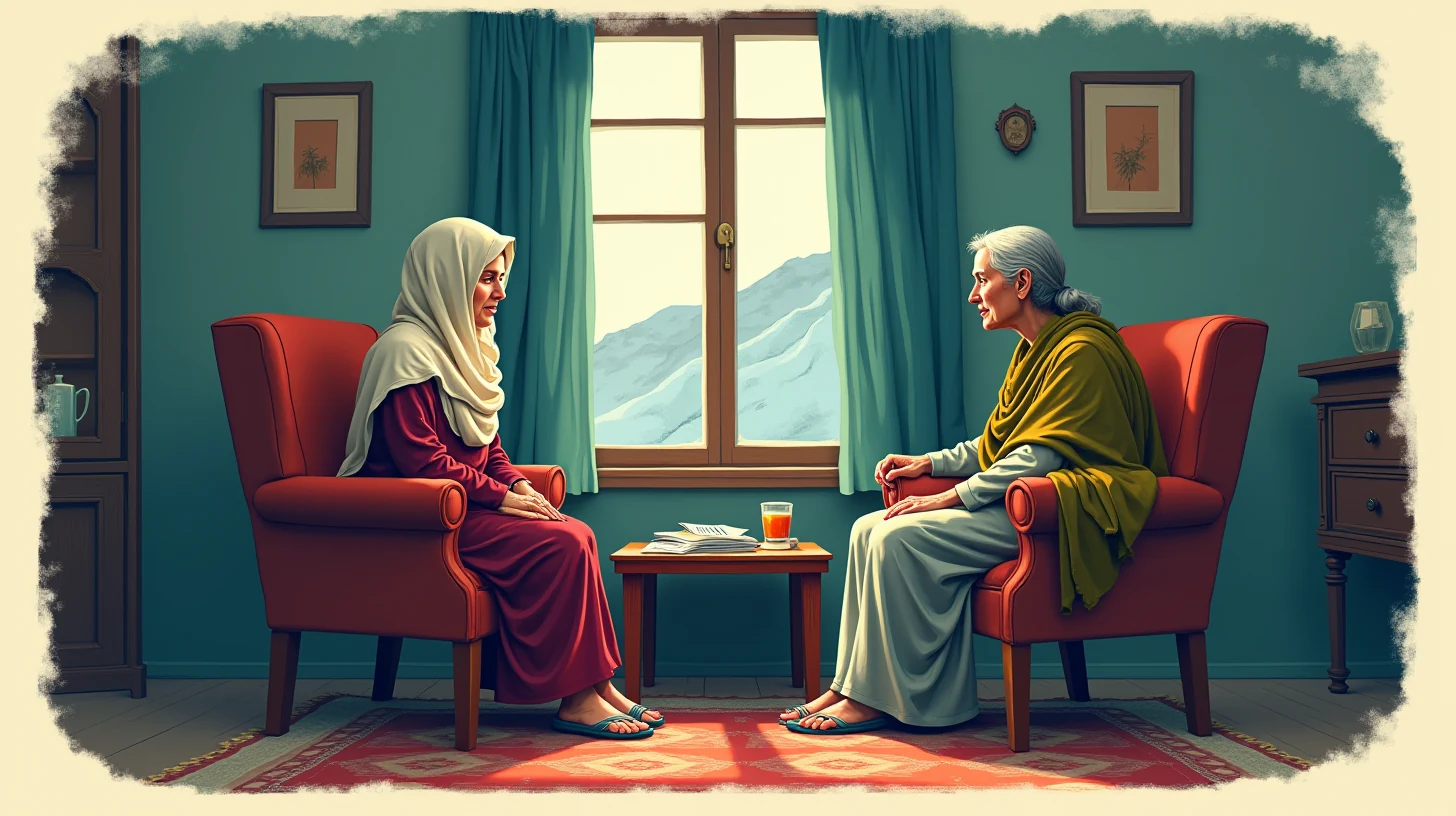
🧑⚕️ Nadia, middle-forties, Kashmiri, caregiver for her mother Aban in central Srinagar. Her mother's seasonal depression returned in December—will not leave the house. By February, the SEHAT portal sent a re-verification notice. Beneficiary must present for iris scan, fingerprint, photograph. Deadline: February 20. Sixteen days. Temperature minus four. Her mother cannot travel. Nadia cannot leave her alone. The hospital said the card will lapse without re-verification. Without the card, hospitalisation costs ₹40,000–₹70,000 for a two-week psychiatric stay.
🚨 The problem
Biometric re-verification systems are designed for beneficiaries who can leave home. They break when the beneficiary cannot—elderly with mobility issues, psychiatric patients in acute depression, anyone whose need for the scheme intersects with inability to travel. The rule applies equally. The system is blind to circumstance.
🚀 How GabFORGE helped
Nadia's cousin Rashid asked a single question: "Have you asked the agent?" One Thursday afternoon, Nadia typed slowly in Urdu, explaining the situation: mother won't leave house, depression, SEHAT card expiring, no one to leave her alone with.
- 🔍 Found the Special Circumstances clause. Page nine, Beneficiary Handbook: "If beneficiary is unable to attend, an authorised representative can complete verification with written consent and government-issued ID." The clause existed. No one at the helpline mentioned it. The hospital staff didn't know it.
- 💬 Named the exact submission process. Nadia provides written consent (witnessed by Rashid). Mother's Aadhaar card. Two recent passport photographs. Nadia attends verification centre alone on February 8th. Takes twenty minutes.
- 📞 Provided the handbook page reference. Print the relevant section. Bring it to the verification centre. Officer will follow the protocol.
Nadia walked to the Rambagh verification centre February 8, alone. Officer checked consent form, Aadhaar, ID. No one asked her to forge anything. Twenty minutes. Aban's biometric data entered the system. Card remained active. By February 22, when the crisis peaked and Aban needed SMHS Hospital, the card was valid. Two-week psychiatric ward stay covered entirely.
🇮🇳 Why this matters
Rules are written to be equal. They are experienced unequally. A beneficiary whose system requires their physical presence is a rule that works for some, punishes others. The special-circumstances clause was written precisely to acknowledge this gap. It just lived on page nine, in small font, in a section titled in a way nobody would guess to search. One sentence. On one page. Changed everything.
The long version has Aban in bed through fourteen weeks of winter, Nadia counting the days without sleep, the cold that makes leaving the house dangerous, the SEHAT notice that felt like it asked the impossible, the moment page nine surfaced, and Aban's slow return when spring light began to matter again.