
Inheriting a Geographical Indication when your cousin won't sign
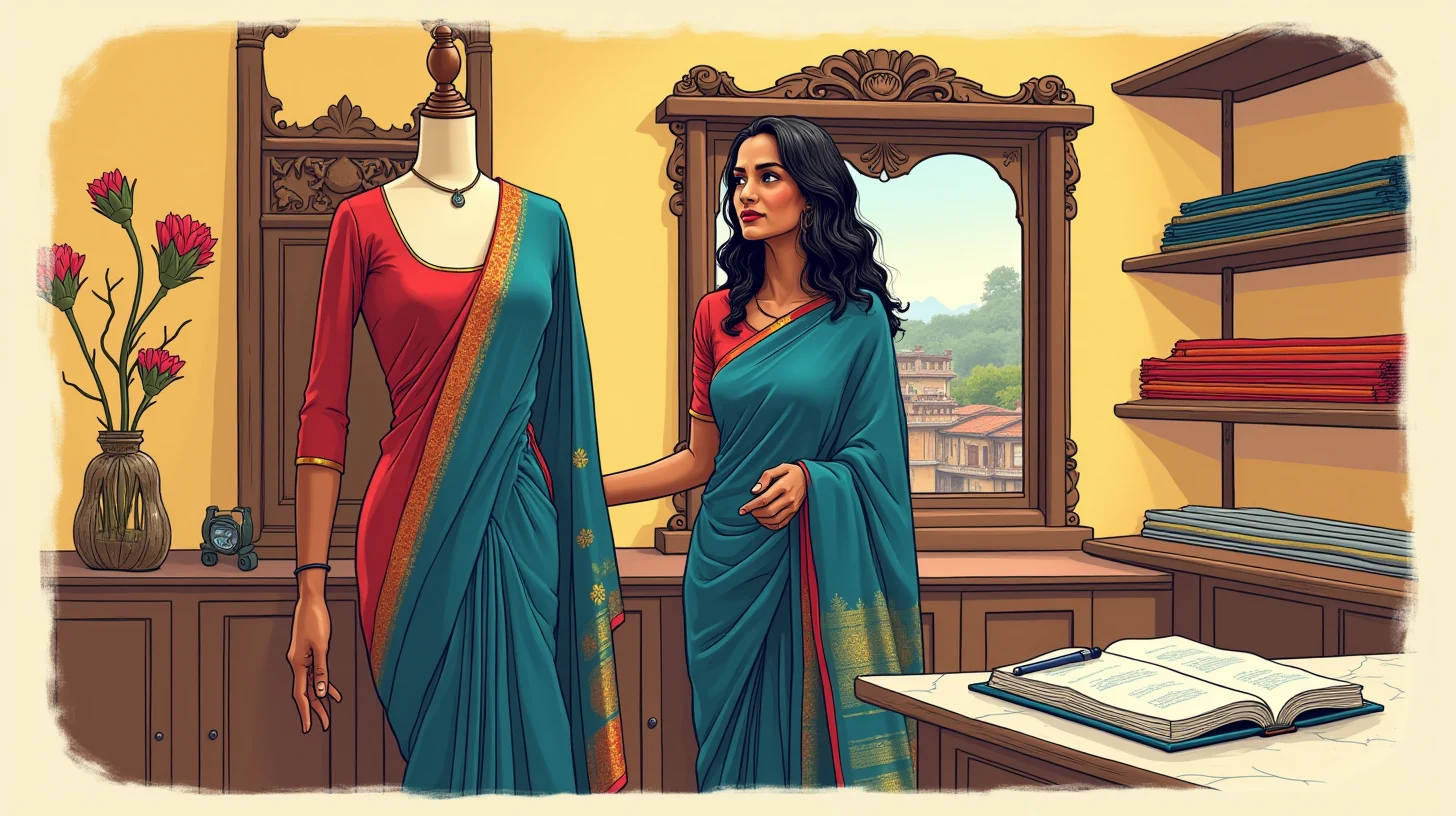
🎨 Lakshmi Iyer, 38, runs a fourth-generation Kanchipuram-saree loom (since 1908) and a boutique in Mylapore, Chennai. Her saris sell for ₹18,000–₹2,20,000 and require the Kanchipuram Geographical Indication authorised-user status to be legally called "Kanchipuram silk." Her father held this GI title since 2005 and renewed it in 2015. On February 14, 2026, he died. Three weeks later, the IP India Registry sent a notice: the registration would lapse on April 30 unless a legal heir applied for renewal. The renewal form, CGI-100, required signatures from all legal heirs. Her cousin—a co-heir under Tamil succession law—had no incentive to sign.
🚨 The problem
Geographical Indication titles are person-specific, not family-specific. When the authorised user dies, the title dies with them unless a legal heir applies within 60 days. The application form requires all legal heirs to jointly apply, creating a veto point. If one co-heir refuses to cooperate, the GI lapses. Without the GI status, the designer loses the right to sell under "Kanchipuram silk"—a legal and commercial collapse on the eve of peak wedding season.
🚀 How GabFORGE helped
Lakshmi opened an agent on a Saturday in late March with nine days left until the first hard deadline. Over two weeks:
- 🔍 Clarified the legal hurdle. The agent explained that "legal heir" under Tamil succession law included her cousin, and that CGI-100 required joint application—not because the registry wanted to punish heirs, but because succession law demanded consensus. This was not an administrative quirk; it was substantive law.
- 💬 Surfaced the exception pathway. The agent found IP India GI Registry Handbook Section 2.6, which documented an exception process for disputes between co-heirs. It required evidence that one co-heir was obstructing the application.
- 📞 Identified the mediation resource. The agent located the Tamil Nadu government's IP Facilitation Centre (under the Handlooms Division) that mediates such disputes, complete with contact numbers.
Lakshmi submitted a petition to IP India with the Facilitation Centre's support, documenting the cousin's non-cooperation. The registry granted a 30-day exception. Her cousin did not oppose the exception publicly. By April 28, her solo application was filed and cleared. The GI status was renewed. The wedding-season orders shipped on schedule.
🇮🇳 Why this matters
GI succession crises are invisible until the first death. The law requires legal heirs to cooperate, but provides almost no public guidance on what happens when they don't. The difference between navigating succession-law exceptions and losing four generations of craft recognition is knowing where in the handbook the exception is documented.
The long version has the four-generation loom history, the Vegavati River's silk-cooling properties, the cousin's economic incentives, Tamil succession law's co-heir framework, and the moment Lakshmi realized the GI title belonged to her now.