
The Amritsar homemaker and the Aam Aadmi Clinic age cap she only learned at the clinic
Harpreet Kaur was thirty-six, living in a second-floor flat on Lawrence Road in Amritsar, the kind of place where the morning traffic rolled steady past the windows and the smell of gur from the jaggery shop downstairs sweetened the stairwell. She was the tether that held her joint household together — her husband worked at the textile mill, her mother-in-law, Surjit, was sixty-one and newly arrived from Ludhiana after Harpreet''s father-in-law''s death. Harpreet cooked, managed the budget on five thousand rupees a month after rent and utilities, tracked her two teenage children''s school fees through a worn notebook, and now she was trying to get Surjit into the Aam Aadmi Clinics that the government had been opening all across Punjab. Free annual health check-ups. A sensible thing, Harpreet thought, for a widow with aching knees and a persistent cough nobody had looked at in three years.
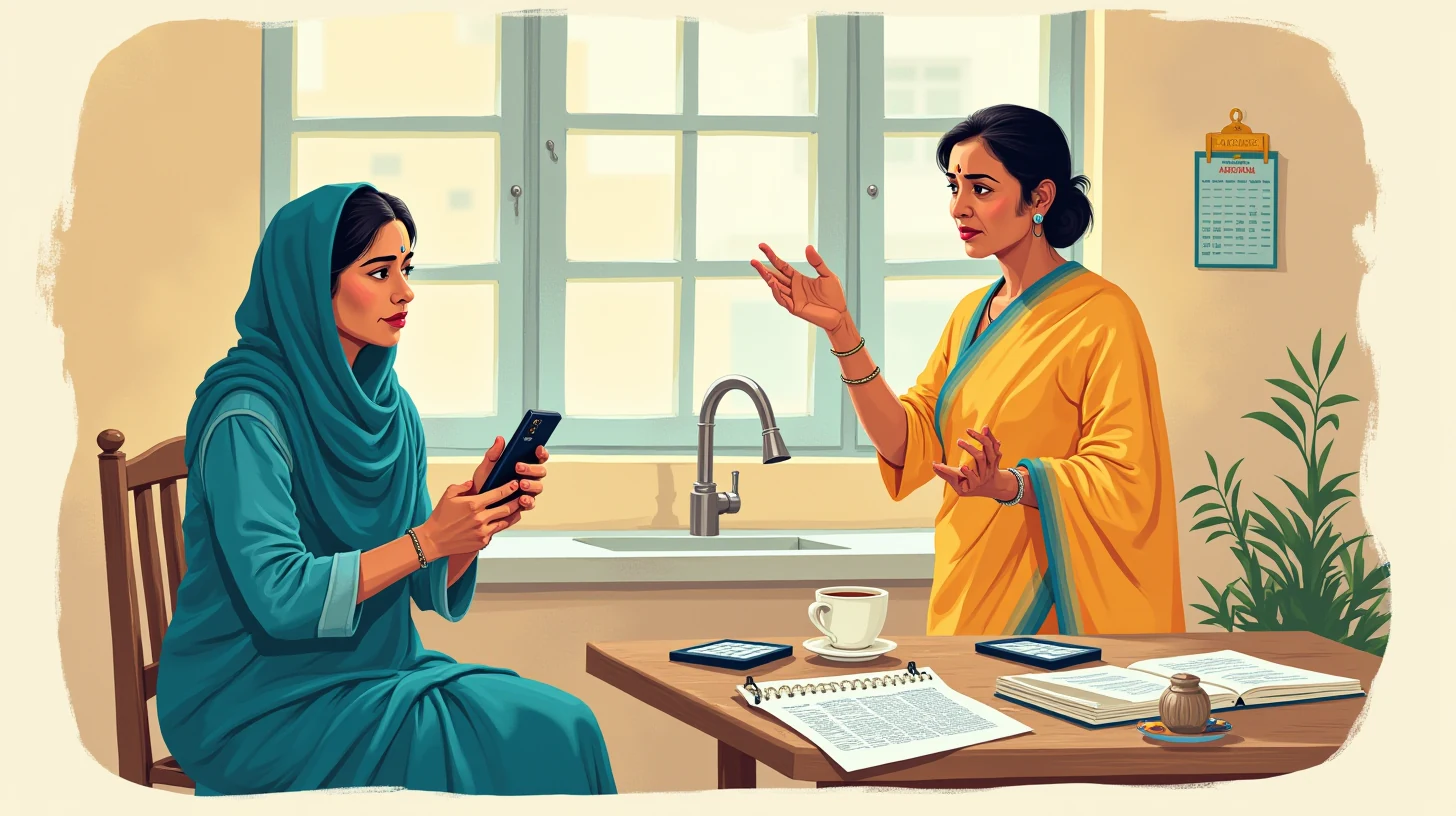
She opened the clinic''s enrollment portal on her basic Android phone — the kind with a cracked screen protector she had bought for nine hundred rupees two years ago. The form was simple: name, age, Aadhaar, address. No mention of any age cutoff. Harpreet filled it out for Surjit on a Tuesday morning, pressed Submit, and printed a reference number on the community center printer the next street over.
That was the moment she thought the work was done. It was not.
🗓️ The rhythm of free clinics and the gate that nobody spoke about
The Aam Aadmi Clinics had become, by early 2026, the backbone of Punjab''s primary healthcare. The state had rolled out hundreds of them — 883 fully operational, with another hundred set to launch by mid-May, and four hundred more in the pipeline. Each clinic offered free consultations with general and specialist doctors, up to forty-seven types of diagnostic tests: blood work, ECGs, ultrasounds, X-rays, the full suite. No income cap, no means test. All you needed was to be a resident of Punjab and above eighteen. The clinics operated on a simple rhythm — one visit to register, one phone call to schedule your annual check-up, one visit to be examined and tested.
Harpreet had heard about them from a neighbour, Gita, whose diabetic husband had gotten his HbA1c tested free and his blood pressure monitored every two weeks without paying fifty rupees in the private clinic. That was why she was doing this for Surjit. Her mother-in-law had worked forty years in her own house before widowhood; she deserved to know if her cough was something to worry about.
The clinic nearest Lawrence Road was in Sheeshmahal ward, a twenty-minute autorickshaw ride from the flat. When Harpreet and Surjit arrived on the first Friday in May with the reference number printed on a small slip of paper, a staff nurse took them into a room that smelled of antiseptic and had a laminated poster on the wall about nutrition and hydration for women over sixty. The nurse asked for Aadhaar, scanned it, typed quickly, and then her face changed — a small tightening around the eyes.
"Madam, how old is your mother-in-law?" the nurse asked, even though the Aadhaar was already on the screen.
"Sixty-one," Harpreet said.
The nurse shook her head — not unkindly, but with the finality of a door closing. "The scheme is for women up to sixty. She is too old."
Harpreet felt a small shock, the kind that comes when you realize a fact you should have known all along. "It said nothing about age on the form. I filled it out — it took my submission."
"The online form doesn''t validate it," the nurse said, opening a paper folder to show the criteria. "It should. The staff here know, but many people don''t find out until they come. I''m sorry."
Harpreet left the clinic with Surjit, the reference number now useless in her pocket.
⚠️ The second visit, the closed door, and the silence on the portal
For two weeks, Harpreet told herself this was a misunderstanding. Perhaps the nurse was wrong. Perhaps there was a way around it. She called the clinic''s helpline — a number printed in small text at the bottom of the enrollment confirmation SMS. The line rang twice, then transferred to a recorded message in Punjabi and Hindi about clinic hours. Harpreet left a voicemail. Nobody called back.
So she returned to the clinic on a Wednesday morning, this time with a printed screenshot of the enrollment confirmation. She asked to speak to the clinic''s supervisor, a woman named Priya who worked behind the registration desk.
Priya looked at the screenshot, looked at Harpreet''s face, and then looked at Surjit — sitting quietly on a plastic chair in the waiting area, still hopeful.
"The criteria is there," Priya said, turning her monitor slightly so Harpreet could see. "Look — upper age limit sixty. It should have been on the website when you filled it out. Let me check the online form."
Priya clicked through the clinic''s official enrollment portal. There was the form, exactly as Harpreet had filled it. Name field, age field, Aadhaar field. And below it all, in a collapsed accordion menu that said "Eligibility Criteria," there was the statement: "Women from 18 to 60 years of age."
But the form itself had no validation. There was no red asterisk, no automatic rejection, no pop-up that said "Age exceeds limit." You could enter 61. You could enter 75. The form accepted it, submitted it, and then — only when you showed up in person — did you learn that you had wasted your time.
"It''s a flaw," Priya said quietly. "We''ve been asking the district office to fix it for three months. You''re not the only person this has happened to."
Harpreet felt something shift in her — not anger, exactly, but a hard clarity. The clinic was free. The staff meant well. But a woman who was sixty-one was not going to get help from this particular door. And the portal had not told her that clearly.
🌗 A phone, an agent, and the alternative that existed all along
That evening, sitting on the flat''s small balcony with chai in her hands, Harpreet did something she did not often do: she opened a web browser on her phone and started searching for "Punjab health scheme for seniors" and "mother-in-law healthcare free."
By midnight, she had clicked through five different government websites. By one in the morning, she had written down three different scheme names on her notebook. By the next morning, she was sitting with a small tablet — a borrowed device from her neighbour Gita — and a woman she had connected with through an online helpline: the agent.
She explained the situation. Surjit, sixty-one, widowed, no private insurance, living in a joint household on five thousand rupees a month. The Aam Aadmi Clinic had a sixty-year age cap. Was there anything else?
The agent — a voice and a interface on the borrowed tablet, speaking Punjabi and Hindi with uncommon precision — asked for a moment. Then it came back with two schemes.
The first was the Mukh Mantri Sehat Yojana, or MMSY. Launched in October 2025, it was Punjab''s most ambitious health program: ₹10 lakh in annual cashless treatment coverage per family at any government or empaneled private hospital. Secondary and tertiary care. No income cap. No age limit. Every family member, including grandmothers and grandfathers, covered automatically. Registration happened through CSCs — Common Service Centers — the small booths that handled government services in most neighborhoods. Harpreet had one two blocks away.
The second was the Sarbat Sehat Bima Yojana, also called the Mukh Mantri Sehat Bima Yojana. Originally, it had had categories. But as of 2025, it had merged into MMSY and dropped all the cutoffs. No age restriction. Every Punjab resident covered.
The agent explained it clearly: "The Aam Aadmi Clinic is for basic, free check-ups. But your mother-in-law is not excluded from healthcare — she''s excluded from that specific program. The MMSY covers her for everything: hospitalization, surgery, post-surgery medicine, pre-hospitalization tests. Everything."
Harpreet felt the weight lift. It was not that Surjit had fallen through a crack. It was that Harpreet had been trying to open the wrong door.
🧭 Why the system splits, and who pays the price of invisibility
The architecture of Punjab''s healthcare, by May 2026, was layered. At the bottom, free primary care: the Aam Aadmi Clinics, with their annual check-ups and basic diagnostics, aimed at women under sixty. At the next level, universal coverage for serious illness: the MMSY, with its ₹10 lakh cap, available to all. And then the gaps — the people who fell between the categories because one program excluded them and the other seemed far away, bureaucratic, distant.
The Aam Aadmi Clinic''s age cap was not malicious. It existed, likely, because the scheme was designed around the reproductive and mid-life health concerns of women aged eighteen to sixty: cervical cancer screening, maternal health, contraception, preventive care for the working-age woman. A clinic with finite capacity had to prioritize.
But the portal did not say that. The portal was silent on why.
And because it was silent, Harpreet — a woman educated enough to navigate government forms online, with a smartphone and the patience to call helplines — spent two weeks thinking her mother-in-law was simply not eligible for healthcare in Punjab. Imagine the widow who did not own a smartphone. Imagine the daughter-in-law who did not try twice. Imagine the woman who, rejected at the clinic, simply stopped trying.
The agent had surfaced the bridge scheme. But how many people knew that bridge existed? How many read past the first portal and the first no?
Aam Aadmi Clinics
First stop — but not for SurjitFree consultations, diagnostics, specialist visits. Ages 18–60 only. No cost, no paperwork, walk-in possible.
MMSY (Mukh Mantri Sehat Yojana)
Covers Surjit completely₹10 lakh annual coverage per family. Hospitalization, surgery, pre- and post-care. No age cap. All residents. Cashless at empaneled hospitals.
Sarbat Sehat Bima Yojana
Same as MMSY nowMerged into MMSY in 2025. No age restriction. Covers every family member, including seniors.
🌱 A quiet clarification
When Harpreet registered Surjit at the CSC two days later — filling out the same simple form that activated MMSY coverage — the staff member, an older man named Rajesh, asked why she had come to him instead of going to the Aam Aadmi Clinic.
"She''s sixty-one," Harpreet said.
He nodded. He had heard this many times before.
"The clinic is better for young women," he said, without judgment. "For everyone else — for your mother-in-law, for older family — MMSY is the real shield. It covers the serious things. The things you cannot pay for out of a poor family''s pocket."
Surjit got her Aadhaar linked, her family linked, her coverage activated. Three weeks later, she visited a private hospital near the Golden Temple for the cough that had troubled her for three years. The cough was bronchitis, treated, and the cost — two thousand rupees in medicine and tests — was covered. She did not pay.
Harpreet had learned something quiet and structural: that the first door was not always the right door, that eligibility had layers, and that when a system was silent, the woman had to speak for herself. The agent had given her a voice in that silence. But the agent was only there because she had looked for it. The portal had been designed by people who knew the age cap, but did not think to tell the people it excluded.
The flat on Lawrence Road was quieter now. The cough was gone. And Surjit, at sixty-one, was not invisible to the state''s healthcare system after all — just initially misguided by it.
- 📱
Tuesday: Form submitted online, reference number received
Portal accepts Surjit''s enrollment (age 61) with no warning. Harpreet believes enrollment is complete.
- 🛑
Friday: First clinic visit, age cap discovered
Nurse informs Harpreet that Aam Aadmi Clinic covers only ages 18–60. Surjit is turned away. Portal criteria not visible online.
- 🌗
Wednesday: Agent consultation via borrowed tablet
Agent surfaces MMSY and Sarbat Sehat Bima Yojana as alternatives. Both cover seniors with no age cap.
- ✅
Thursday: CSC registration completed
Surjit enrolled in MMSY, linked to family coverage. ₹10 lakh annual hospitalization protection activated.
"ਕੀ ਸਾਡੀ ਉਮਰ ਨੂੰ ਇਲਾਜ ਨੂੰ ਕਿਸੇ ਵੀ ਦਰ੍ਹਾ ਤੋਂ ਰੋਕ ਸਕਦਾ ਹੈ?"— "Can our age close any door to healthcare? That was my question. The agent opened another one."
"ਭाभیजी, ਤੁਹਾਡੀ ਵਧੱਤੀ ਮੇਹਰ ਲਈ ਸਰਬਤ ਸਿਹਤ ਬੀਮਾ ਅਤੇ ਐਮ ਐਮ ਐਸ ਵਾਈ ਵਿਚ ਕੋਈ ਉਮਰ ਦੀ ਸੀਮਾ ਨਹੀਂ ਹੈ। ਤੁਸੀਂ ਸੀ ਐਸ ਸੀ ਤੋਂ ਅੱਜ ਆਧਾਰ ਦੀ ਰਜਿਸਟਰੇਸ਼ਨ ਕਰ ਸਕਦੇ ਹੋ।"
(There is no age limit for your mother-in-law under the Sarbat Sehat Bima Yojana or MMSY. You can register her Aadhaar at a CSC today, and her entire family is covered.)