
The Ludhiana bhangra creator and the music-label exclusivity clause
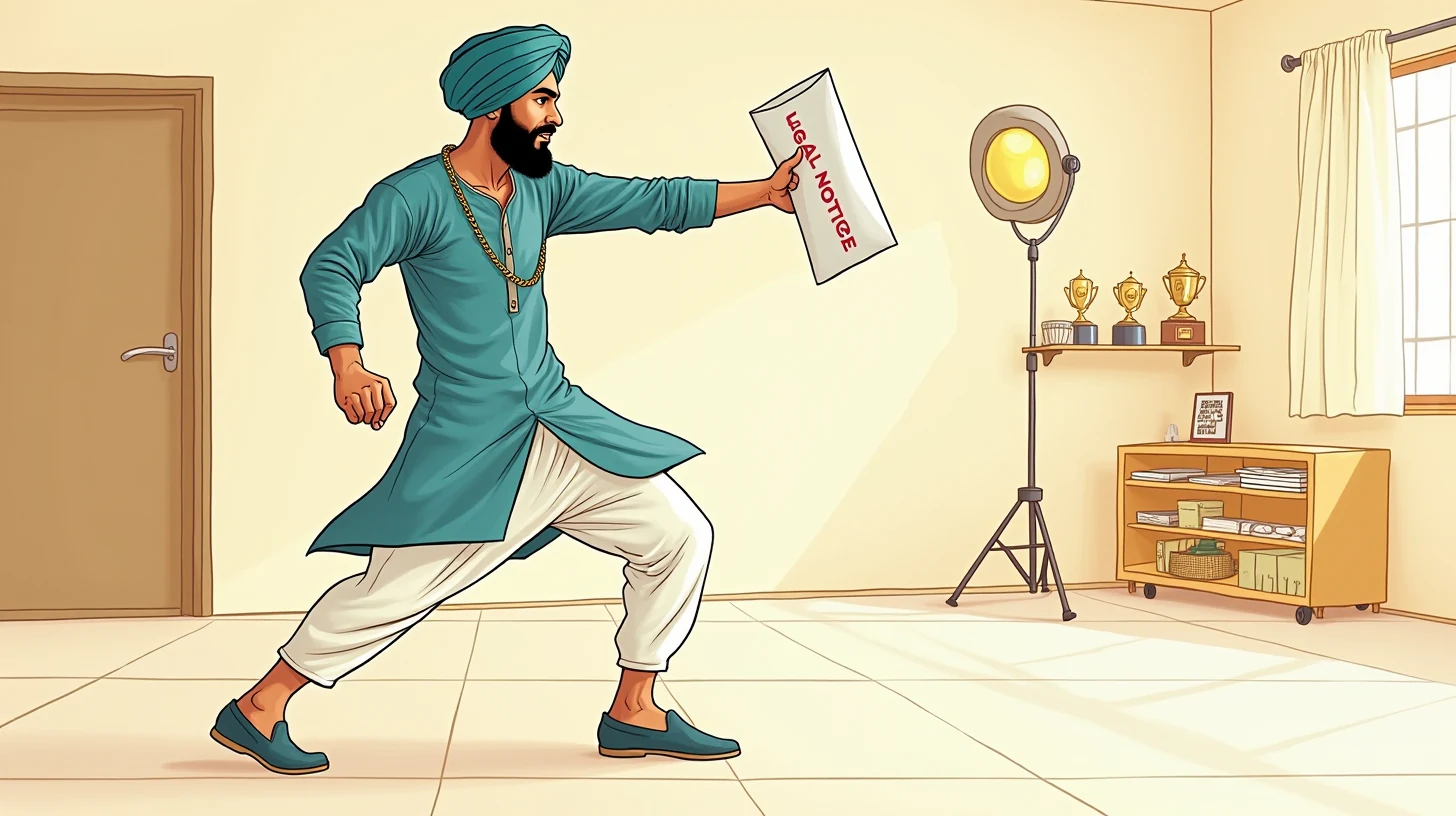
Gurpreet Singh is twenty-six years old. He lives in Sarabha Nagar, Ludhiana — the kind of locality where the streets are wide enough for two Innova Crystas to pass but narrow enough that everyone knows whose tractor trolley parks where on Saturday mornings. The house is a three-floor shared building that belongs to his grandfather and is occupied, in shifting degrees of density, by his parents, two paternal uncles, their wives, and a rotating number of cousins visiting from Jalandhar and Phagwara. Gurpreet has the top floor to himself — he converted the front room into a recording and filming space two years ago, with ring lights mounted on adjustable stands, a desktop monitor for editing, acoustic foam tiles on two walls, and a bhangra-trophy shelf that now requires a second row.
He has been dancing bhangra since he was eleven, performing at school events, college competitions, and open stagings at the Ludhiana bhangra circuit. He started uploading reels in 2022, initially just short clips of footwork practice that he did not expect anyone to watch. People watched. By early 2024 his combined Instagram and YouTube following had crossed nine lakh — not the numbers that earn you a brand deal from a phone company, but enough that every Punjabi wedding planner from Ludhiana to Phagwara knew his name, that cover views from a Diljit Dosanjh release the previous winter had given him a spike that plateaued at two lakh on a single reel, and that a Patiala-based regional music label had sent a representative to his home with a recording contract in February 2025.
The label was a legitimate regional operation — a smaller outfit operating in the Wave Music ecosystem, with distribution relationships and a catalogue of Punjabi folk and contemporary tracks. The contract was a two-year exclusive recording agreement. Gurpreet's father and two uncles sat at the dining table while the representative explained, in Punjabi, that the label would produce two albums, cover studio costs, handle distribution, pay a fifteen percent royalty on net sales, and provide marketing support. There was a signing bonus of ₹80,000. Gurpreet signed. His family celebrated. His grandmother said he would be on the television in Chandigarh within six months.
What none of them read carefully — and what the representative did not explain — was Clause 7(b): a broad exclusivity provision that restricted Gurpreet from uploading, distributing, or licensing any "singing, musical composition, or performance-led content" through any channel, platform, or third-party arrangement outside the label's official channels for the duration of the agreement. He did not stop uploading bhangra dance reels. But four months into the contract, he launched a solo YouTube channel for original compositions and collabs with non-label artists — friends from the Ludhiana music circuit who had no connection to the label. In October 2025, the label sent a legal notice.
🗓️ The annual ritual
The Punjabi music industry has, in the decade since streaming displaced physical sales, developed two parallel economies that do not always communicate well with each other. The first is the major regional label economy — labels like T-Series Punjabi, Speed Records, Desi Crew, and their regional affiliates — which produces music that goes to YouTube, Spotify, JioSaavn, and the wedding-circuit playlist ecosystem. The second is the creator economy, where a dancer with a phone and ring lights can build nine lakh followers by performing the same music, covering emerging tracks, and building a parasocial relationship with an audience that the labels themselves cannot directly reach.
For years, these two economies coexisted with productive ambiguity. Labels tolerated cover performances because they drove discovery. Creators built audiences on cover material and occasionally graduated into signing agreements. The ambiguity was functional until it was contractualized. When labels began signing creator-performers — people like Gurpreet who were both dancers and original artists — they brought entertainment-industry contract language that was designed for a world where the label controlled the production, the distribution, and the performance rights. The emerging Punjabi creator signing a recording deal is, legally, in the same category as a signed Bollywood playback singer — but functionally, they are something else: a one-person content operation with a social audience that predates the label relationship and will outlast it.
Exclusivity clauses are standard in recording contracts. Section 10 of the Indian Contract Act, 1872 requires that a valid contract rest on lawful consideration and free consent — not that it be fair. An exclusivity clause is lawful. A negative covenant — "you shall not do this for two years" — is also lawful and is specifically enforceable under Section 38 of the Specific Relief Act, 1963, which allows courts to grant injunctions restraining a person from breach of a contract that can be described by negative terms. Labels know this. Most emerging creators, signing a first contract, do not.
- 📋
February 2025 — Contract signed
Gurpreet signs a two-year exclusive recording agreement with the Patiala label. Signing bonus: ₹80,000. Clause 7(b) restricts all singing, musical composition, and performance-led content uploads outside the label's channels. He does not engage a lawyer to review the document.
- 📱
June 2025 — Solo YouTube channel launched
Gurpreet launches a separate YouTube channel for original compositions and non-label collabs. He uploads seven tracks over four months — original Punjabi covers and two collaborative singles with independent Ludhiana artists. Combined views: 3.4 lakh.
- 📨
October 2025 — Breach notice received
The label's Chandigarh-based lawyer issues a formal breach notice under the Indian Contract Act, 1872. Seven YouTube uploads are cited. The notice claims ₹12 lakh as liquidated damages under Section 74 ICA and threatens an injunction application under Section 38 of the Specific Relief Act, 1963.
- ⚖️
November 2025 — Thirty-day response window
The breach notice gives Gurpreet thirty days to cease uploads, remove the seven cited videos, and pay ₹12 lakh or respond with cause. His family has no contract lawyer. His previous interactions with legal counsel were limited to a passport notarization in 2022.
The specific provisions the label cited were Section 73 of the Indian Contract Act, 1872 — which entitles a party to recover compensation for loss arising from a breach, proportional to actual loss — and Section 74, which governs liquidated damages where a contract specifies a sum to be paid on breach, regardless of whether actual loss is proved to that amount. The label's contract had, in Clause 9(c), specified ₹1.5 lakh per instance of unauthorized content release as pre-agreed liquidated damages. Seven uploads: ₹10.5 lakh, plus ₹1.5 lakh as "administrative costs and platform remediation." Total: ₹12 lakh.
⚠️ What very nearly happened
Gurpreet's first instinct, the evening his father read the notice aloud at the dining table, was to delete the YouTube channel. His uncle — the one who runs a hardware shop near the bus stand and who has a particular distrust of institutions — said it firmly: "Delete everything, pay what they want, move on." His mother worried aloud about the word "injunction." His grandmother, who had told everyone he would be on Chandigarh television, said nothing for the rest of the evening.
The number — ₹12 lakh — was not impossible. It was, however, two years of Gurpreet's net creator income, roughly equivalent to the signing bonus he had been paid multiplied by fifteen, and it represented, in the family's shared arithmetic, money that would need to come from savings, from his father's LIC policy, and from a modest chit-fund contribution that his younger aunt had been accumulating for a kitchen renovation. The deletion instinct was understandable. It was also dangerous.
"ਮੈਂ ਸੋਚਿਆ ਸੀ ਗਾਣਾ ਬਣਾਉਣਾ ਤੇ ਪਾਉਣਾ — ਇਹ ਤਾਂ ਸਭ ਕਰਦੇ ਨੇ। ਮੈਨੂੰ ਕੀ ਪਤਾ ਸੀ ਕਿ ਮੈਂ ਕੋਈ ਨਿਯਮ ਤੋੜ ਰਿਹਾਂ।"— I thought making a song and posting it — that's what everyone does. I didn't know I was breaking a rule.
What very nearly happened was a settlement at ₹12 lakh — or close to it — without Gurpreet or his family understanding what they were actually agreeing to. Paying ₹12 lakh to settle a Section 74 liquidated-damages claim does not constitute an admission of liability in itself, but the written settlement would almost certainly include a confirmation of the exclusivity clause's scope, a commitment to remove all seven videos permanently, and a provision barring Gurpreet from launching any independent channel for the remainder of the contract period. He would have paid ₹12 lakh and surrendered all independent creative output for sixteen additional months.
The alternative — ignoring the notice — was also dangerous. Section 38 of the Specific Relief Act, 1963 permits a court to grant an injunction against breach of a negative covenant even where the loss is not precisely quantifiable. A label with a legitimate exclusivity clause and seven documented uploads has a viable application. An injunction would do the same thing as a settlement, without the settlement payment: bar independent uploads, remove the existing channel, and leave Gurpreet's nine-lakh audience with nothing to follow. The thirty-day window ticked.
🌗 What changed
Gurpreet's father had a younger brother — Charanjit — who had worked in a Ludhiana textile export house until 2018 and now lived in Mohali. Charanjit's father-in-law, a retired district and sessions court clerk from Chandigarh named Sardar Prabhjot Singh, had a son — Navdeep — who had finished his LLB from Government Law College, Chandigarh in 2021 and had been practicing contract and commercial law at a small firm in Sector 17 for four years. The family connection was fourth-degree at best. But in Punjabi extended-family networks, fourth-degree is reachable with one phone call and a Sunday lunch.
Navdeep came to Sarabha Nagar on the third weekend after the notice arrived. He read the contract carefully. He read the notice. He asked Gurpreet to show him the YouTube channel, the upload dates, and the view counts. He did not say anything reassuring. He said: "ਸਮੱਸਿਆ ਹੈ, ਪਰ ਜਿੱਤਣ ਵਾਲੀ ਗੱਲ ਵੀ ਹੈ ਅੰਦਰ।" — There is a problem, but there is also an argument to be made.
That evening, Navdeep had his laptop on the dining table and was cross-referencing Clause 7(b)'s language against actual statute. He opened the agent on his phone and handed it to Gurpreet with the contract language typed in.
"ਗੁਰਪ੍ਰੀਤ, ਮੈਂ ਇਹ ਕੰਟਰੈਕਟ ਕਲਾਜ਼ 7(b) ਪੜ੍ਹਿਆ। ਤਿੰਨ ਗੱਲਾਂ ਧਿਆਨ ਵਿੱਚ ਰੱਖ। ਪਹਿਲੀ: ਕਾਪੀਰਾਈਟ ਐਕਟ 1957 ਦੀ ਧਾਰਾ 19(6) ਕਹਿੰਦੀ ਹੈ ਕਿ ਕੋਈ ਵੀ ਕਾਪੀਰਾਈਟ ਅਸਾਈਨਮੈਂਟ ਜੋ ਲੇਖਕ ਨੂੰ ਨਵੀਆਂ ਰਚਨਾਵਾਂ ਬਣਾਉਣ ਤੋਂ ਰੋਕੇ, ਉਹ ਉਸ ਹੱਦ ਤੱਕ ਲਾਗੂ ਨਹੀਂ ਹੋਵੇਗੀ। ਦੂਜੀ: ਧਾਰਾ 74 ICA ਅਧੀਨ ਲਿਕਵੀਡੇਟਿਡ ਡੈਮੇਜਿਜ਼ ਉਦੋਂ ਹੀ ਮਿਲਦੇ ਨੇ ਜੇ ਉਹ "ਅਸਲ ਨੁਕਸਾਨ ਦਾ ਸੱਚਾ ਅੰਦਾਜ਼ਾ" ਹੋਣ — ਲੇਬਲ ਨੂੰ ਸਾਬਿਤ ਕਰਨਾ ਪਵੇਗਾ ਕਿ ₹1.5 ਲੱਖ ਪ੍ਰਤੀ ਅਪਲੋਡ ਅਸਲ ਨੁਕਸਾਨ ਦਾ ਅੰਦਾਜ਼ਾ ਹੈ, ਨਾ ਕਿ ਜ਼ੁਰਮਾਨਾ। ਤੀਜੀ: ਤੇਰੇ ਸੱਤ ਗਾਣੇ ਓਰੀਜਿਨਲ ਕੰਪੋਜ਼ੀਸ਼ਨ ਨੇ — ਲੇਬਲ ਦੇ ਕੰਟਰੈਕਟਡ ਕੰਮ ਨਾਲ ਉਹਨਾਂ ਦਾ ਕੋਈ ਮੁਕਾਬਲਾ ਨਹੀਂ। ਇਹ ਗੱਲਾਂ ਨਵਦੀਪ ਨੂੰ ਦੱਸ — ਉਹ ਆਪਣੇ ਜਵਾਬ ਵਿੱਚ ਸ਼ਾਮਲ ਕਰ ਸਕਦਾ ਹੈ।"
(Gurpreet, I have read Contract Clause 7(b). Three things to keep in mind. First: Section 19(6) of the Copyright Act, 1957 says that any copyright assignment that purports to restrict the author from making new works shall be void to that extent. Second: liquidated damages under Section 74 ICA are only due if they represent "a genuine pre-estimate of actual loss" — the label will need to demonstrate that ₹1.5 lakh per upload is a genuine estimate of loss, not a penalty. Third: your seven tracks are original compositions with no competitive overlap with the label's contracted work. Share these points with Navdeep — he can incorporate them in his reply.)
Navdeep read over Gurpreet's shoulder. He nodded at the Section 19(6) point — it was the argument he had been forming but had not yet articulated in writing. He asked the agent for the full text of Section 19 of the Copyright Act, 1957 from indiacode.nic.in.
Section 19(6) Copyright Act, 1957
Author's right to new worksAny assignment of copyright that purports to restrict the assignor from making new original works is void to that extent. Gurpreet's seven uploads were new original compositions — not reproductions of the label's contracted recordings. Navdeep argued the exclusivity clause could not lawfully extend to original authorial output outside the contracted works.
Section 74 ICA — Penalty vs. estimate
₹1.5L per upload challengedUnder Section 74 of the Indian Contract Act, 1872, liquidated damages are enforceable only if they represent a genuine pre-estimate of actual loss, not a penalty. The label had to demonstrate ₹1.5 lakh in actual loss per upload. Three-lakh-view original uploads with no competing label release in the same period made the penalty argument weak.
Specific Relief Act, Section 38 — Injunction scope
Negative covenant limitsSection 38 of the Specific Relief Act, 1963 allows injunctions against breach of negative covenants, but courts read injunctions narrowly — they restrain specific breach, not all creative output. Navdeep's draft argued the injunction, if granted, could only restrain uploads of the contracted works, not independent original compositions.
Navdeep sent a formal reply before the thirty-day deadline. The reply did not deny the uploads. It contested the scope of Clause 7(b) under Section 19(6) of the Copyright Act, challenged the Section 74 liquidated-damages quantum as a penalty rather than a genuine pre-estimate, and argued that any injunction under Section 38 of the Specific Relief Act was bounded by the specific contracted recordings and did not extend to new original authorial works. He also served formal notice under Section 57 of the Copyright Act — the author's special rights provision — reserving Gurpreet's moral rights in the seven original compositions, regardless of any assignment or exclusivity arrangement.
The label did not immediately withdraw. But it did not file the injunction application either. Three weeks after Navdeep's reply, the label's lawyer called Navdeep directly and indicated the label was open to a renegotiation of Clause 7(b) rather than litigation. The ongoing conversation — as of the date of writing — is a proposed amendment: Gurpreet can maintain a separate original-composition channel for music not produced or contracted by the label, subject to a non-compete carveout for any song that directly competes with a label release in the same calendar quarter.
The ₹12 lakh demand has not been pressed. The seven videos remain online.
🧭 Why we built it
Gurpreet's situation is not rare. It is, in fact, the precise situation that a large and growing number of emerging Punjabi, Haryanvi, Bhojpuri, and Bengali music-creators are walking into as regional labels expand their talent sourcing into the creator economy. The regional label needs creators with built audiences — the social following is the asset. The creator needs the production infrastructure, distribution muscle, and legitimacy of a label contract. The deal looks mutual. The contract, drafted by the label's lawyer, is not.
The particular vulnerability in these contracts is the breadth of exclusivity language. A two-year agreement that restricts "any singing, musical, or performance-led content" is not a recording contract — it is a restriction on the creator's entire professional identity. Indian courts have been willing, in some commercial contexts, to enforce such clauses. But Section 19(6) of the Copyright Act, 1957 creates a meaningful counter-argument that very few creators or their families know exists, because it sits in a statute most people have never opened, behind a provision number that means nothing without context.
The practical problem is access. Navdeep Singh is a real lawyer who graduated from Government Law College Chandigarh, practices in Sector 17, and can read a recording contract with relevant statutory context. He exists in Gurpreet's life because of a family network spanning four degrees of connection from Ludhiana to Mohali to Chandigarh. For a creator in Bathinda, or Firozpur, or Sangrur — without that particular network geometry — there is no Navdeep on a Sunday afternoon. There is the breach notice, the thirty-day window, and an uncle saying: "Delete everything and pay."
What it does
- 🔍Reads the contract clause and cross-references it against the specific statutory provisions — Section 19(6) Copyright Act, Section 74 ICA, Section 38 Specific Relief Act — and explains, in Punjabi, what each provision actually says and why it matters to this specific situation.
- 🗂️Surfaces the indiacode.nic.in text of the relevant sections and locates the IPRS and PPL India portals, so the creator and their lawyer can verify the applicable rights frameworks before drafting a reply.
- 📞Identifies which arguments are the strongest (Section 19(6) author's rights, Section 74 penalty challenge) and which procedural steps have firm deadlines (the thirty-day response window in the breach notice), so no deadline is missed while a lawyer is being located.
What it does not do
- 🔒Never gives legal advice or tells Gurpreet what to do — it reads the law and explains the text; Navdeep's judgment on how to use it is not replaceable.
- 💳Never contacts the label, sends correspondence, or negotiates on Gurpreet's behalf — every communication went through Navdeep, reviewed and signed by him.
- ✅Never tells Gurpreet to delete or keep the videos — it explains the consequences of each path under the law; the decision remained his and his lawyer's.
The creator economy has a structural information asymmetry problem. The label's lawyer understands Section 74 and Section 38 before the contract is drafted. The creator reads the signing bonus number and the royalty percentage and trusts the rest. The rest — Clause 7(b), Clause 9(c), the liquidated-damages schedule — is where the problem lives. An agent that reads the full contract text in Punjabi, identifies the clauses with legal consequence, and surfaces the relevant statutory cross-references does not replace the lawyer. But it closes the gap between receiving a breach notice and knowing enough to find the right lawyer and tell them where to look.
🌱 What we hope happens
A few weeks after Navdeep sent his reply, Gurpreet posted a new bhangra reel from the top-floor studio in Sarabha Nagar. He was wearing the same teal turban. The dhol section was from a new original track. In the caption he wrote, in Punjabi: ਅਪਣੀ ਆਵਾਜ਼ ਤੇਰੀ ਹੈ — ਕਿਸੇ ਦੀ ਜਾਇਦਾਦ ਨਹੀਂ। Your voice is yours — it is not anyone's property. It got 1.2 lakh views.
He has not resolved everything. The contract amendment negotiation is still ongoing. Navdeep will bill him for the hours — modestly, but it is real money. The label relationship is professionally awkward in a way that regional music scenes make especially visible, because everyone knows everyone. His grandmother still mentions Chandigarh television occasionally.
What has changed is that Gurpreet now reads contracts before signing them. Not perfectly — he is twenty-six and has no legal training — but he knows, now, that Clause 9(c) is the clause that costs money, that Section 19(6) is the provision that protects original authorial output, and that a thirty-day response window is a real deadline, not a negotiating posture. He asked the agent, three weeks after the reply was sent, to explain the difference between a copyright assignment and a license. The agent answered in Punjabi, with the statutory text. He read it twice.
There are a large number of Gurpreets across Punjab, Haryana, and every state where a regional music scene is signing creator-performers. They are young. They have built their audiences before the contract existed. They are valuable to the labels precisely because of what they created independently. The contracts they sign, often without legal review, frequently try to own what they built — and the law, as Navdeep showed, does not entirely permit that.
If you are a creator who has signed or is considering a recording, distribution, or content-partnership agreement — or if you have received a breach notice or takedown demand — the agent is available at gabforge.in, in Punjabi, Hindi, and twelve other Indian languages. It will read the contract with you. It will find the clause that matters. It will not replace a lawyer — nothing should — but it will tell you which clause to show the lawyer, and which section of the Indian Contract Act to ask about, before the thirty days are gone.