
The Srinagar Wazwan restaurant and the legacy GST assessment trap
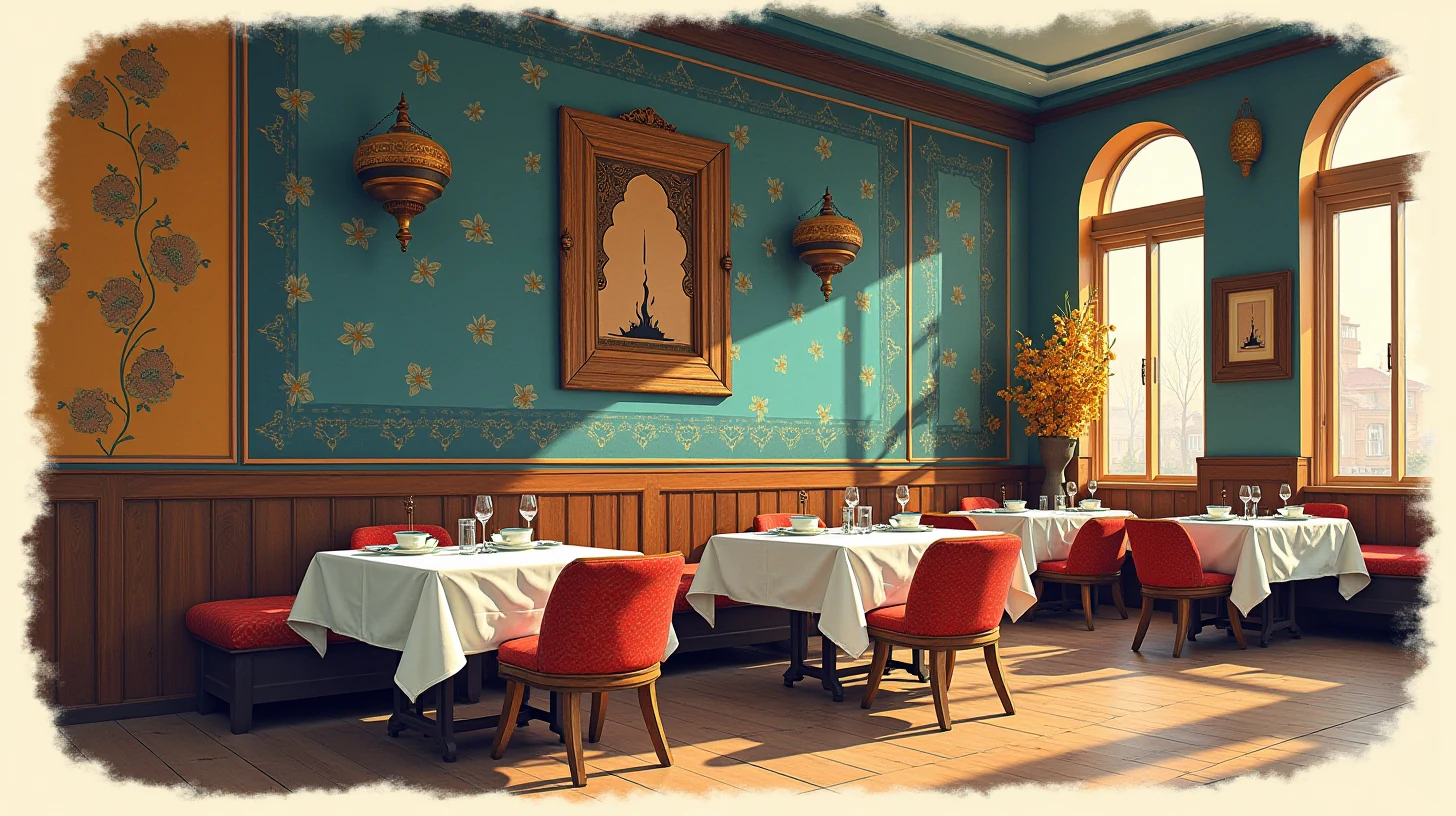
🍲 Mehmood Peer, 44, runs Dastarkhan-e-Peer, a 70-seat Wazwan dine-in restaurant near Dal Gate in Srinagar — three cooks under senior waza Ghulam Qadir, the formal traaem (copper-plate Wazwan service), walnut-carved panels, monthly revenue ₹9–₹11.5 lakh in summer. In November 2025, when his GSTR-9C reconciliation for FY 2024-25 was prepared, two overlapping GST problems surfaced: a legacy J&K SRO 360 assessment from 2018 (unresolved ₹1,14,000 input credit demand) that fell through the 2019 reorganization gap, and a current GST Circle classification dispute over whether the fixed-price ₹1,800 traaem is a composite restaurant supply or separate individually taxed items.
🚨 The problem
Before July 2017, J&K operated under its own tax framework. After 2019 reorganization, when J&K's special status was revoked and the state divided into two UTs, legacy SRO-era assessments were notionally transferred to central GST. A small category remained in administrative limbo: Mehmood's 2018 transitional input credit query (₹1,14,000) was never formally converted to a demand order before reorganization, leaving it unresolved in the central system. Separately, the GST Circle questioned whether the traaem (a fixed-price multi-course Wazwan service) constitutes a composite supply (5% restaurant service, SAC 996331) or multiple separately taxable items (with processed-meat components at 12%). The GST department's interpretation suggested retrospective liability of approximately ₹4.8 lakh over two years. Combined exposure: ₹5,94,000.
🚀 How GabFORGE helped
His cousin Tariq, who worked in trade finance in Delhi, brought an AI assistant to the restaurant in late December and sat with Mehmood and Sajid:
- 🔍 Identified the composite-supply legal framework. The agent found CBIC Circular 164/20/2021-GST, which confirms that fixed-price multi-course restaurant meals (thali, traaem, buffet) fall under SAC 996331 (restaurant service) at 5%, not disaggregated by dish. The controlling law was there; it had never been surfaced to Mehmood.
- 💬 Located the J&K transition provision. The J&K Reorganization Act's transition clause superseded pre-assessment queries (like Mehmood's 2018 query) that had not matured into demand orders before August 2019. No demand order had ever been issued; the ₹1,14,000 entry was a data-migration artifact.
- 📞 Drafted the formal GST Circle replies citing Section 8 of the CGST Act, the CBIC circular by number, and two GST Authority for Advance Rulings precedents from other states on composite restaurant supplies.
GST Circle reply (28 February): composite-supply classification accepted. Retrospective ₹4.8 lakh demand withdrawn. SRO 360 legacy entry marked for administrative closure. GSTR-9C: certified and filed 5 March with disclosure note on pending legacy closure. Shops Act renewal: processed via J&K Labour Department portal (January 2026, ₹4,500 fees and minimal late penalty).
🇮🇳 Why this matters
Mehmood's story has a jurisdictional layer most restaurant compliance articles do not: J&K's two-stage migration (state SGST in 2017, then central GST after 2019). Businesses registered before 2017 carry a migration trail opaque to most accountants outside the valley. Pre-assessment queries never converted to demand orders before August 2019 exist in legal limbo. The composite-supply problem is universal — structurally identical to a Tamil Nadu saapadu thali or Rajasthani dal baati — but restaurant operators who need this answer most are precisely those not reading CBIC circulars.
The long version has Mehmood typing the question about the traaem in Urdu, the agent pulling up CBIC Circular 164/20/2021-GST, Sajid drafting the reply citing Section 8 and GST Authority precedents, and the February 28 letter from the Srinagar GST Circle accepting the composite-supply classification.