
Stroke physio wasn't waiting. Then he found the emergency tier.
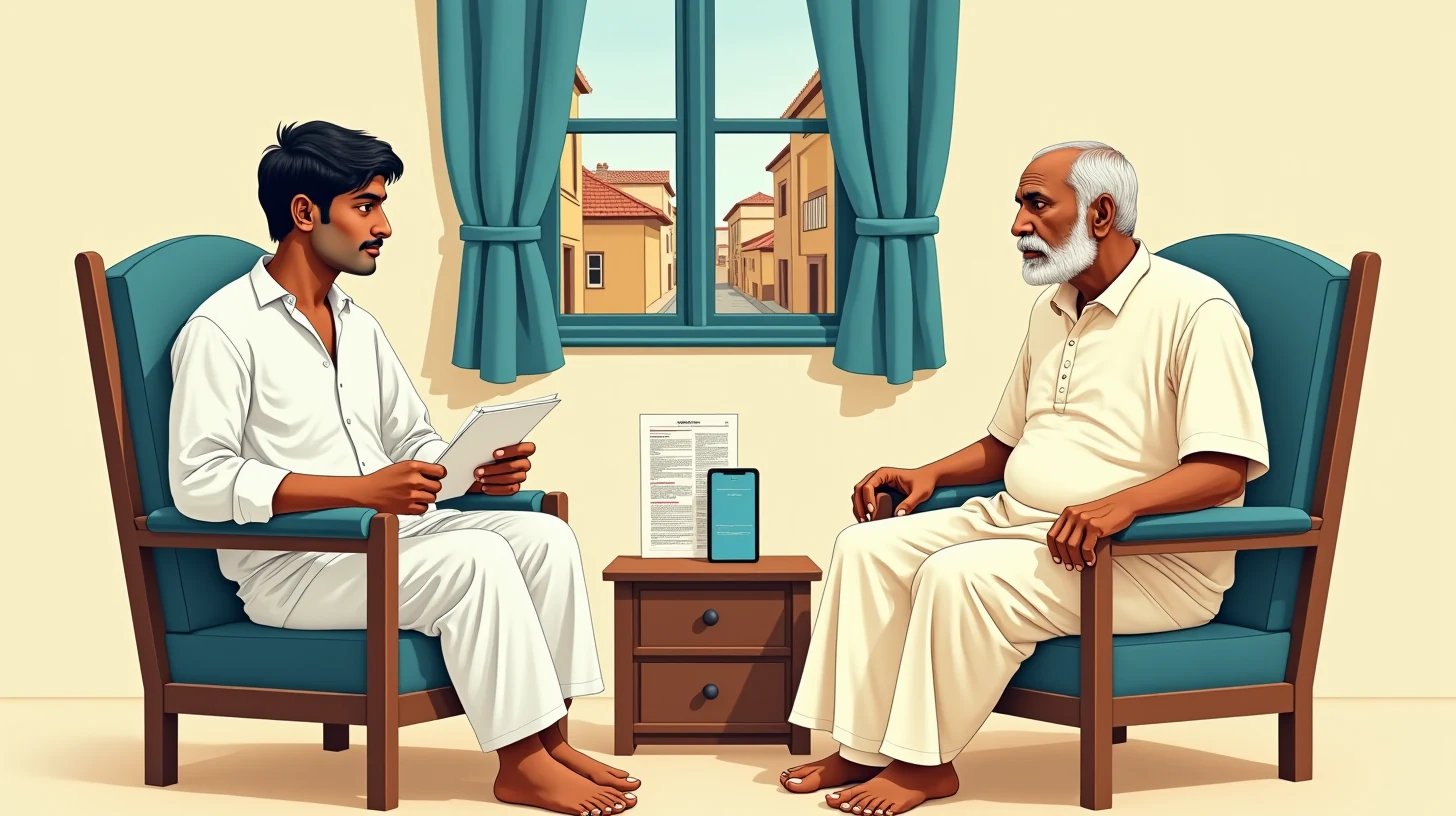
🧑⚕️ Rohan, 38, came home from Bangalore when his father Bijay suffered a left-MCA stroke. Bijay, 72, a retired railway clerk, was discharged from GBP Hospital after four days — technically stable but with a paralysed left arm and explicit discharge orders: "Begin physiotherapy within one week." Yet every empanelled centre in Agartala quoted a three-month waiting list, and private sessions cost ₹6,000 monthly — double his father's ₹3,000 pension.
🚨 The problem
Post-discharge physiotherapy waiting lists are a silent crisis across India's state health systems. Stroke patients lose functional recovery every day they wait. The Tripura Health Department required documentation of specialist follow-up within 30 days — but the only advertised pathway meant a three-month gap. Rohan faced an impossible arithmetic: wait and risk contracture, or pay out-of-pocket and drain his savings in weeks.
🚀 How GabFORGE helped
Rohan typed his situation into GabFORGE at midnight, frustrated but without hope. The response came in the morning with one clarifying question:
- 🔍 Verified the discharge priority marking. GabFORGE asked him to reread the discharge papers: they explicitly marked "Urgent — acute neurological deficit with high contracture risk." This single phrase unlocked the hidden tier.
- 💬 Translated the three-tier system. Explained that MSSY had emergency-priority rehabilitation (5–7 day wait), not just routine (3-month wait). The scheme was designed for exactly this case — Rohan simply didn't know to ask for it.
- 📞 Connected him to the discharge planner. Armed with the right question, Rohan called back Dr Paru Nair at GBP Hospital. The discharge notes were resubmitted under emergency priority on 27 January. The waiting list dropped from twelve weeks to five to seven days.
By 4 February, Bijay had his first physiotherapy session at Tripura Rehabilitation Services. MSSY covered the full cost. His left arm began responding.
🇮🇳 Why this matters
Indian health systems design elaborate protections — emergency tiers, priority pathways, exemptions for acute cases — but bury the knowledge of how to access them. Rohan had the literacy, internet access, and assertiveness to find the answer. Thousands of families don't, and accept "three months" as permanent.
The long version has the timeline of the discovery, the Bengali exchange with the agent, and the weight Rohan felt knowing that many families never find this pathway.