
The Patna NTPC engineer and the shutdown rotation
🔧 Raj Kant Singh, 38, works as a mechanical engineer at NTPC Barauni thermal power station, 70 kilometres south of Patna. For eight years he's managed annual boiler shutdowns—grueling 4–6 week stretches when the plant goes dark and every engineer lives on-site in 24-hour shifts. His wife Pooja teaches at a private school. Their son is fourteen; their daughter is ten. The mortgage runs until 2031. In March 2025, a peptic ulcer sent him to a clinic. By April 2026, his back pain had spread into his right hip, and he was grinding his teeth at night. He scheduled a six-week lead role for the summer shutdown. It was a promotion, worth more money. He did not yet know it would make the burnout impossible to ignore.
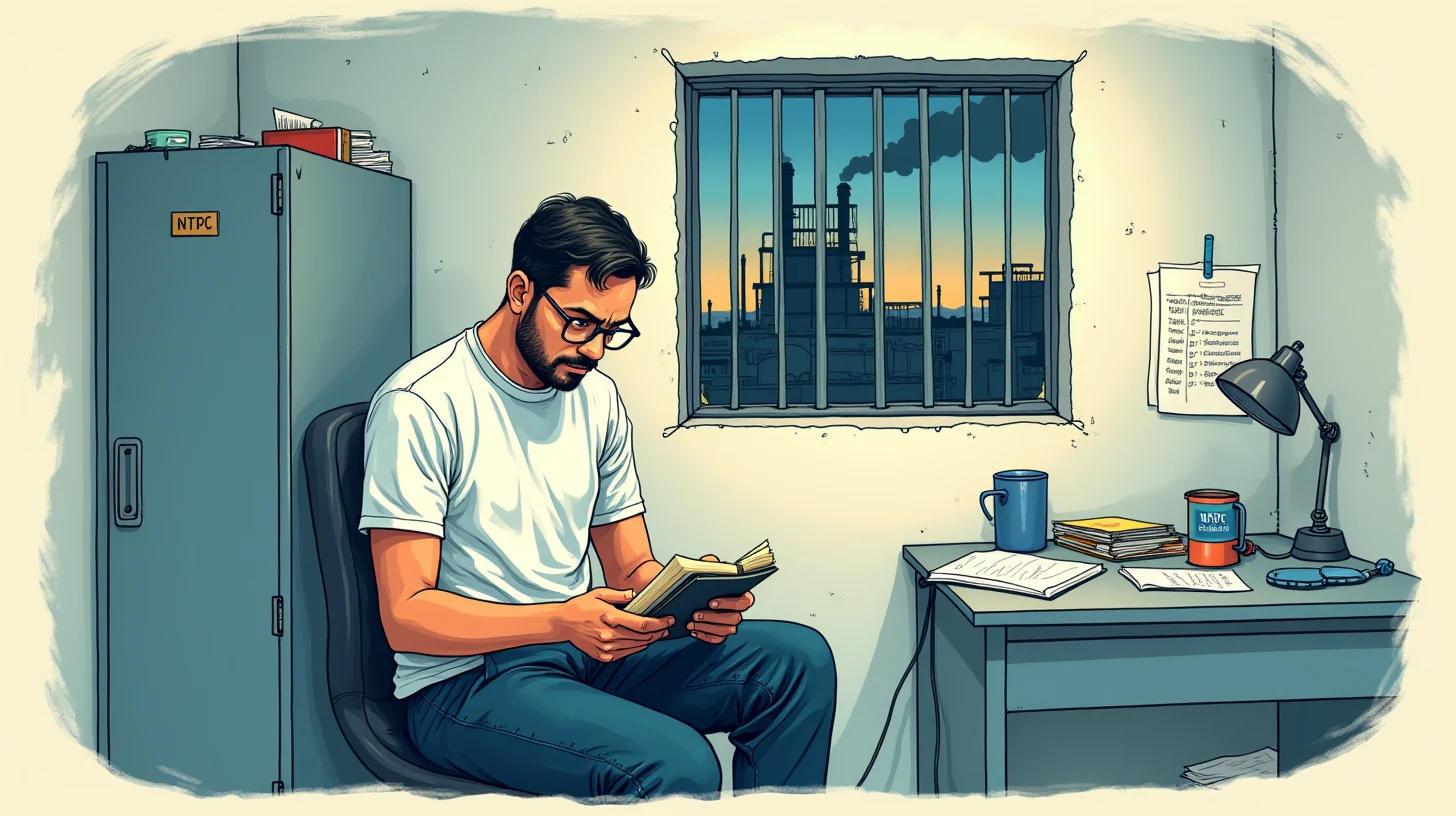
🚨 The problem
Three years of escalating warnings: ulcer in March 2025 (₹4,200 clinic cost), back pain beginning in 2024, fractured sleep (four hours nightly during shutdowns). The shutdown cycle itself was fine—he'd managed it for eight years. But the escalation was not fine. Each year, more on-site time. Each year, more physical cost. Each year, less recovery between shutdowns. By April 2026, he was looking at six weeks straight with a lead role while his mother managed his blood pressure and Pooja managed Arjun's cricket matches alone.
🚀 How GabFORGE helped
His brother Ashok, who works in healthtech in Delhi, asked Raj to try an AI agent for one question: "Three shutdowns per year, 4–6 weeks on-site each, sleep 4 hours per night, back pain since 2024, peptic ulcer in 2025. Burnout risk?" The agent read the data and replied in Hindi: This is not 'a bad thing.' This is a three-year burnout trajectory. If you go six weeks in April, this becomes a crisis.
🔍 Named the pattern — connected three separate medical events into a two-year burnout curve. 💬 Quantified the cost — showed the medical and career consequences of the April assignment. 📞 Offered alternatives — two weeks on-site in advisory capacity (keeping ₹80k overtime), remote work the rest (spreading the family load).
Raj submitted the reassignment request to his section head Ram Lal. Ram Lal said yes without hesitation—he'd seen other engineers burn out on the shutdown cycle. The approval came in late March, two weeks before the shutdown began. Raj worked fourteen days on-site in April, slept in his own bed in Patna every night, came home for dinner four nights a week. He did not develop an ulcer. ✅
🇮🇳 Why this matters
Fifty thousand thermal-power-plant engineers across India face this choice in their late thirties: continue the rotation that built the career, or change the terms before the medical crisis forces the change. The agent did not solve the problem. It made the pattern visible early enough to choose.
The long version contains [details from original article].