
An SHG's bamboo rice product crossed the border. Suddenly it needed federal approval.
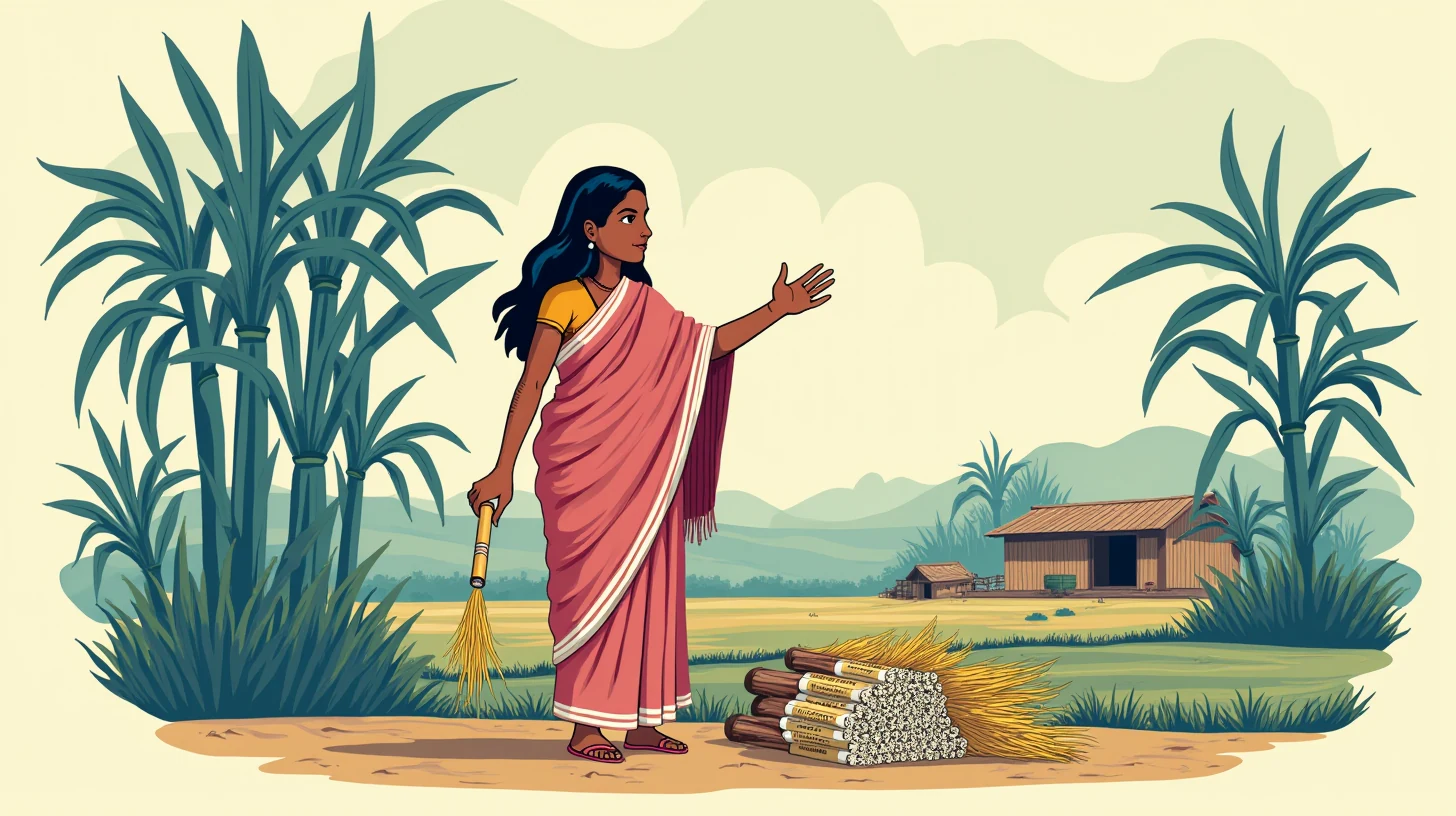
🍚 Meera, 38, leads a 9-member Gond women's SHG in Agartala, Tripura, making bamboo rice—a traditional Tripuri dish mixing bamboo shoots and rice. The state FSSAI registration was accepted locally. Monthly revenue: ₹40,000–₹50,000, split among 9 women. In February 2025, a Delhi distributor placed an order: ₹5 lakh for inter-state supply to retailers across North India. FSSAI rejected the state license—inter-state sale requires a Central License, processed through New Delhi. The SHG had 45 days to upgrade or lose the order and the market. 📋
🚨 The problem
FSSAI issues two types of licenses for businesses with ₹12L–₹20Cr turnover: State License (intra-state only) and Central License (multi-state distribution). A small food processor holding a state license can sell locally but cannot legally supply across state borders. When a buyer appears—one who can open national markets—the seller cannot fulfill the order without a Central License upgrade. The process takes 30–45 days, requires enhanced facility documentation, and is processed through FSSAI's New Delhi office, not the state office. Time pressure + bureaucratic delay = lost market opportunity.
🚀 How GabFORGE helped
Meera's nephew, studying commerce in Delhi, introduced GabFORGE's food-business module. The agent mapped the Central License pathway:
- 🔍 Identified the license category. Clarified that bamboo rice at ₹5 lakh order volume still qualified for Central License (not above the turnover ceiling). Showed the inter-state requirement was structural, not discretionary.
- 📋 Organized the facility upgrade. Central License requires enhanced documentation: separate raw material storage, dedicated preparation area, temperature-controlled storage, labeled containers. Agent connected the SHG to PM FME, which covered ₹3.5 lakh of the ₹5 lakh upgrade cost (35% subsidy).
- 📞 Coordinated with New Delhi office. Agent drafted the central license application with all required annexes—facility photos, PM FME subsidy letter, MSME registration, ingredient source documents. Submitted to FSSAI Central Office in New Delhi directly.
Central License issued in 32 days. ✅ Meera's SHG fulfilled the ₹5 lakh Delhi order. Monthly revenue climbed to ₹2.2 lakh (split among 9 = ₹24,000 per woman, 5X increase). Inter-state distribution now sustainable.
🇮🇳 Why this matters
India has millions of small food collectives with state licenses only. The boundary between "state license" and "central license" is invisible until an inter-state buyer arrives. Without guidance on the upgrade pathway, operators assume inter-state sales are closed to them. PM FME subsidies exist for precisely this—formalisation to access larger markets. The agent surfaces both the regulatory requirement and the financial pathway that makes scale possible.
The long version has the Delhi distributor's phone call, the moment Meera realised ₹5 lakh would transform the SHG's economics, and the race against the 45-day deadline.