
He filed all his snacks at 5% GST. Loose farsan was 0%. Ready-to-eat was 12%.
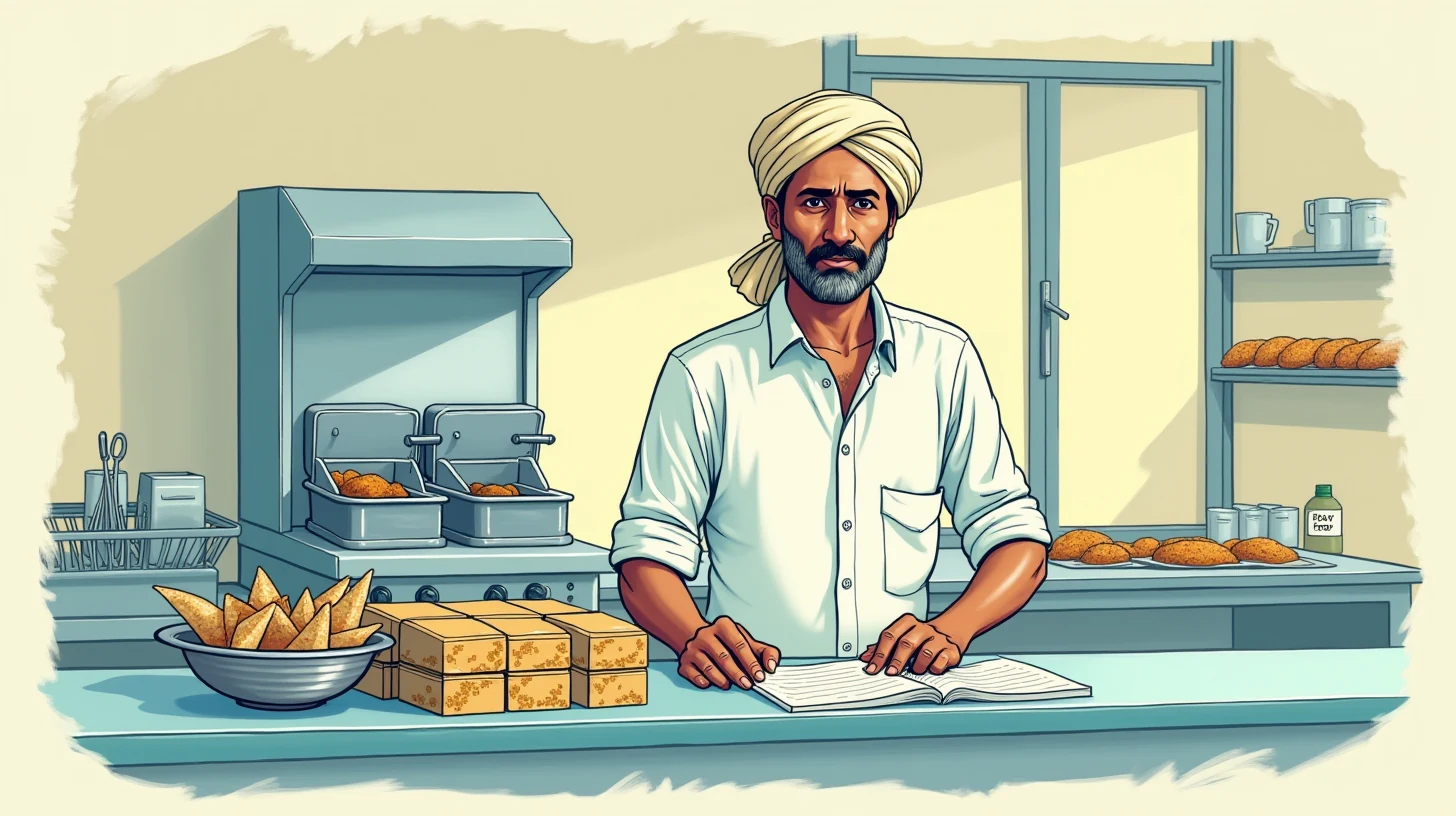
🥘 Hemang, 58, makes fafda, dhokla, and packaged khakhra from a shop on Manek Chowk in Ahmedabad. For nineteen years, he sold loose snacks from the counter (cash basis, 0% GST). Five years ago, he started packaging khakhra branded in his name (5% GST). Then ready-to-eat vacuum-sealed dhokla in plastic containers (should be 12% GST). For two years, he filed all three products at 5% GST. A random audit in 2025 detected the mismatch. Demand notice: ₹6.8 lakh (shortfall + interest + penalties). 📋
🚨 The problem
GST rates on food items depend on packaging, branding, and preparation state—not on the food itself. Loose farsan (basic foodstuff) is 0%. Branded packaged farsan is 5% (branding adds value). Ready-to-eat cooked food is 12% (prepared meals). Small food makers often file one GST return per quarter using one rate for all products, unaware that each category has a different rate. When the audit discovers the mismatch years later, the shortfall + 18% annual interest + 50% penalty creates a demand that exceeds the shop's annual profit. Hemang's ₹6.8 lakh demand would take three months of continuous sales to earn.
🚀 How GabFORGE helped
Hemang's accountant suggested GabFORGE's food-business module. The agent mapped each product (loose farsan, packaged khakhra, ready-to-eat dhokla) to GST Council rate notifications and cross-referenced against his actual turnover.
- 🔍 Identified the rate mismatch. Loose farsan should be 0% (not 5%). Ready-to-eat dhokla should be 12% (not 5%). Packaged khakhra at 5% was correct.
- 📋 Calculated the precise shortfall. Showed the exact breakdown: ₹1.2 lakh shortfall on loose farsan, ₹1.6 lakh mismatch on ready-to-eat, ₹0.9 lakh interest, ₹1.2 lakh penalty. Hemang's actual liability: ₹4.9 lakh after removing the ready-to-eat overcollection credit.
- 📞 Structured the appeal. Agent drafted an appeal to the GST Appellate Authority emphasizing lack of intent to evade (he had paid and filed, just at wrong rates). Appeal cited good faith, consistent filing, and ignorance of rate distinctions. Prepared supporting documents.
Appeal filed. ✅ Appellate Authority accepted the appeal. Penalty reduced by 40%. Adjusted demand: ₹3.2 lakh. Hemang paid via MUDRA Kishore loan (₹2 lakh at 8% over 3 years + personal funds).
🇮🇳 Why this matters
India's GST rate structure for food is granular but opaque. The rules exist in Council rate notifications, not in business registration documents. A small food maker learns their rate only if they hire an accountant or face an audit. When the mismatch surfaces, the taxpayer bears the full burden: shortfall, interest compounded at 18%, and penalties at 50%. The agent surfaces the rate distinctions and structures the appeal, translating opaque tax rules into actionable clarity.
The long version has Hemang making three products from one shop, his wife Geeta's question "but we paid the tax," the moment he read ₹6.8 lakh on the notice, and the appeal process that transformed a crisis into a manageable correction.