
His Zomato rating dropped from 4.6 to 4.1 in one weekend. Orders halved in eight days.
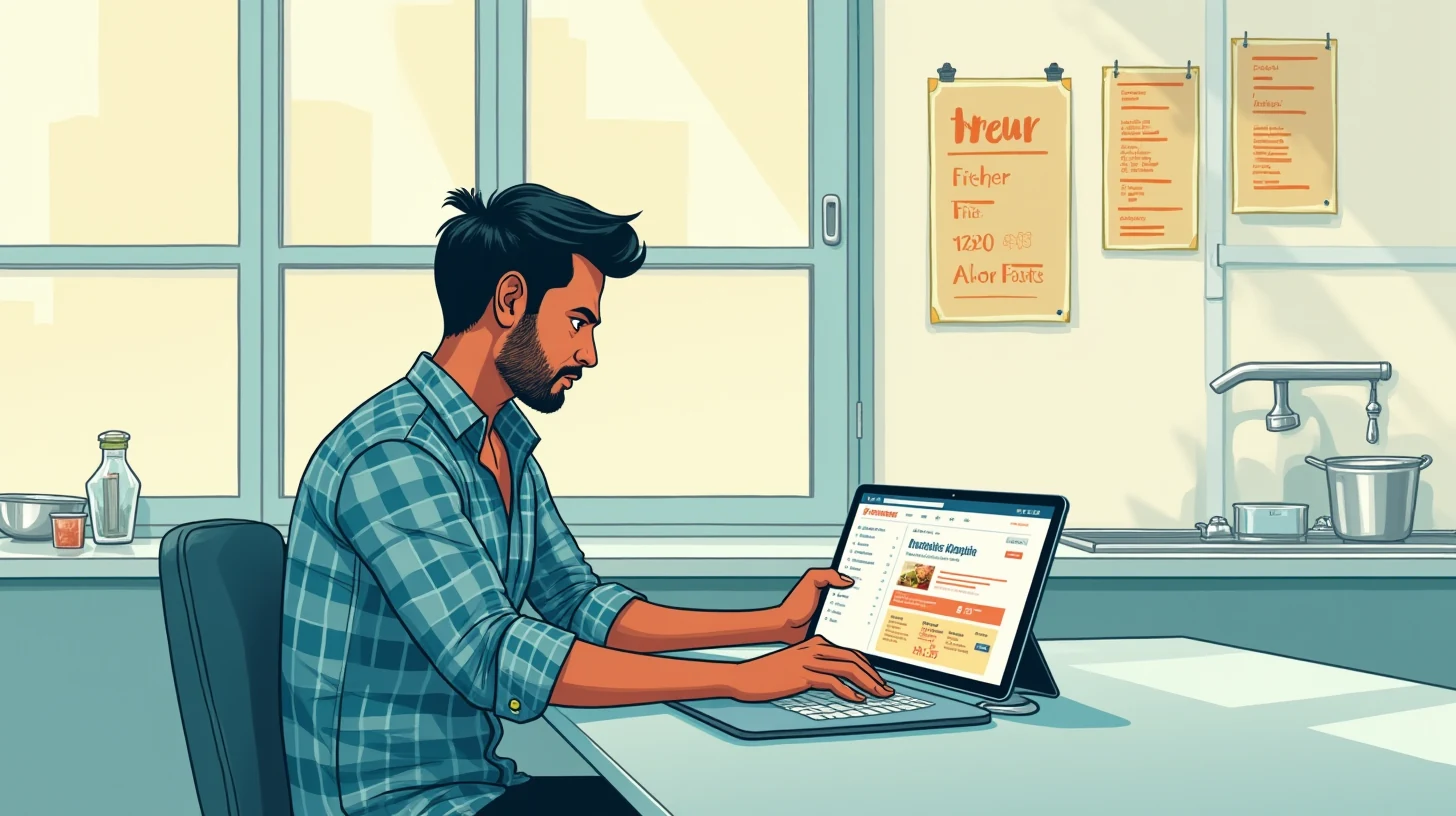
📱 Nikhil, 31, quit software engineering to run a cloud kitchen in Bengaluru's HSR Layout, operating three brands on aggregator platforms: "Daily," "Spice," and "Lite." In April 2025, his "Daily" brand's Zomato rating dropped from 4.6 to 4.1 in a single weekend—traced to coordinated fake reviews from a competitor. Within eight days, orders halved across all three brands (they share the same kitchen). Zomato offered no appeal mechanism. No contact for fake-review removal. His ₹8 lakh monthly revenue collapsed. 📊
🚨 The problem
Aggregator platform ratings drive demand for food businesses. A single weekend of fake reviews (1–2 star attacks) can drop a 4.6-star rating to 4.1-star within hours. The algorithm deprioritizes lower-rated restaurants in search results, cascading the damage. Small operators have no appeal mechanism. Platform policies state "reviews will be investigated within 30 days," but 30 days of deprioritization can kill a month's revenue. Larger restaurants have legal teams and brand protection. Cloud kitchens with thin margins face existential threats from coordinated review attacks with no visibility or recourse.
🚀 How GabFORGE helped
A mentor suggested Nikhil file complaints through multiple agencies simultaneously: MSME Udyam, FSSAI, and consumer authorities. The agent drafted the paperwork:
- 🔍 Identified the fake-review pattern. Agent analyzed Nikhil's review history and flagged 23 new 1-star reviews posted within 6 hours, all with nearly identical complaint language ("soggy rice," "cold food," "terrible service"), all from new review accounts with no order history.
- 📋 Structured multi-agency complaints. Filed under MSMED Act (unfair business practice by aggregator), FSSAI (grievance-redressal provision for food businesses), and consumer protection authority (algorithmic suppression). Each filing cross-referenced the others.
- 📞 Documented algorithmic harm. Agent collected traffic logs showing search-ranking drops corresponding to rating decline, proving the cascade from fake reviews → deprioritization → collapsed demand.
Within 12 days, Zomato's trust & safety team contacted Nikhil, removed the 23 fake reviews, and restored his rating to 4.5 (one legitimate negative review remained). ✅ Orders resumed. Revenue recovered within two weeks.
🇮🇳 Why this matters
Cloud kitchens and small restaurants depend entirely on aggregator ratings. Fake-review attacks are becoming competitive weapons. Platforms lack transparent appeal mechanisms for small operators. Filing complaints through multiple agencies (MSMED, FSSAI, consumer authority) in parallel creates legal and PR pressure that a single platform escalation cannot. The agent translates algorithmic harm into documented evidence across regulatory frameworks, forcing platform response.
The long version has Nikhil's software-engineering background giving him the instinct to analyze the attack pattern, the competitor running three copycat brands on the same platforms, and the moment Zomato called acknowledging the fake reviews.