
The nutrition scheme blocked by a centre with "no capacity"
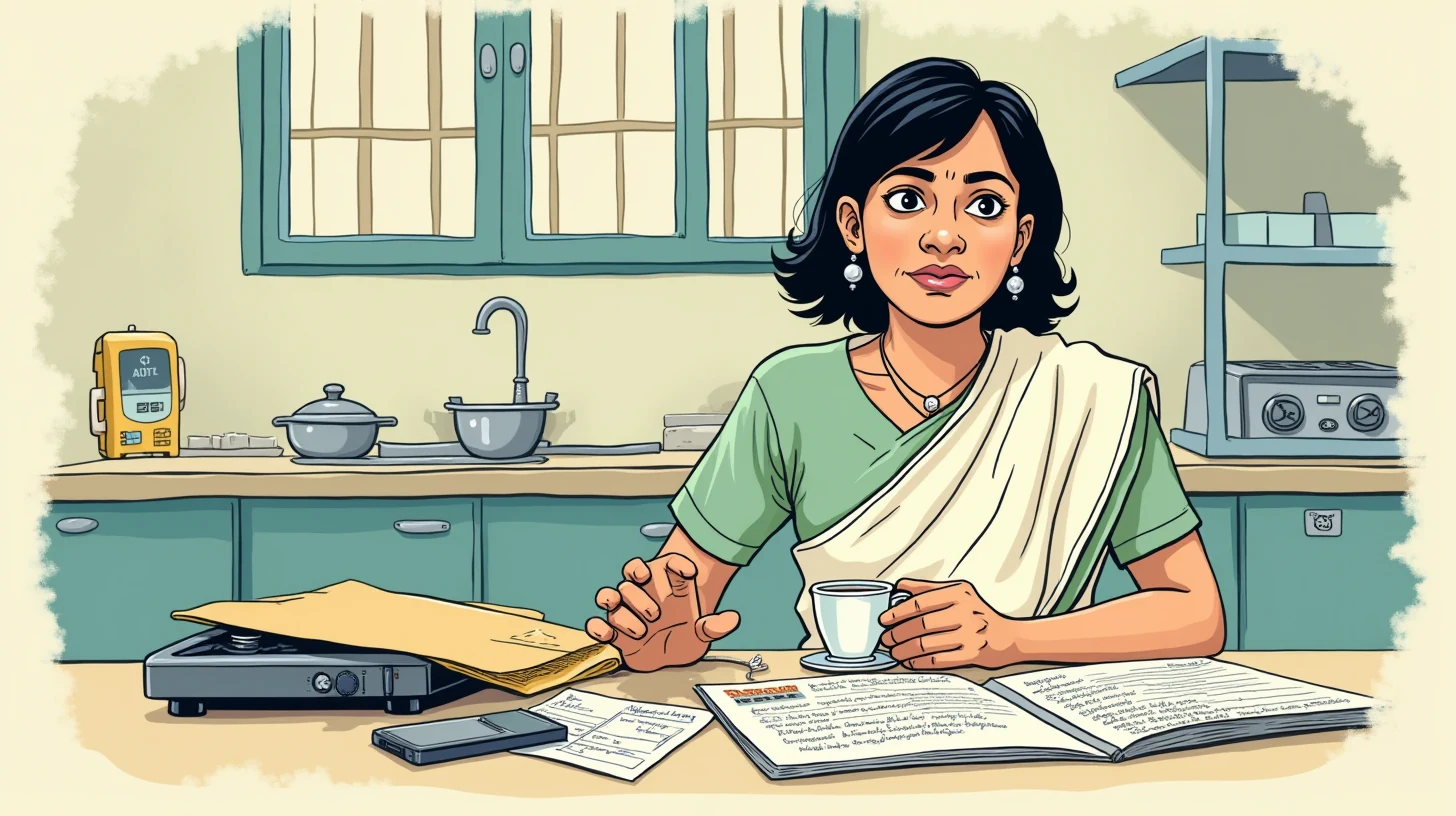
👩 Sonia Sharma, 32, in Rohini Sector 7, Delhi, wanted to enrol her 2.5-year-old son, Arjun, in the Anganwadi's Take-Home Ration (THR) programme under Mission POSHAN 2.0. The programme provides monthly nutrition packets—fortified flour, oil, micronutrient supplements—designed for children under six. Arjun was underweight. The nutritional support would help. But when Sonia visited her local Anganwadi centre, the worker said: "We have no capacity right now. Our centre is full. Come back next month." Next month, the answer was the same.
🚨 The problem
Anganwadi centres operate under real capacity constraints—limited space, staffing, and commodity allocation. But these constraints are invisible to beneficiaries. There is no published queue, no waiting list, and no way to know when "next month" might actually open. Meanwhile, a child's nutritional window is passing.
🚀 How GabFORGE helped
GabFORGE discovered that Delhi had a self-service POSHAN 2.0 enrollment portal that bypassed Anganwadi capacity gatekeeping. It then helped Sonia navigate the technical barrier:
- 🌐 Found the direct enrollment portal. Delhi's Women and Child Development Department had launched a self-service POSHAN 2.0 portal; citizens could enroll without visiting the Anganwadi centre.
- 👶 Identified the birth-certificate blocker. The portal required an Aadhaar-linked birth certificate. Delhi's online portal had issued a birth certificate, but Aadhaar linking was still pending.
- 📋 Obtained an offline certificate. Guided Sonia to the local Municipal Corporation office to request a printed birth certificate (same-day issuance); this offline certificate could be uploaded to the POSHAN portal immediately.
- ✅ Completed the enrollment. Sonia enrolled Arjun directly on the POSHAN portal using the printed certificate within 24 hours.
Arjun's THR packets began arriving at their home address within two weeks. ✅
🇮🇳 Why this matters
When a centre says "no capacity," beneficiaries assume they're blocked. GabFORGE reveals that parallel entry points often exist—self-service portals that don't depend on frontline gatekeeping. The technical barriers (like Aadhaar linking) can often be worked around with offline alternatives.
The long version has Sonia's repeated visits to the Anganwadi, the moment she discovered the self-service portal, and how an offline birth certificate solved what two months of "no capacity" couldn't.