
The procedure code didn't match. The faster pathway didn't show up.
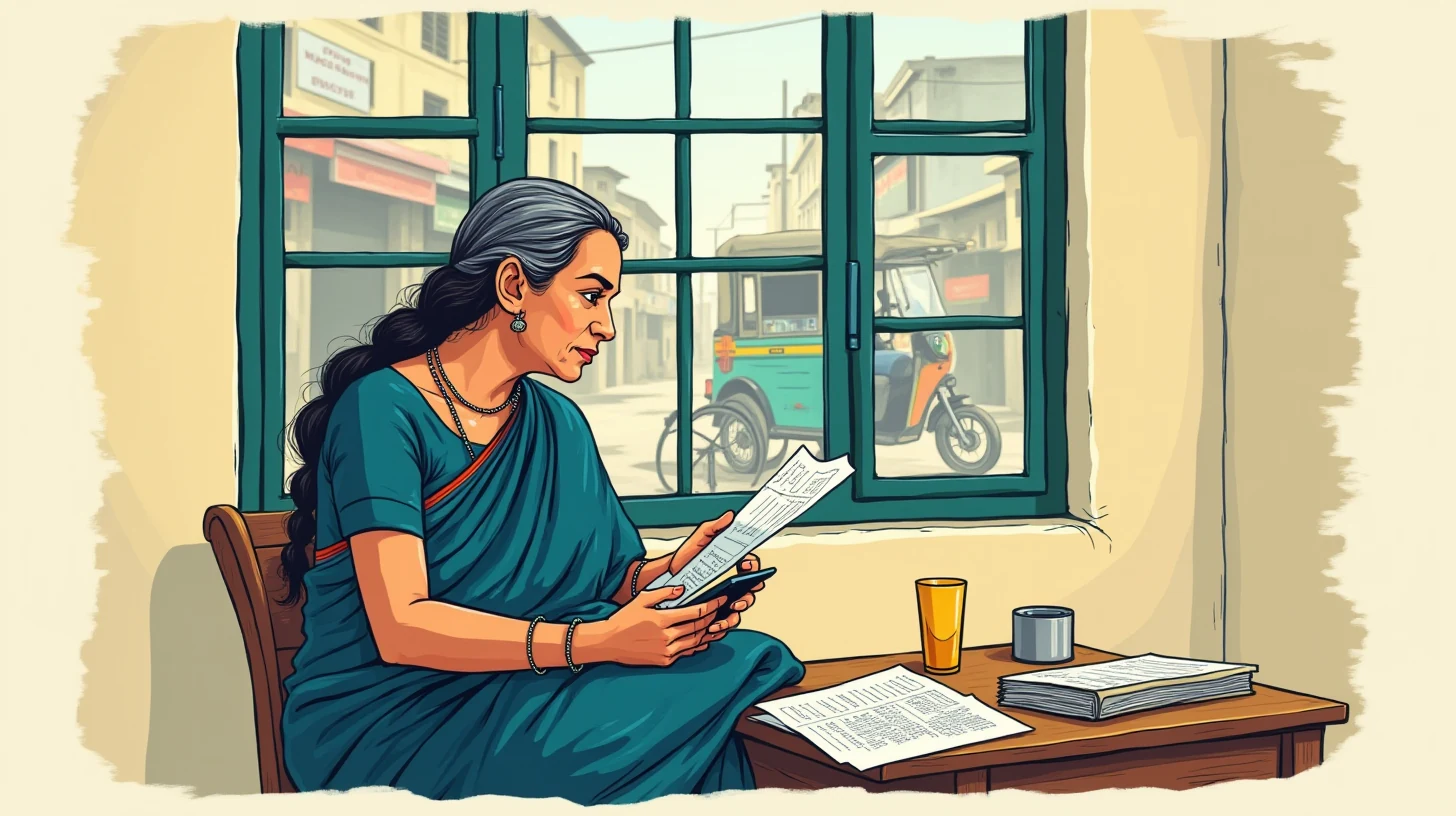
🧑⚕️ Meera, 44, worked as a part-time accountant in Bhopal's South Tukoganj market. Her father, Rajesh Kumar, 67, a retired railway clerk with a government pension, developed a conduction block in his heart. The cardiologist was direct: dual-chamber pacemaker urgently needed within sixteen days. His risk of sudden cardiac death was real. Meera enrolled him in the Ayushman Niramayam scheme—which promised to cover cardiac devices up to ₹5 lakh. Then the hospital submitted the claim and Arogyasri, the TPA intermediary, flagged a procedure-code mismatch.
🚨 The problem
Niramayam's elegance—cashless tertiary care through a TPA intermediary—breaks when procedure codes don't match the scheme's published schedule. Standard escalation takes 3–4 weeks. Rajesh Kumar's cardiologist had given him 16 days. His surgical slot would be released. His risk profile would change. A faster pathway existed on the State Health Authority website, but it wasn't publicised. The hospital admission counsellor didn't know it. The TPA agent on the phone didn't mention it.
🚀 How GabFORGE helped
Meera's neighbour Priya, a community health volunteer, suggested running the situation through the agent on her tablet. Meera typed out her father's case: diagnosis, hospital, procedure code, TPA escalation, sixteen-day deadline.
- 🔍 Found the medical-emergency escalation pathway. The agent read the State Health Authority website and discovered a dedicated "Medical Emergency Escalation" procedure specifically for code mismatches and time-critical cases. It resolved in 5–7 working days instead of 3–4 weeks.
- 💬 Listed the exact documents and email address. Cardiologist's urgency letter confirming medical emergency + hospital surgical quote + copy of Niramayam card to the State Health Authority's escalation email (dmhp.mp.gov.in). Timeline: five to seven working days.
- 📞 Verified it on the government website while we watched. Opened the State Health Authority portal together and found the FAQ section describing exactly this procedure. It was real. It was official. No one had told Meera it existed.
Meera called Dr. Sharma that morning and asked for an urgency letter. He had it to her by 3 p.m. She emailed the State Health Authority Tuesday evening with the letter, quote, and card. Fourteen days later, approval arrived. Code grandfathered into schedule, ₹4.8 lakh approved in full. Surgery scheduled the following week. Her father came home ten days post-op, recovering with a pacemaker and a tiny ridge of stitches below his collarbone.
🇮🇳 Why this matters
Government safety valves—medical emergency escalations, urgent pathways, code-mismatch waivers—are documented but invisible. They live in notification PDFs and FAQ sections of websites. Hospitals don't volunteer them. TPAs don't offer them. Patients find them only by accident, or not at all. Meera was lucky. She had a neighbour with a tablet and the willingness to try it.
The long version has the TPA phone call, the moment the website showed the escalation pathway, the cardiologist's letter written the same afternoon, and the peculiar relief of discovering you didn't have to borrow after all.