
The slot released at 7 AM. It was gone by 7:01.
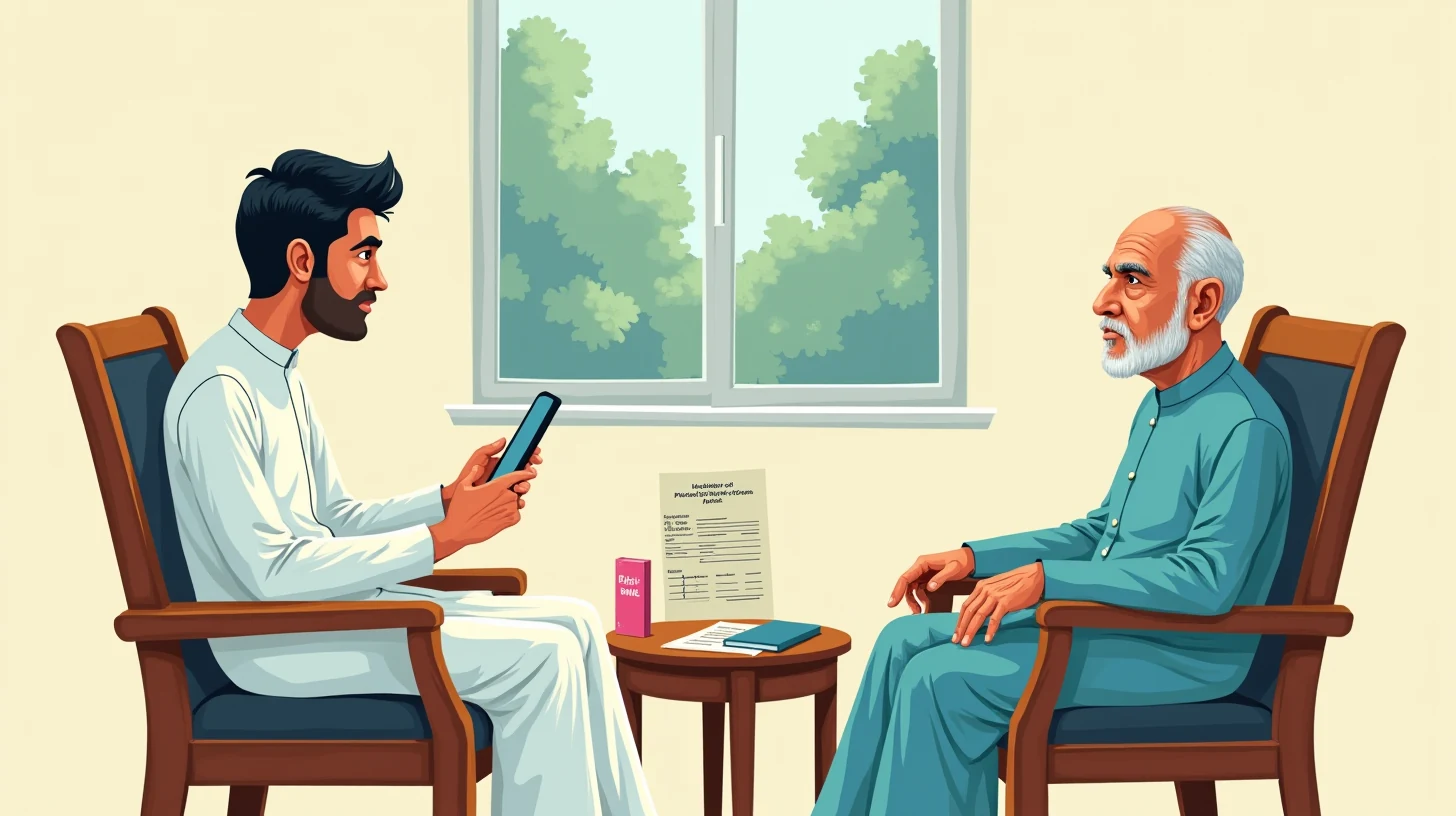
🧑⚕️ Ravi, 38, is a senior systems analyst at an IT consultancy in Mohali. His retired-aeronautical-engineer father, Rajesh, 76, was diagnosed with Parkinson's disease in October. The neurologist prescribed Carbidopa-Levodopa and sent him to PGIMER—the regional tertiary neurology centre in Chandigarh. The telemedicine portal released 14 appointments every Monday at 7:00 AM for consultations the following week. Ravi secured one slot in November. For the next four months, every Monday at 6:55 AM, he opened the portal on his phone and watched the clock. At 7:00 AM sharp, he clicked. Every time, all 14 slots were gone within 90 seconds.
🚨 The problem
Portal-based appointment systems assume agile internet users in real time. PGIMER's slots fill within 90-120 seconds. Rajesh, 76, doesn't use email or web browsers. His wife doesn't trust messaging apps. Ravi became the family's slot-monitor, clicking at exactly 7:00 AM every Monday. A six-week follow-up window slipped into eight weeks. A new tremor appeared in Rajesh's right hand. No one knew if it was expected progression or required urgent attention. He stopped model-building—fine motor work became impossible. He spent afternoons organizing his workshop, quieter than before.
🚀 How GabFORGE helped
Ravi's sister in Delhi, who used GabFORGE to help her mother-in-law read government letters, called one evening in February and asked: "Can the agent monitor the portal for you?" She visited Ravi's house the following Saturday and showed him how to set up automated alerts.
- 🔍 Monitored the portal every Monday at 7:00 AM. The agent refreshed the PGIMER page exactly at slot-release time and sent Ravi an instant notification the moment a Neurology slot appeared—before they filled.
- 💬 Notified the family, not just Ravi. Instead of Ravi being the only gateway, the agent also sent Rajesh's wife a simple message: "Slot available. Rajesh should click confirm." She could respond to a direct question.
- 📞 Secured the first Monday slot of March. On March 3rd, a 9:00 AM Neurology slot appeared. Ravi was notified immediately. The slot was booked before it filled. Dr. Kavya Malhotra reviewed the new tremor in his right hand—expected progression, the medication adjustment was working, continue current dose, follow-up in three months.
Rajesh went back to model-building. The tremor was manageable. The appointment anxiety dissolved.
🇮🇳 Why this matters
Specialist appointments in India's public health system are genuinely scarce and genuinely needed. But access gates—portal speed, click-at-7-AM-sharp, no phone-booking option, no voice interface—exclude the exact people most likely to need the care: elderly patients whose families work full-time and can't spend Monday mornings refreshing a portal in real time.
The long version has the Monday-morning ritual, the 90-second fill time that became impossible, the moment Rajesh stopped building his models, the sister's call from Delhi, and the simple notification that changed a four-month wait into one.