
The ₹10,000 scheme payment frozen by a closed service centre
👩 Mamata Mishra, 42, lives in Patia, Bhubaneswar. She had received the first installment of ₹5,000 from Odisha's Subhadra Yojana in September 2025—money she'd been counting on for household supplies and repairs. The scheme promised a second installment of ₹5,000 in March. In mid-March, she went to her nearest Mo Sebakendra (Odisha's state service centre) to collect the payment, only to find a sign: "Closed for Renovation. Reopening April 15th." The helpline she called ran her through a 45-minute hold before disconnecting.
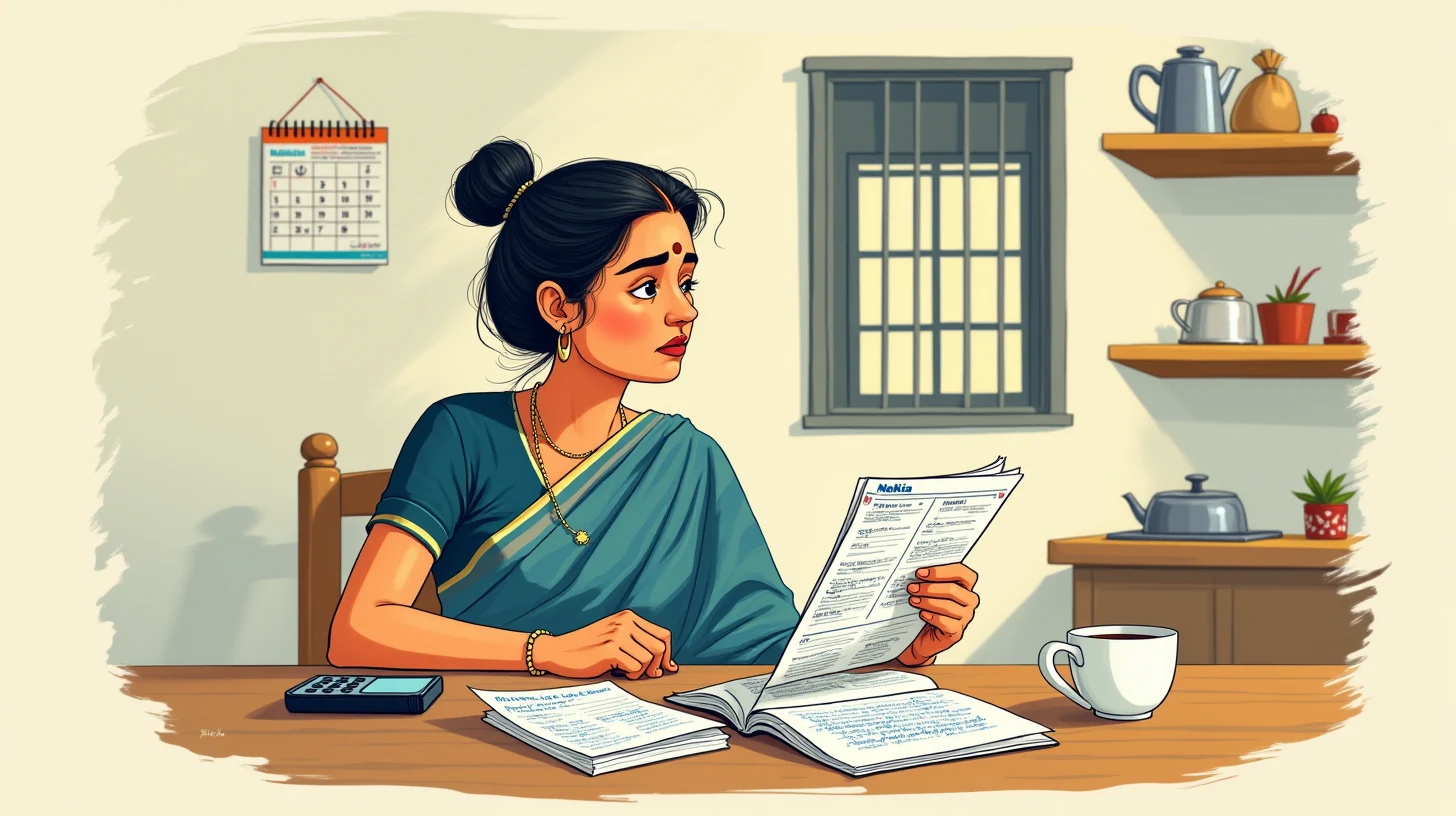
🚨 The problem
Direct benefit transfers in India increasingly depend on physical service centres or Aadhaar-linked bank accounts. When a centre closes unexpectedly, beneficiaries with bank accounts may be unaffected, but those relying on offline payment points are left in limbo. There is no alternate venue listed, no notification sent in advance, and the state helpline is often overwhelmed.
🚀 How GabFORGE helped
GabFORGE checked the Odisha Treasury portal on Mamata's behalf and found her payment status: the March installment had been "processed and released" on March 15th. The payment was not held at the state level—the Mo Sebakendra closure was a local issue, not a scheme issue. GabFORGE then navigated her to three options:
- 🏦 Direct bank account check. Mamata confirmed her bank account details with the Subhadra portal; if she's been issued a bank account, the ₹5,000 should have been credited directly.
- 🏢 Alternate service centre. GabFORGE located three other Mo Sebakendra outlets in Bhubaneswar within a 5 km radius; Mamata could collect payment from any of them with her receipt and Aadhaar.
- 📞 Escalated complaint. Filed a formal complaint with the Odisha Social Security Department documenting the service centre closure without advance notice.
Mamata collected her ₹5,000 from an alternate Mo Sebakendra within 48 hours. ✅
🇮🇳 Why this matters
When infrastructure closes, beneficiaries shouldn't have to know the workarounds. GabFORGE surfaces that the payment exists (in the state system) and shows the alternate collection points, turning a frustration into a 15-minute trip instead of a multi-call odyssey.
The long version has Mamata's call to the helpline, the discovery that the payment had been processed, and the quiet relief when she realized the money wasn't lost—just temporarily unreachable.