
The ration card that broke when she needed it most
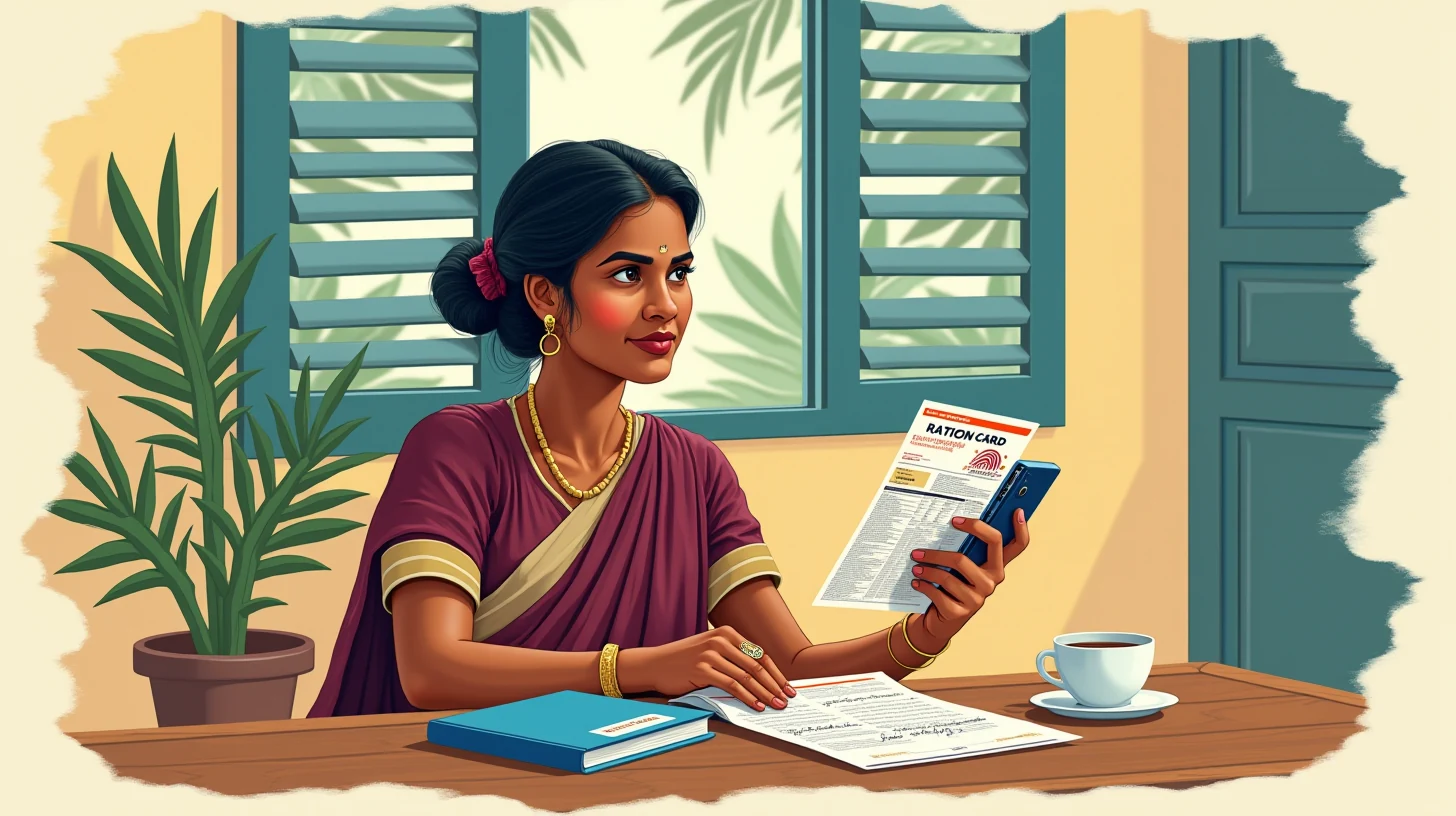
👩 Khadeeja Beegum, 36, in Kavaratti, Lakshadweep, needed to travel to Kochi, Kerala for her son's three-month cancer treatment at a government hospital. She held a Lakshadweep ration card entitling her family to monthly food grains and essentials. The One Nation One Ration Card (ONORC) scheme promised she could use her card at Kerala PDS shops. But before she left, she needed to register at a Kochi PDS shop's biometric ePoS (electronic Point of Sale) machine. When she visited the local Kochi PDS shop, the biometric device was broken—no spare parts, awaiting repair, timeline unclear. Without the registration, her Lakshadweep card couldn't be recognized by Kerala's PDS system.
🚨 The problem
ONORC portability depends on functioning biometric infrastructure. When equipment breaks, beneficiaries can be locked out of rations in a different state, even though their eligibility is valid. There is no manual workaround, no temporary authorization process, and beneficiaries bear the consequence of infrastructure failure.
🚀 How GabFORGE helped
GabFORGE escalated the equipment failure and found both an interim solution and a longer-term fix:
- 🔧 Escalated the device failure. Contacted Kerala PDS district office reporting the broken biometric device at Khadeeja's nearest PDS shop and requesting urgent repair or temporary manual processing.
- 📞 Requested emergency portability authorization. Contacted Lakshadweep Public Distribution Department requesting temporary ONORC authorization for Khadeeja while the Kochi device was non-functional.
- 📋 Documented her medical urgency. Provided hospital appointment letters and treatment timeline to justify emergency ration access without biometric registration.
- ✅ Obtained manual authorization. The Lakshadweep department issued a temporary letter authorizing manual ration disbursement at Kerala PDS shops for 90 days, citing medical circumstances.
Khadeeja was able to collect monthly rations at the Kochi PDS shop using the letter (no biometric needed) while her son received treatment. The device was repaired after 6 weeks; she re-registered biometrically for the remainder of her stay. ✅
🇮🇳 Why this matters
Infrastructure failure shouldn't be a beneficiary's problem. When biometric devices break, manual or emergency pathways should exist. GabFORGE surfaces that state departments can issue temporary authorizations—you just need to ask the right office.
The long version has Khadeeja's discovery that the device was broken, her calls to find who could fix it, and how a temporary authorization letter from a thousand kilometers away let her feed her family while her son was in the hospital.