
Quick read: The Chennai Carnatic creator and the Bollywood copyright strike
For eight years, Shreya used the YouTube dispute interface's "fair use" option to fight T-Series Content ID claims on her Carnatic arrangements of Hindi film songs. In March 2026, her third rejected dispute became Strike 3. Her ₹28,000/month AdSense income stopped. With one strike remaining before permanent channel termination, she stopped filing — and finally asked the right question.
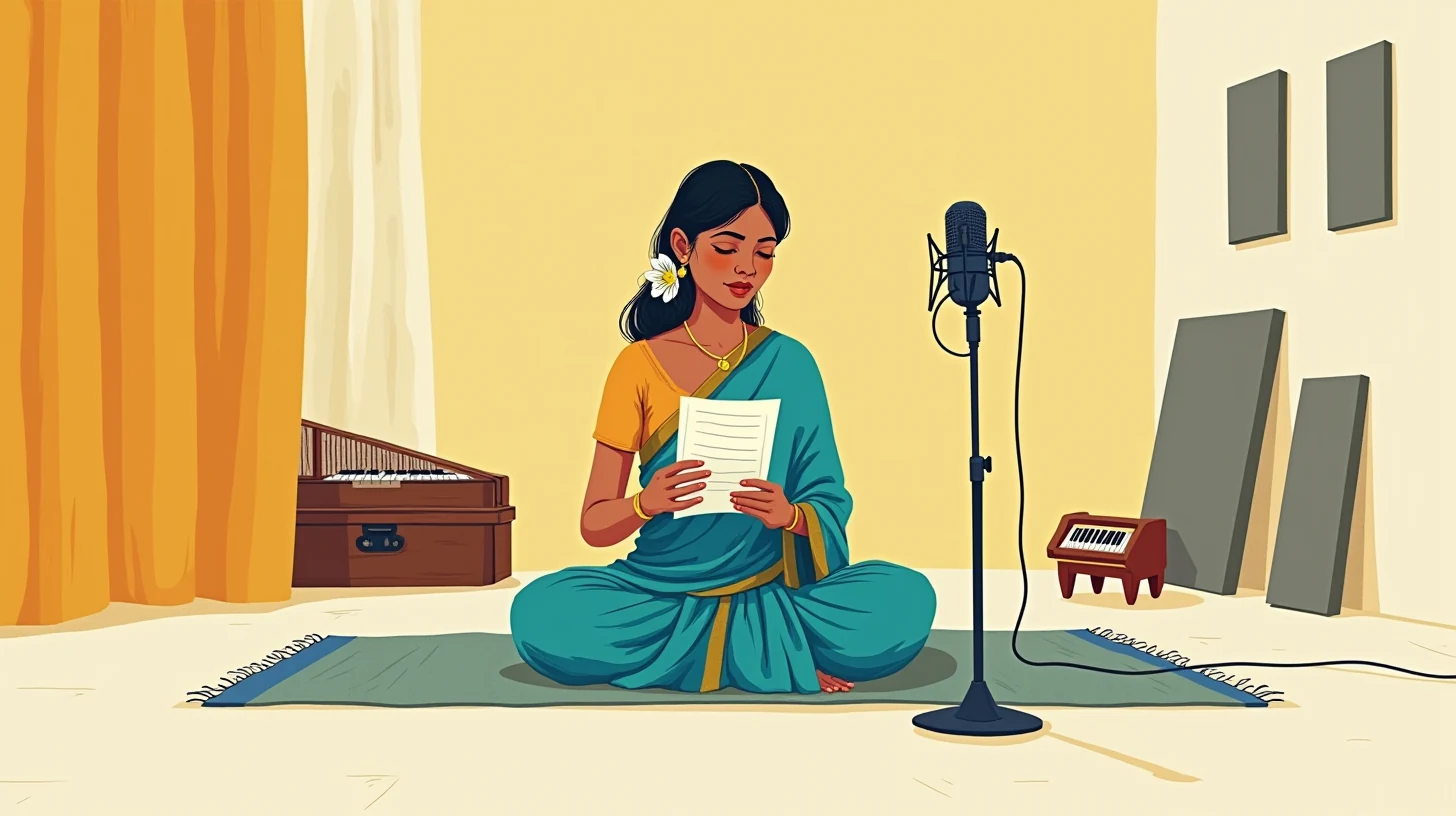
🎤 Shreya, 29, Carnatic creator — Mylapore, Chennai
Trained since age 7. Two junior performances at the Madras Music Academy Margazhi season. Eight years of Carnatic-style covers — "Yashomati Maiyya," "Tu Hi Re," "Lag Ja Gale" — on a channel of 2.2 lakh subscribers. The format: full classical Carnatic arrangements of Bollywood compositions, with raga, tala, and gamaka intact, no original recording used.
🚨 The problem
Three automated Content ID claims from T-Series and Saregama. Each time Shreya disputed on Section 52 "transformative" grounds — the US fair-use standard — the rights holder rejected it. Under Indian Copyright Act Section 52(1)(j), fair dealing does not clearly cover commercial online distribution. Each rejected dispute became a copyright strike. Three strikes: full channel demonetized. Four strikes: permanent deletion of all 83 videos and 2.2 lakh subscribers.
She was using the wrong law. Section 52 is not the instrument for Indian cover creators. Section 31D is.
🚀 How GabFORGE helped
A friend typed the situation into the agent on a Sunday afternoon. Three things immediately became clear:
- Claim vs. strike distinction: A Content ID claim (monetization loss only) and a copyright strike (channel termination risk) are legally different. Shreya's dispute filings had been converting claims into strikes — the opposite of what she intended.
- Section 31D statutory licence: Introduced by the 2012 Copyright Act amendment, Section 31D gives internet broadcasters a statutory right to cover versions of compositions at a prescribed royalty rate (₹50 per hundred streams, per the IPAB 2010 notification) — without needing the rights holder's permission. The rights holder cannot refuse; they can only enforce the rate.
- IPRS vs. PPL split: T-Series's claim was a master recording claim (PPL territory). Shreya had created a new master — she had not copied T-Series's recording. The IPRS licence covers the underlying composition. Understanding the split showed the claim was disputable on grounds she had never articulated.
Total statutory royalty obligation for 4.2 lakh lifetime streams across three disputed videos: approximately ₹2,100.
✅ IPRS licence application submitted. Advance royalty calculated and set aside. Music lawyer in Alwarpet reviewed the dispute letter. T-Series dispute filed correctly for the first time. Channel remains demonetized pending resolution — but Strike 4 has not arrived.
🇮🇳 Why this matters
There are thousands of Indian cover-channel creators — Carnatic, Hindustani, folk-film fusion — filing Section 52 disputes that Indian courts would not uphold, generating strikes in the process, and losing years of work to a mechanism they never understood. Section 31D was written in 2012 specifically to protect them. The IPAB royalty rate is public. IPRS's portal exists. None of this was hidden — it simply lived in a statute that no YouTube help page explained.