
Quick read: Kochi Ayurveda beauty creator and the Drugs and Magic Remedies Act
A brand brief landed in Devika's inbox in December 2024. A Kerala Ayurvedic hair-oil brand, ₹1.4 lakh for two Reels and one YouTube video, with a script that included a single line she should have stopped at: "21 ദിവസം ഉള്ളിൽ മുടി വളർച്ച കാണാം" — hair regrowth visible within 21 days. The video went live in January 2025. By March, she had two show-cause notices and no lawyer.
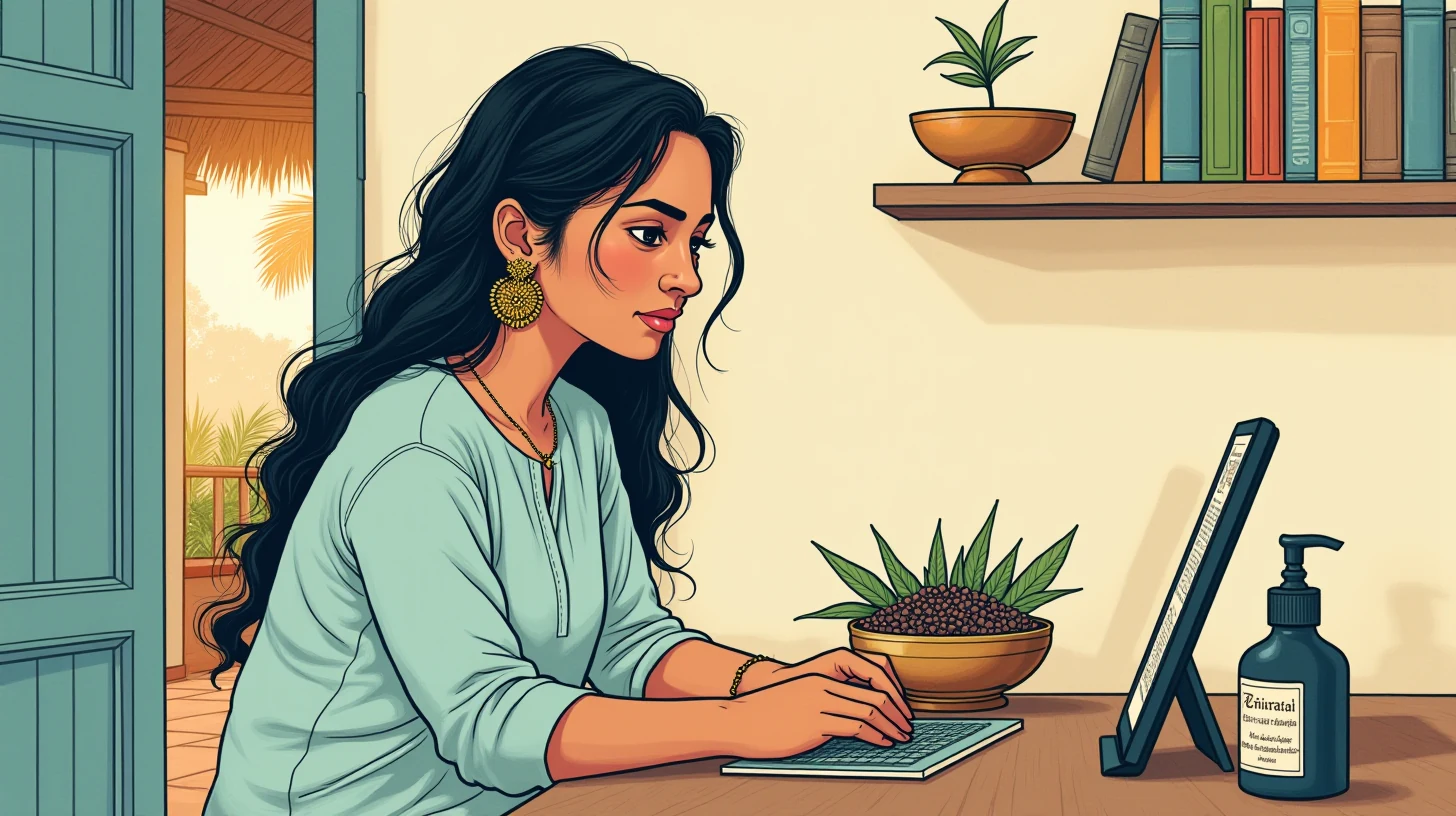
🌿 Devika, 26 — Ayurveda beauty creator, Thrippunithura, Ernakulam
Daughter of a retired Ayurvedic vaidyar. Grew up between a coconut-wood kitchen and a shelf of her father's handwritten formulation notebooks. Built 3.2 lakh Instagram followers on Malayalam-language DIY skin and hair tutorials — amla masks, bringaraj oil, neem formulations from the family kitchen. The collab was her largest paid deal yet.
🚨 The problem
The "21-day regrowth" claim violated two regulatory frameworks simultaneously:
- ASCI Code 2024 — mandatory disclosure must appear in the first line of caption text, clearly labelled "Paid Partnership" or "Ad," including in video audio. Devika's disclosure was buried in hashtag seven.
- Drugs and Magic Remedies (Objectionable Advertisements) Act, 1954, Section 3 — prohibits any advertisement claiming a product can cure, treat, or reverse a condition listed in the Schedule. The Schedule explicitly includes alopecia, hair fall, and premature baldness (per a 2019 notification). A "regrowth in 21 days" claim is a prohibited therapeutic claim, not a permitted testimonial — regardless of whether the product is Ayurvedic.
The brand dropped the collab, withheld ₹70,000 of the fee, and advised removal of all content. Two other brands paused negotiations. Devika had seven days to respond to the MIB notice and no legal framework for the reply.
🚀 How GabFORGE helped
- Decoded the DMR Act in Malayalam — flagged which specific language in the script triggered Section 3's Schedule, and explained the difference between a permitted lifestyle claim ("nourishes the scalp") and a prohibited therapeutic claim ("regrows hair in 21 days") in terms she could apply to every future brief.
- Mapped the three regulatory tracks — ASCI, MIB, and the Kerala state Drug Controller were running parallel processes with different timelines and different response requirements; the agent outlined what each required in plain, actionable Malayalam, which Devika's cousin — a junior advocate at a Kochi law firm — then reviewed.
- Structured the MIB representation — identified the three components a compliant response needed: confirmation of voluntary removal, evidence that the claim originated in the brand's script, and a forward-looking disclosure undertaking. Filed on day six of seven.
✅ ASCI complaint closed May 2025. MIB representation acknowledged. Kerala Drug Controller track dissolved when the brand settled separately. No escalation to criminal proceedings.
🇮🇳 Why this matters
There are an estimated eight to ten lakh Indian creators earning meaningful brand-collab income. Almost none of them know the DMR Act exists, let alone that its Schedule covers hair fall and alopecia. The gap is not carelessness — the Act was written in 1954 for patent-medicine hawkers, and its application to Instagram Reels in Malayalam was simply invisible until the notices started arriving. The shift from a permitted claim to a prohibited one is often a single phrase in a brand-provided script. Catching that phrase before filming costs nothing. Missing it costs a show-cause notice, a withheld fee, and seven sleepless nights.