
Three strikes, one IPRS notice, ₹85,000 demanded — and how it became ₹41,500
A brown registered envelope with the IPRS letterhead. ₹85,000 demanded. A Section 63 criminal referral on the table if she didn't pay within thirty days. And a YouTube channel — three years, four hundred and twelve videos, seven lakh followers — already demonetised.
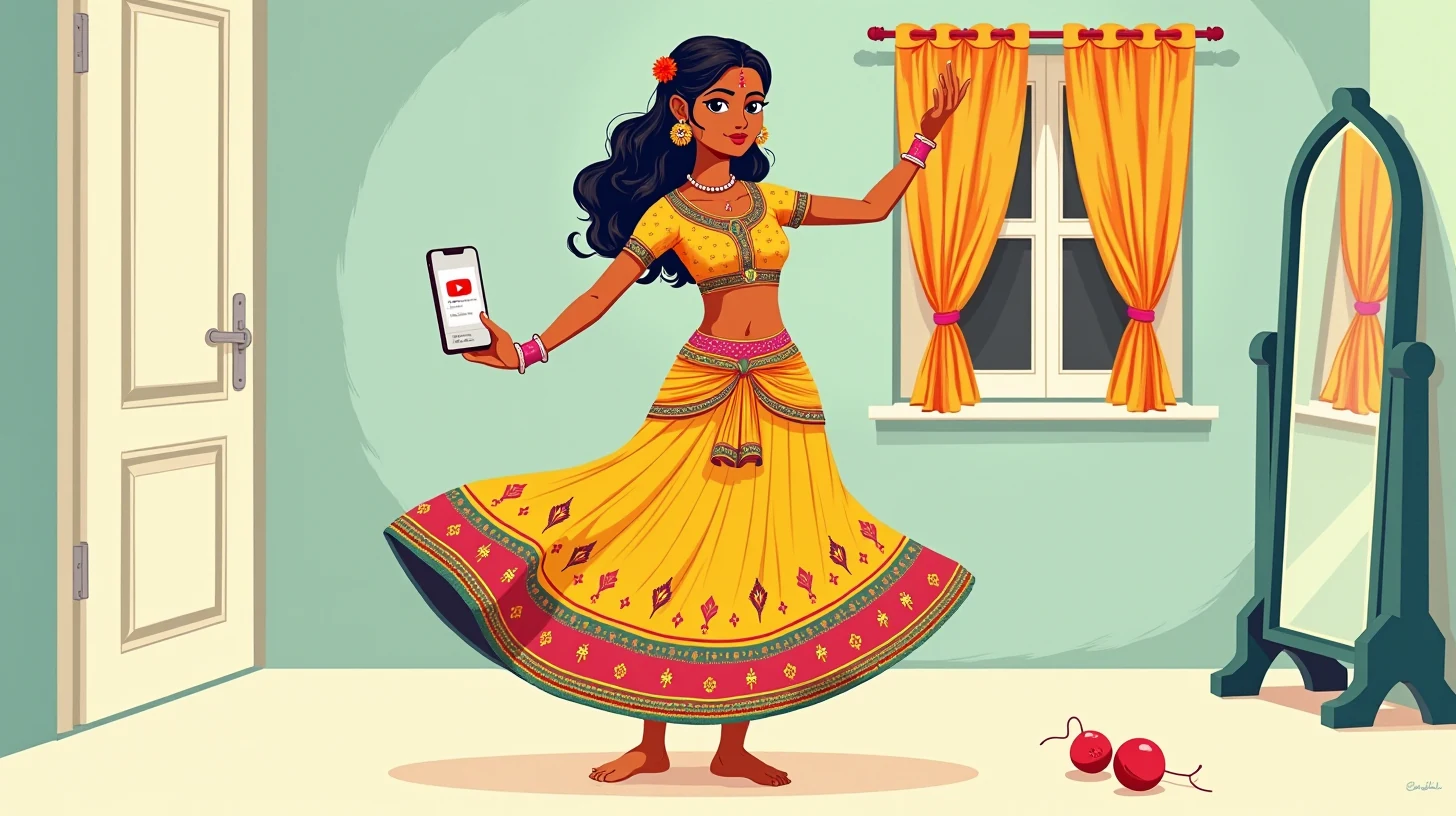
💃 Anjali, 27, Bhojpuri wedding-song choreographer in Kankarbagh, Patna. Seven lakh Instagram followers, 320k YouTube Shorts. Four years of bridal sangeet reels with her partner Pooja, filmed in a practice room with orange floral curtains that the afternoon sun turns gold.
🚨 The problem
T-Series Bhojpuri filed a commercial-use complaint against Anjali's three highest-performing videos. Three manual copyright strikes arrived in thirty-one days. Channel demonetised February 12th. A week later, IPRS sent a registered notice: ₹85,000 in backdated performance royalties under Section 33A of the Copyright Act 1957, calculated across three quarters of monetised content. Two brand partnerships paused. Monthly income fell from ₹1.3 lakh to ₹28,000.
🚀 How GabFORGE helped
- Caught the tariff error. IPRS applied its rate to gross ad revenue. The published IPRS Tariff Schedule specifies net revenue after the platform's 45% cut. At Anjali's actual figures: ₹31,200, not ₹75,000. Demand overstated by ₹41,200.
- Found the appeal ground for Strike 1. The Content ID claim predated the manual strike by four months — duplicative enforcement. YouTube reversed Strike 1 eleven days after appeal.
- Named the PPL India Online Creator Licence. ₹12,000/year flat-rate, covering master-recording use for channels below ₹5 lakh annual revenue. Neither Anjali nor Aman had known it existed.
IPRS revised the demand to ₹41,500. Both remaining strikes aged out on May 3rd. Channel re-monetised May 5th.
🇮🇳 Why this matters
Forty to sixty thousand Bhojpuri-language creators post dance covers using original studio recordings. Almost none of them have heard of PPL India or the IPRS Tariff Schedule. The licences exist. The tariff is public. The appeal window is documented. The gap is not information — it is assembly.